

« Réduire les émissions liées à la déforestation et à la dégradation des forêts ». Ce mécanisme REDD+ imaginé par la Banque mondiale est très critiqué. D’autant…

RECENT ARTICLES
U.N. climate projects in Congo leave locals worse off – report
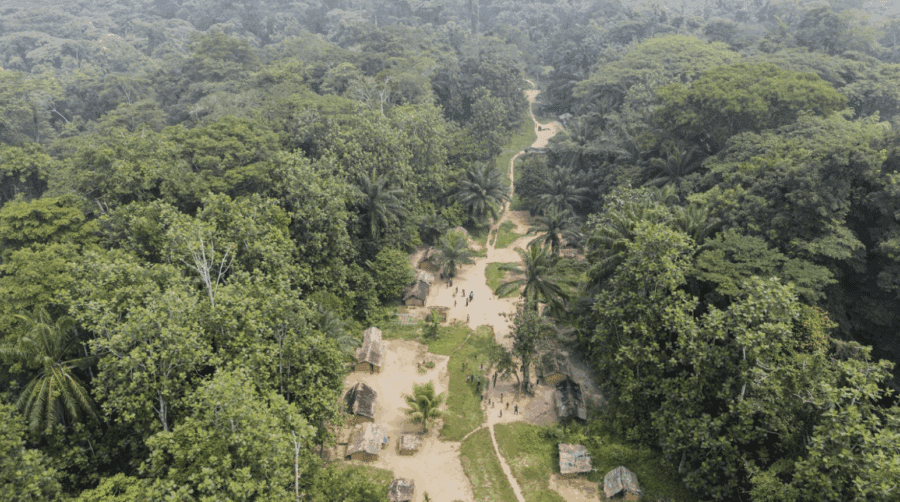
A large-scale United Nations programme to halt deforestation in the Democratic Republic of Congo, home to the world’s second-largest rainforest, is harming local communities and failing to protect forests, land rights researchers said on Wednesday. The U.S.-based group Rights and Resources Initiative (RRI) called on the World Bank to withhold funding from 20 current or pending projects in the province of Mai-Ndombe, which has been a test case for a U.N.-backed conservation scheme known as REDD+.
UN forest project ‘does more harm than good’
The harm a UN forest project in Africa is doing to local people is greater than the good it is managing to achieve for them, researchers say. They say they have found significant flaws in conservation projects in a densely-forested region of the Democratic Republic of the Congo (DRC), where a decision on future investment by the World Bank’s Forest Carbon Partnership Facility(FCPF) is imminent.
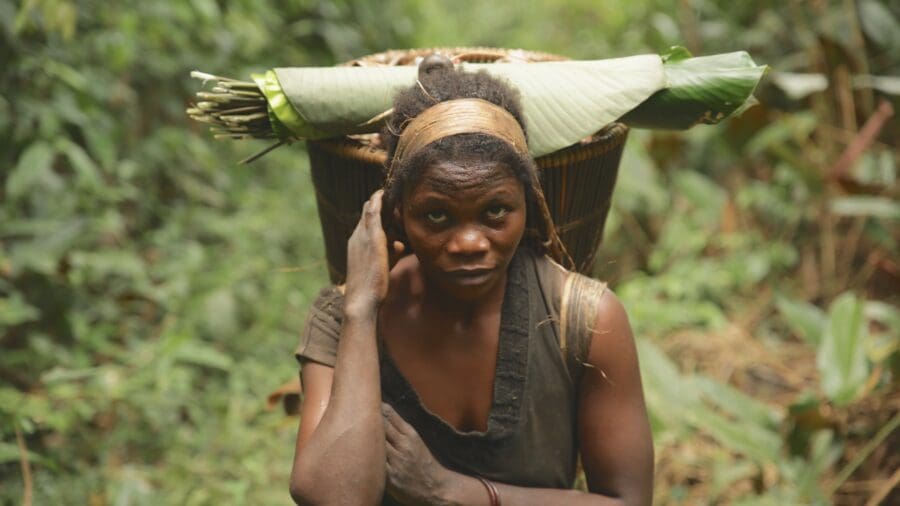
New Reports: International Efforts to Stop Deforestation Threaten Indigenous Peoples & Local Communities that Protect Tropical Forests and Vital Stores of Carbon
In a new study released today, researchers say they have identified significant flaws in ambitious forest preservation projects underway in a densely-forested region of the Democratic Republic of the Congo (DRC), where a decision on future investment by the World Bank’s Forest Carbon Partnership Facility (FCPF) is imminent. The DRC province of Mai-Ndombe has been a testing ground for international climate schemes designed to halt forest destruction while benefiting indigenous and other local peoples who depend on forests for their food and incomes, with US$90 million already dispersed or committed for climate finance in the province.
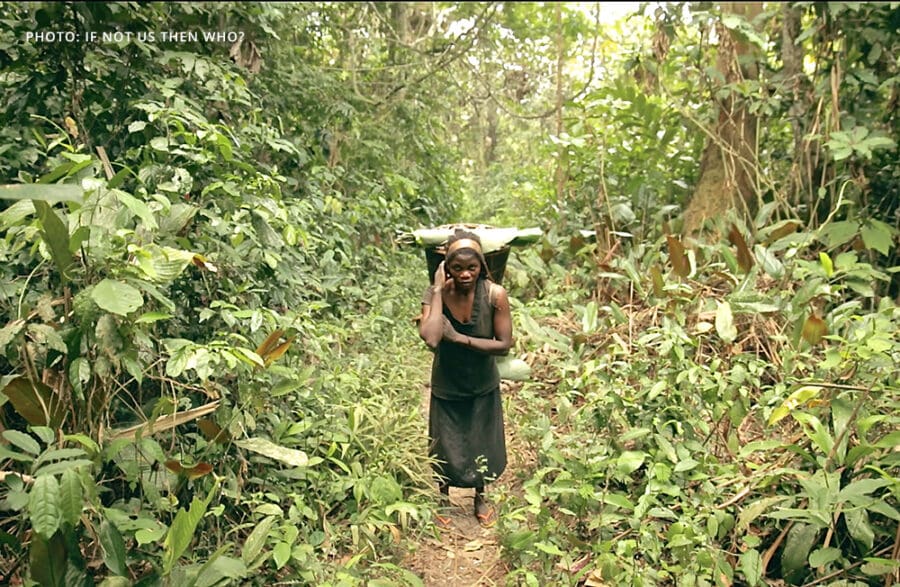
New reports: Secure land and carbon rights for Indigenous Peoples and local communities are vital to REDD+ success
A new analysis of the Democratic Republic of Congo’s Mai-Ndombe province finds REDD+ investments in the region are moving forward without clear recognition of the land rights of Indigenous Peoples and local communities. The findings come at a crucial time, as a decision on future investment by the World Bank’s Forest Carbon Partnership Facility is imminent.
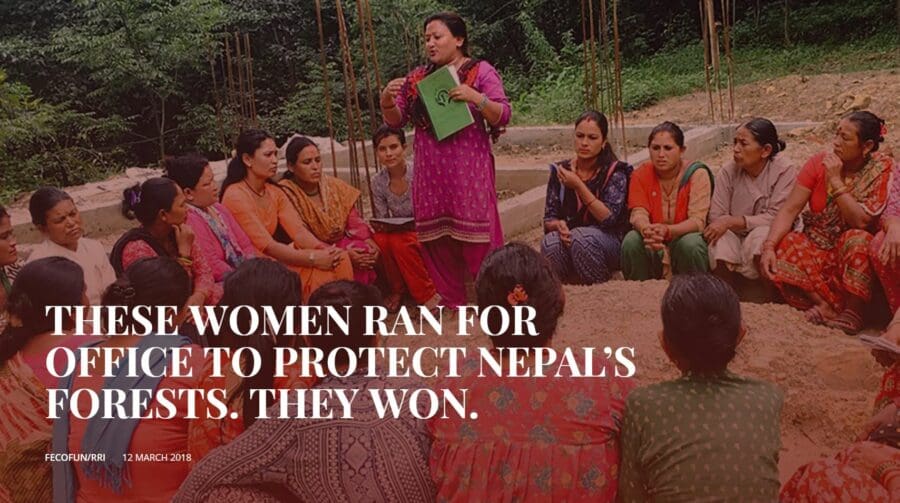
Photo Essay: These women ran for office to protect Nepal’s forests. They won.
As Nepal wrote a new constitution and laid out guidelines for three tiers of elections, community forest users worried that the new government would leave little room for the voices of traditionally marginalized groups, like rural women and Dalits, a historically persecuted community in Nepal and India. The power to sit at the bargaining table and make important policy decisions, they agreed, had to come from adequate representation, particularly at the local government level.
That’s why women leaders and activists at a civil society organization called FECOFUN decided to run for office.
To improve land rights in Ghana, start with women
If you talk to anybody in the land sector in Ghana, they say they are interested in protecting women and protecting their rights, but the structures in place – especially customary systems – make it challenging for women to defend their rights. It’s not that the law itself defines a different set of rights for men than for women, but the problem is in the way the law is interpreted and applied.
Weah’s promised land: Liberia confronts age-old disputes
Given that the 1989-2003 civil wars were in part driven by disputes over land and resources, observers are worried what the future holds as a UN peacekeeping mission prepares to leave Liberia in March.
The right way to save India’s forests
The Compensatory Afforestation Fund Act (CAF Act), 2016 has raised serious concerns about the human and environmental costs of compensatory afforestation (CA). Mounting evidence establishes that CA plantations destroy natural forests, harm biodiversity, undermine the rights and nutrition of local communities, and disguise rampant misuse of public funds.
Have Companies Really Done Enough to Bring An End To Deforestation?
Lien De Brouckere, Deputy Director of the Africa Region for the Rights and Resources Initiative, says that accountability is one of the main challenges for the initiatives she works with, which largely involve protecting African forests from deforestation by palm oil growers.
Combining traditional knowledge with science for climate adaptation
Indigenous communities hold a wealth of knowledge about their local environment, which – if properly documented and shared – has potential to enhance scientific efforts to mitigate the impacts of climate change.

Photo Essay: Protecting the Forests, Protecting Dragon’s Blood
Indonesia faces a deforestation crisis: an estimated 55 percent of forests located in concession areas were lost over a period of 15 years (2000-2015), with an estimated total loss of more than 6.7 million hectares within and outside of concession areas. The country has been losing its forests at a rapid rate for decades, and in turn, adat and local communities’ livelihoods are under threat, and the wildlife and plant diversity in their traditional territories is being lost….
View the full photo essay here.
The Most Read Stories
Subscribe to the Gender Justice Digest
to receive new articles directly in your inbox
Subscribe Now!