

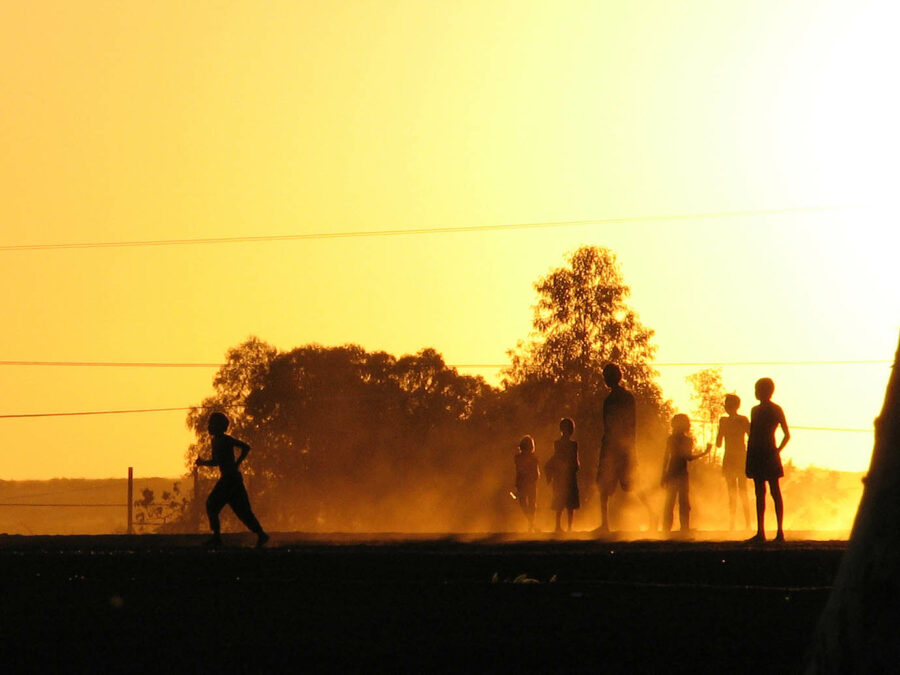
We asked six experts about the biggest opportunities, moments, and potential catalysts for change they see for community land rights in 2018. Here’s what they had to say.

RECENT ARTICLES
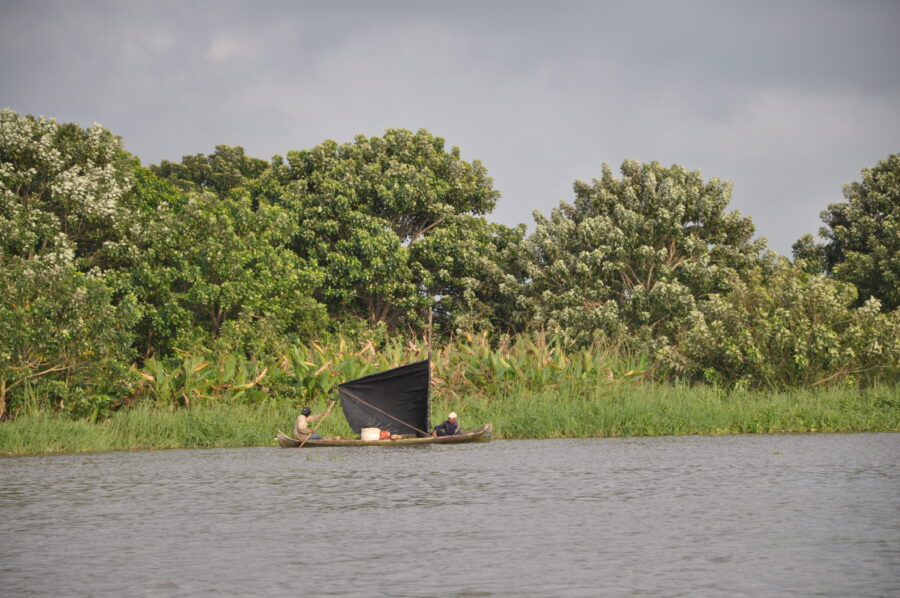
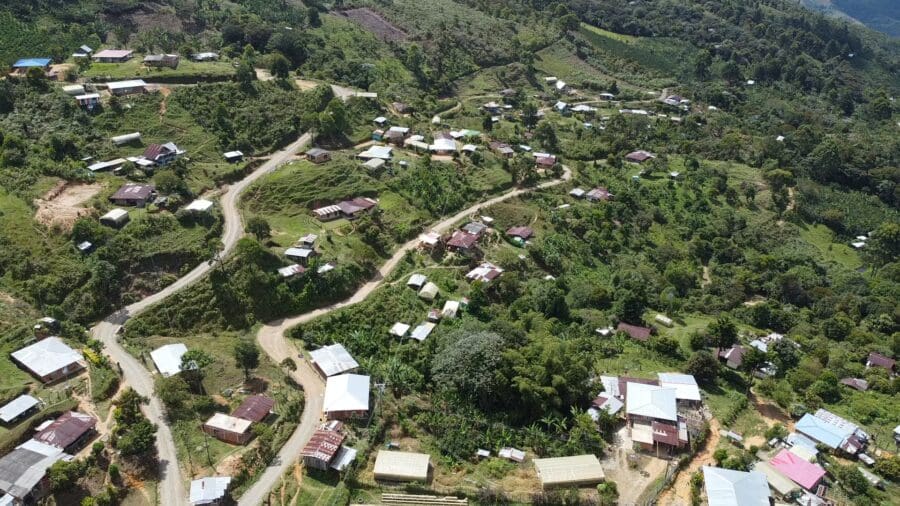
New data highlight Afro-descendant territories without legal recognition, and the threats they face
New data gathered from Afro-descendant community councils and state records reveal that the Colombian government has failed to address 271 claims for collective Afro-descendant land rights—threatening cultural and environmental sustainability, the rights of Afro-descendant community territories as established by Law 70 of 1993, and the successful implementation of the peace accords. Although all 271 communities have submitted formal applications for collective land titles, the government has largely delayed recognition of their claims—in some cases for over a decade.

Lessons on forest governance and REDD+: Learning from regional convening in Africa
There is a real need for community forestry to contribute to reducing emissions while securing immediate community benefits such as livelihoods diversification, climate change adaptation, and employment. These benefits can only become a reality if community tenure, and not simply access and benefits, is secured.
Rainforests: the year in review 2017
Between America’s abandonment of leadership on conservation and environmental policy, Brazil’s backtracking on forest conservation, massive forest fires worldwide, and the revelation of a sharp increase in global forest loss in 2016, 2017 was a rough year for tropical rainforests. Still, there were bright spots, including the establishment of new protected areas, better forest monitoring and research, and continued progress in recognizing the critical role local and indigenous communities play in forest conservation.
A new forest economy
On November 17, the forest department of Odisha gave in to the demands of tribal communities from six villages of Kalahandi district. The communities wanted to sell the tendu leaves they had collected from the Bhawanipatna forest division to traders of their choice, but it took them six months of protests and several memorandums to make the forest department budge. Traditionally, the Odisha Forest Development Corporation would buy the leaves from them. This year the corporation was offering the communities Rs 2.40 for a bundle of 60 leaves but direct sale to traders fetched them Rs 7.50.
Braiding Science Together with Indigenous Knowledge
As the negative consequences of human-induced environmental and social changes are becoming increasingly obvious, there is a growing recognition that “status quo” approaches to resource…
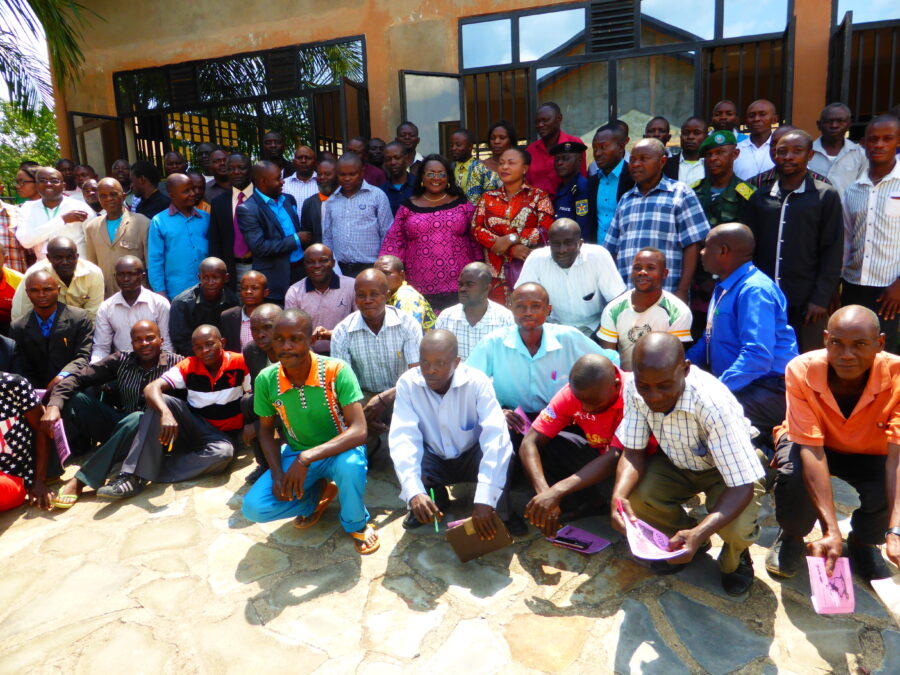
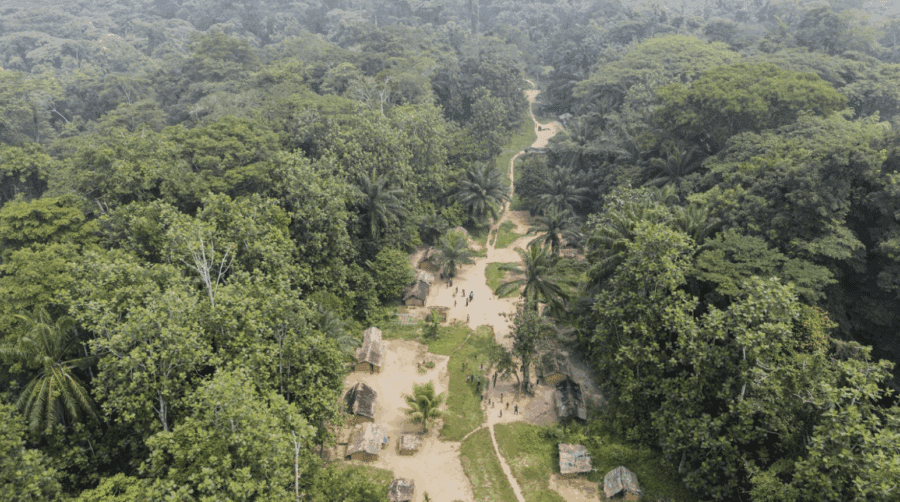
An unprecedented community forestry initiative in DRC
Indigenous and community organizations often find that progressive laws on land tenure do not always translate into progress on the ground. Even in the Democratic Republic of Congo (DRC), where forestry laws allow for community ownership and management of land, there are major obstacles hindering the realization of customary forestry rights.
Strengthening community forest rights – a key front in the battle against climate change
Indigenous peoples and other local communities play a vital role when it comes to mitigating the impact of climate change. But despite inhabiting 50 per cent of the world’s land, these communities legally own just 10 per cent of it. As a result, civil society groups are calling on governments around the world to scale up the protection of customary land rights.
For Indigenous Communities, The Fight Against Climate Change Is a Fight For Human Rights
For two decades, indigenous peoples have engaged with the UN climate talks, pointing out that the world’s climate mitigation strategies have omitted their knowledge systems and, in some instances, actively harmed and displaced their communities. This year, indigenous representatives managed to make important strides, including gaining approval of a platform that finally opens the door for their active participation in global climate negotiations.
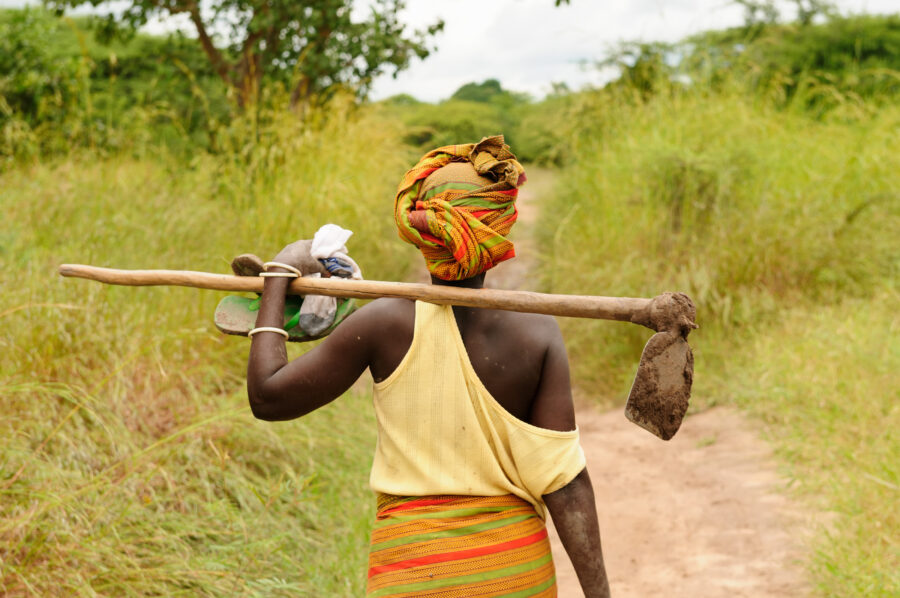
Indigenous Peoples, communities, and women achieve historic gains at COP23—but governments still have work to do
The creation of platforms to acknowledge and address the role of Indigenous Peoples, local communities, and rural women may represent a crucial step toward addressing the disparity between the lands Indigenous Peoples and communities protect and depend on and the legal recognition of their rights. These communities will have a formal platform at future climate talks to exchange knowledge, influence policy, and press for recognition of their rights before world leaders.
$6.5bn afforestation fund pits forest officials against tribals yet again
Testimonies of affected tribespeople and activists point to a conspiracy that forest departments are using afforestation as a tool to exert control over forest lands traditionally used by tribespeople.
New wildlife plan backs Adivasi rights in tiger reserves despite environment ministry stalling them
The National Wildlife Action Plan released by India’s environment ministry has asked for the speedy recognition of the forest rights of communities living inside tiger reserves, months after the ministry itself stalled the process.
The Most Read Stories


Subscribe to the Gender Justice Digest
to receive new articles directly in your inbox
Subscribe Now!