

The RRI is a global network advocating for the land and forest rights of Indigenous peoples and local communities. As the RRI’s coordinator, Andy White travels the world, meeting with Indigenous and community leaders, governments and civil society organizations to discuss how local communities’ rights to the forest can be advanced. Here, as part of an ongoing review of community rights to forested lands and key conditions for success led by Tropenbos International, he talks about recent progress and challenges and the role that civil society organizations can play to help people claim their rights as a step toward locally-led sustainable development.
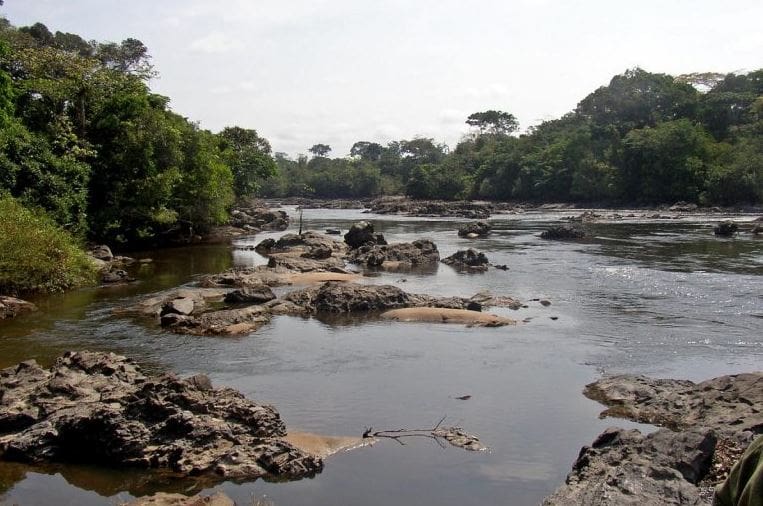
“They started the project by taking away communities’ land without their consent, using intimidation and all kinds of misplaced government power to evict them from their own customary land,” said Kipalu, who now works for the Rights and Resources Initiative in Washington, D.C.

Recognition of the role local and indigenous communities have in stewarding forests continued to grow in 2018. More reports and studies argued that securing indigenous peoples’ land rights is one of the most cost-effective mechanisms for protecting forests and mitigating climate change. Accordingly, philanthropic attention and dollars shifted toward such efforts, including a pledge by group of 17 philanthropic foundations at the Global Climate Action Summit to support recognition of indigenous peoples’ and traditional communities’ collective land rights and resource management as part of their land-based climate change mitigation programs. A study co-authored by UN Special Rapporteur on the rights of indigenous peoples and the Rights and Resources Initiative (RRI) even put a dollar figure on the labor and cash indigenous peoples invest in forest conservation efforts, estimating the annual contributions of such “Forest Guardians” at $1.7 billion.

Indigenous people in Ecuador say their territorial rights are being systematically violated, according to a top United Nations official. Victoria Tauli-Corpuz, the U.N.’s special rapporteur on the rights of indigenous peoples, is urging the Ecuadoran government to form a “truly plurinational and multicultural society” in accordance with its constitution and international law.
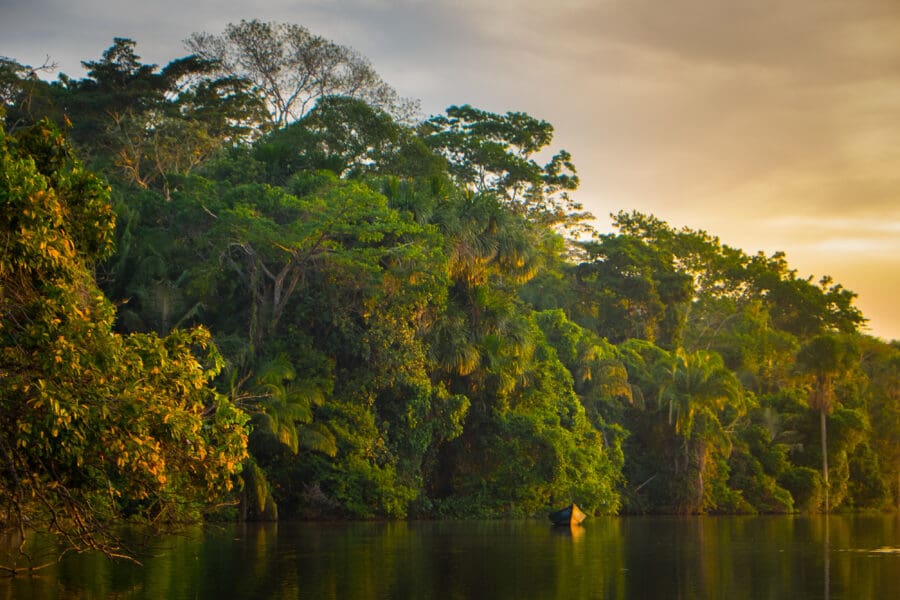
As world leaders gather in Poland this week to hold a critical dialogue on the UN Framework Convention on Climate Change (UNFCCC), the world’s tropical forests ought to take center stage. The ambitious pledge of the Paris Agreement will be virtually unattainable if the world’s remaining tropical forests are not safeguarded.
On September 19, Liberian President George Manneh Weah signed into law the Land Rights Bill (LRB), a landmark piece of legislation that recognizes the rights of Indigenous Peoples and local communities to their customary lands and gives customary land the same standing as private land in Liberia. This historic victory sets a precedent for land rights recognition in West Africa and can serve as a model for the region and beyond.

The world is turning its eyes toward Colombia as the new president, Iván Duque, takes office. Rights groups and peace activists are calling on the government to ensure that both the peace process and the country’s social leaders are protected.

Recent research by the Rights and Resources Initiative demonstrated that the DRC’s first REDD+ initiatives in Mai-Ndombe province do not adequately respect the rights of local peoples. What is more, they are actually failing to protect their forests.
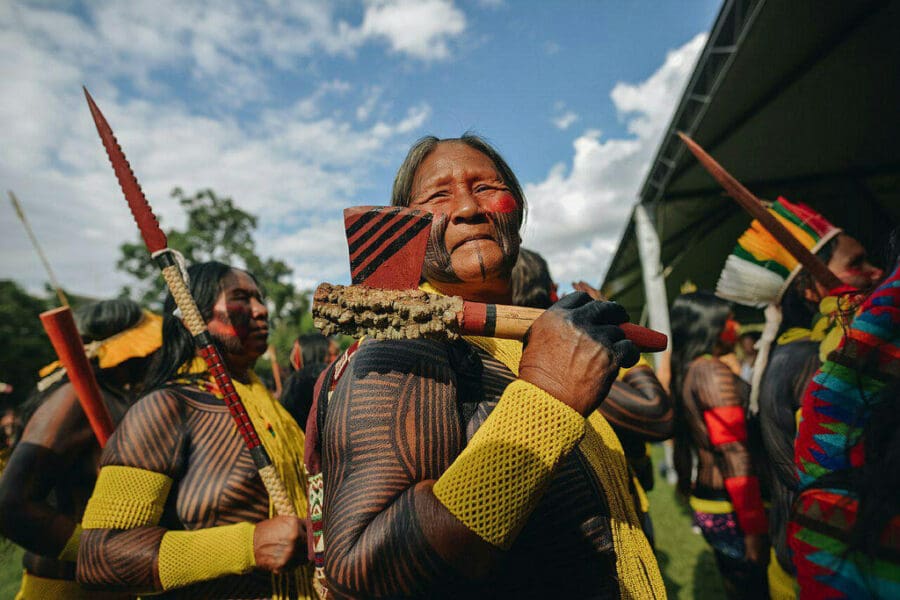
The 15th Free Land Camp (Terra Livre, or ATL for its Portuguese acronym) brought 3,000 Indigenous Peoples and their allies together from all regions of the country at a massive encampment in Brasilia to call for justice for indigenous communities. Participants used the gathering—one of the largest ever—to create and present a unified political agenda before the Brazilian government.
Civil society organizations and communities affected by oil palm concessions across Liberia have grouped themselves in addressing urgent issues in the oil palm sector, demanding more access to mechanisms that can make concessionaires more accountable in line with laws and regulations.
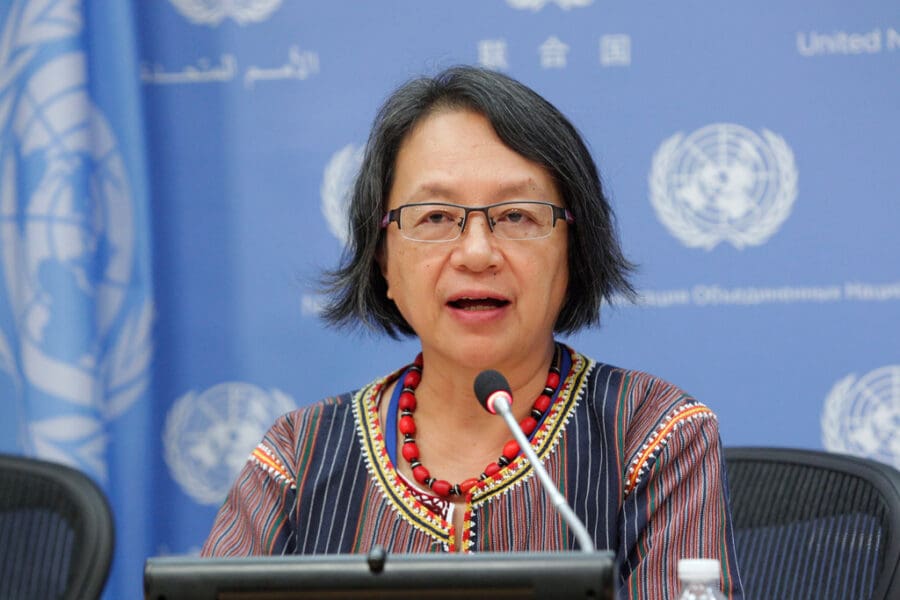
The theme of this year’s UN Permanent Forum on Indigenous Issues was “Indigenous Peoples’ collective rights to lands, territories, and resources.” Indigenous leaders from across the globe noted the crucial role that secure rights play in their lives and livelihoods, and in the advancement of sustainable development and climate change mitigation.
Pressures from climate change have worsened poverty, food insecurity, human trafficking, and child marriage, activists argue. For a long time, says Ms. Bandiaky-Badji, people have focused on rural and indigenous women “as victims.”
Land rights is emerging as a big issue in the UN’s REDD+ programme to reduce deforestation, with concern focused on a tract of 9.8 million forested hectares in the Mai-Ndombe province in the Democratic Republic of the Congo (DRC).
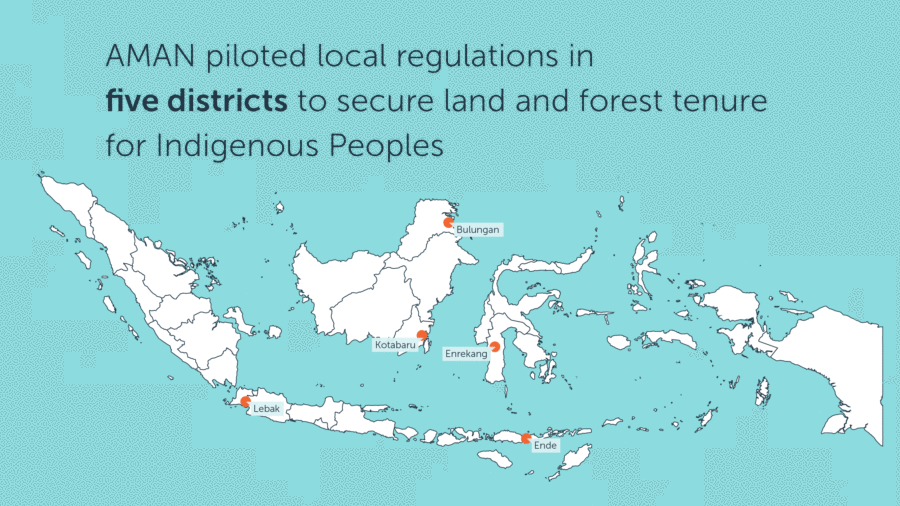
In just 29 months, the Alliance of Indigenous Peoples of the Archipelago, or AMAN, advanced community tenure security over 1.5 million hectares of land.
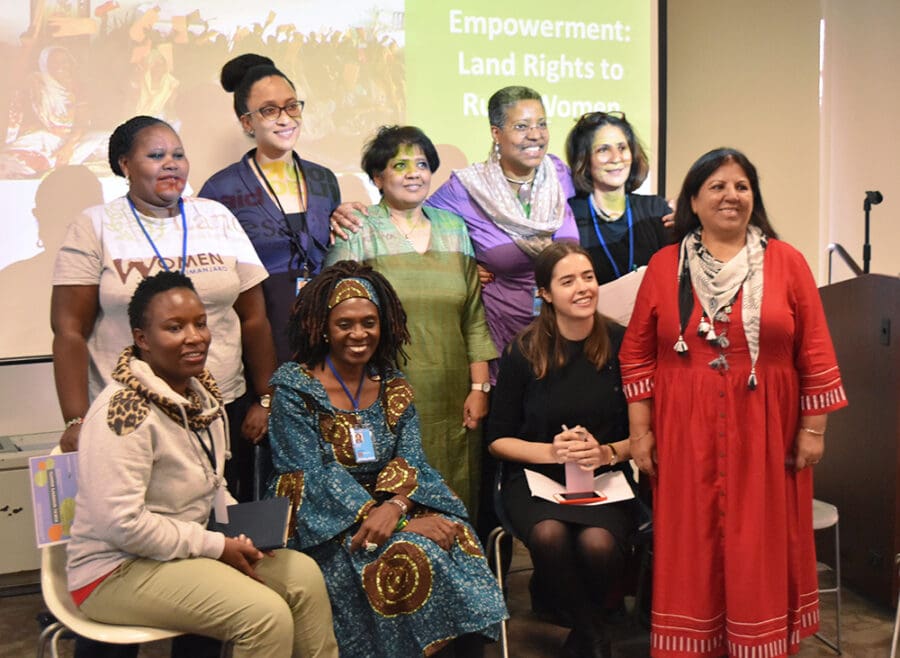
More than 4,300 civil society representatives from 130 countries participated this March in the 62nd Commission on the Status of Women (CSW62)—which focused this year on rural women and girls. Although the Agreed Conclusions adopted by all CSW Member States fell short of what advocates were pushing for, they still represent a shared commitment toward respecting the rights of indigenous and rural women.
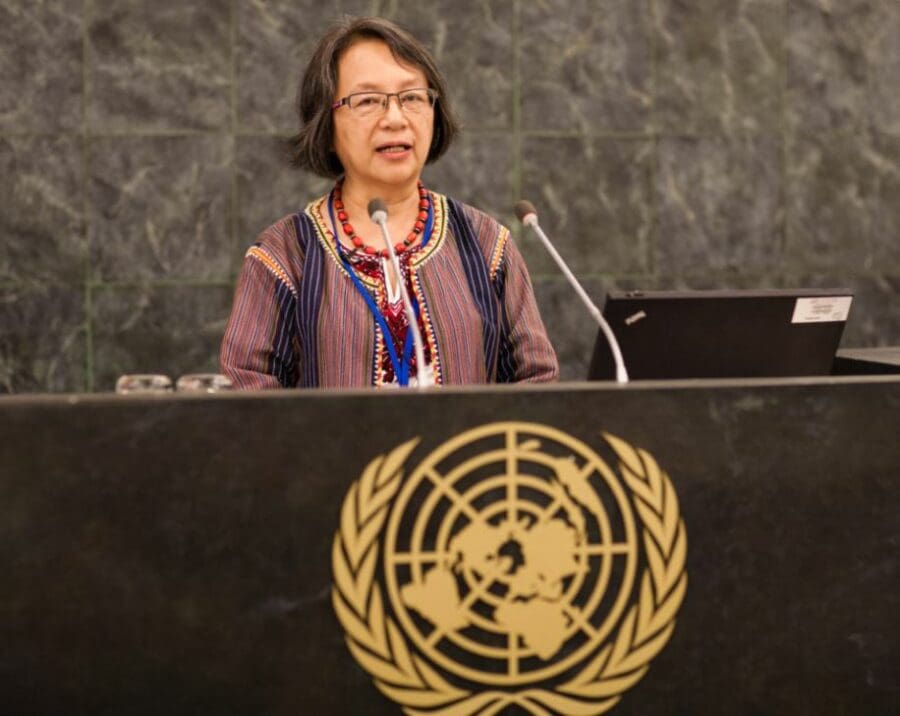
When I learnt that the Philippine government had accused me of being a terrorist, my immediate reaction was to hug my grandkids, fearing for their safety. Then, I started to speak out. Again.
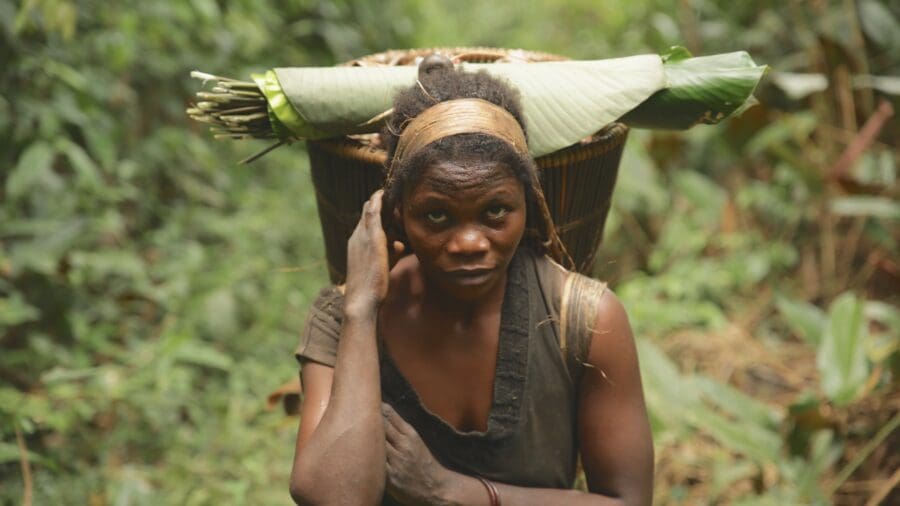
In a new study released today, researchers say they have identified significant flaws in ambitious forest preservation projects underway in a densely-forested region of the Democratic Republic of the Congo (DRC), where a decision on future investment by the World Bank’s Forest Carbon Partnership Facility (FCPF) is imminent. The DRC province of Mai-Ndombe has been a testing ground for international climate schemes designed to halt forest destruction while benefiting indigenous and other local peoples who depend on forests for their food and incomes, with US$90 million already dispersed or committed for climate finance in the province.
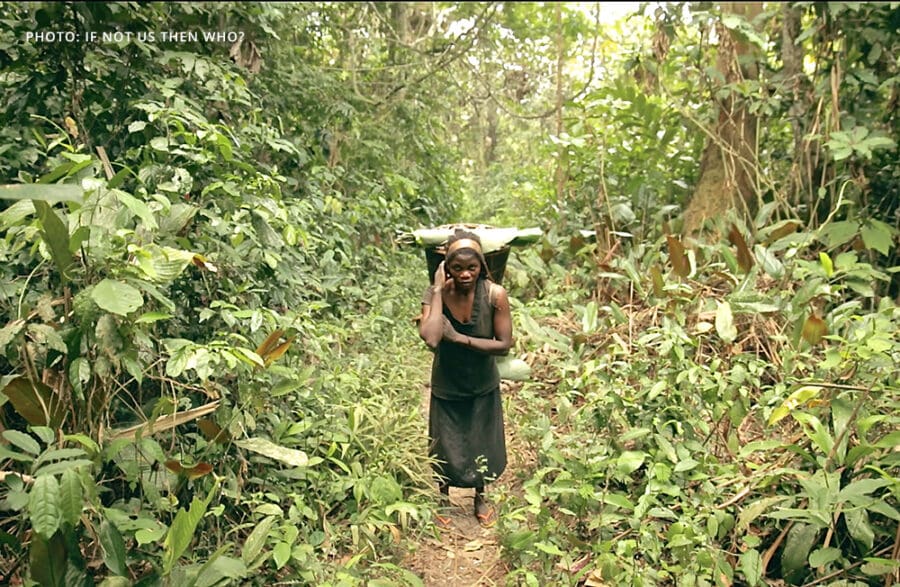
A new analysis of the Democratic Republic of Congo’s Mai-Ndombe province finds REDD+ investments in the region are moving forward without clear recognition of the land rights of Indigenous Peoples and local communities. The findings come at a crucial time, as a decision on future investment by the World Bank’s Forest Carbon Partnership Facility is imminent.
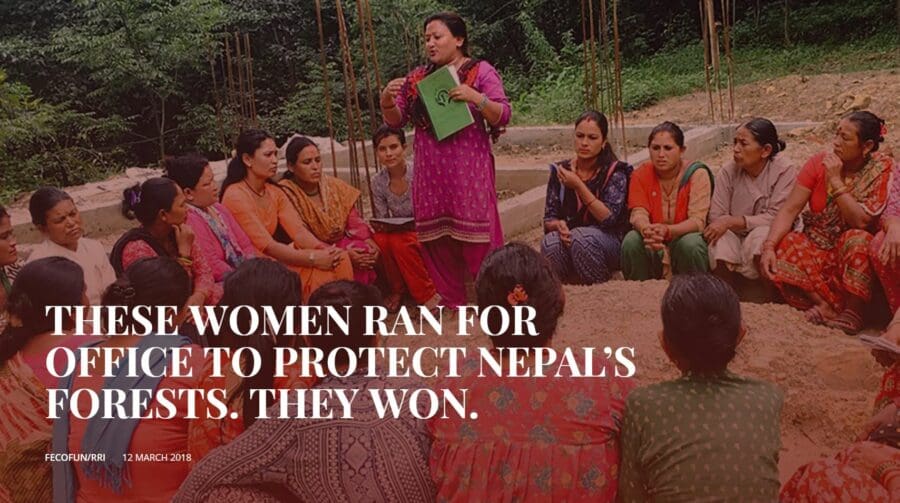
As Nepal wrote a new constitution and laid out guidelines for three tiers of elections, community forest users worried that the new government would leave little room for the voices of traditionally marginalized groups, like rural women and Dalits, a historically persecuted community in Nepal and India. The power to sit at the bargaining table and make important policy decisions, they agreed, had to come from adequate representation, particularly at the local government level.
That’s why women leaders and activists at a civil society organization called FECOFUN decided to run for office.
Given that the 1989-2003 civil wars were in part driven by disputes over land and resources, observers are worried what the future holds as a UN peacekeeping mission prepares to leave Liberia in March.

Indonesia faces a deforestation crisis: an estimated 55 percent of forests located in concession areas were lost over a period of 15 years (2000-2015), with an estimated total loss of more than 6.7 million hectares within and outside of concession areas. The country has been losing its forests at a rapid rate for decades, and in turn, adat and local communities’ livelihoods are under threat, and the wildlife and plant diversity in their traditional territories is being lost….
View the full photo essay here.
We asked six experts about the biggest opportunities, moments, and potential catalysts for change they see for community land rights in 2018. Here’s what they had to say.
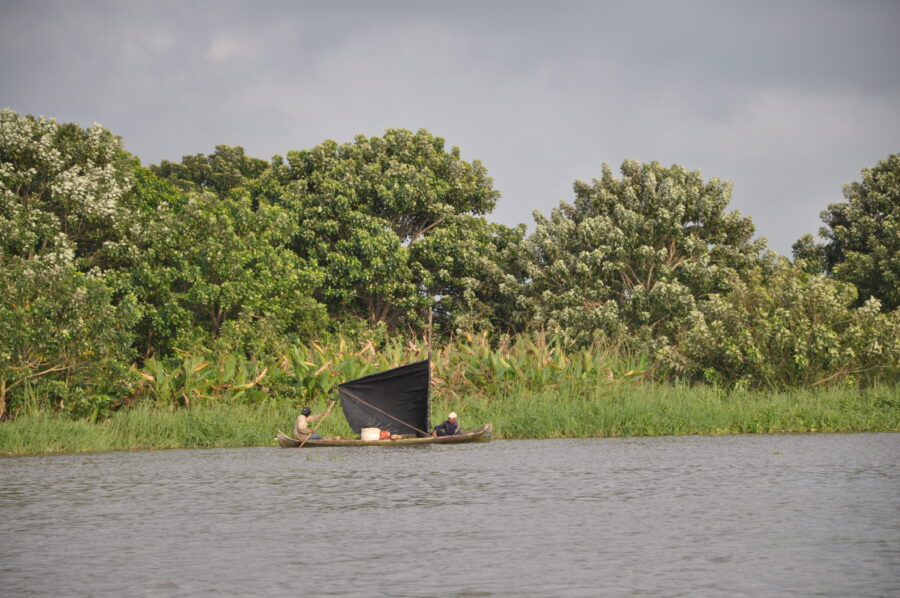
New data gathered from Afro-descendant community councils and state records reveal that the Colombian government has failed to address 271 claims for collective Afro-descendant land rights—threatening cultural and environmental sustainability, the rights of Afro-descendant community territories as established by Law 70 of 1993, and the successful implementation of the peace accords. Although all 271 communities have submitted formal applications for collective land titles, the government has largely delayed recognition of their claims—in some cases for over a decade.
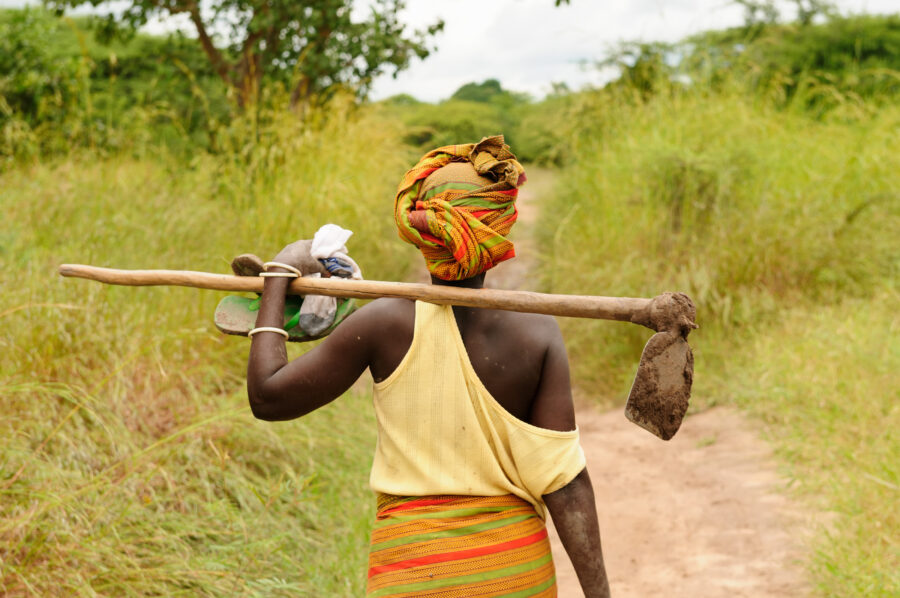
The creation of platforms to acknowledge and address the role of Indigenous Peoples, local communities, and rural women may represent a crucial step toward addressing the disparity between the lands Indigenous Peoples and communities protect and depend on and the legal recognition of their rights. These communities will have a formal platform at future climate talks to exchange knowledge, influence policy, and press for recognition of their rights before world leaders.