
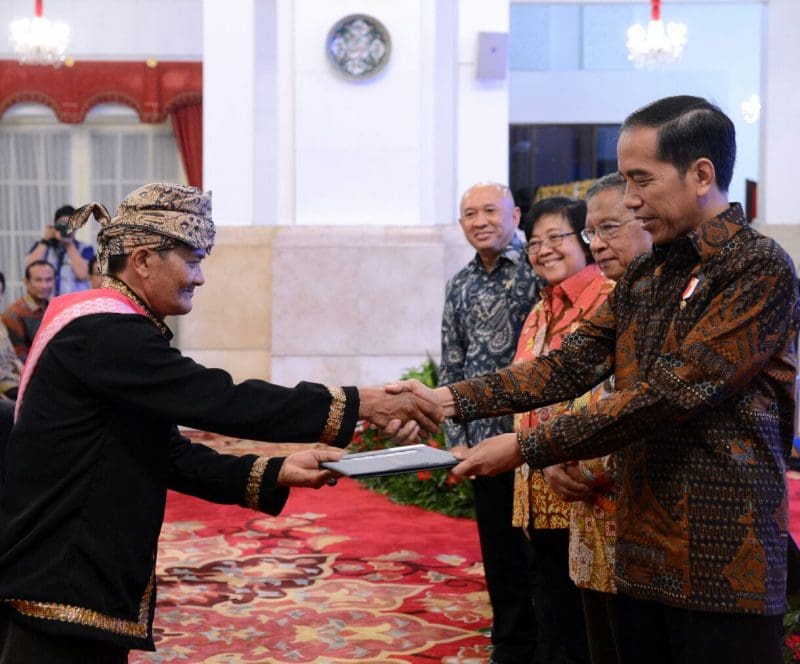
Both the conclusions of the conference and the collaboration that went into organizing it attest to the willingness of the current government and civil society to collaborate toward these goals. In the face of globalization and efforts to promote economic growth in Indonesia, full recognition of the land and forest rights of local and adat communities remains of the utmost importance. There is hope that this collaborative effort represents a step in the right direction toward securing the land rights of adat and local communities across Indonesia.

Arguably the biggest problem facing humanity—climate change—has a surprising solution: legally recognize and enforce the land rights of rural women in customary tenure systems. This November, it is essential that the world’s nations gathering in Bonn for the United Nations’ annual climate change conference (COP23) do not lose sight of this tremendous opportunity.
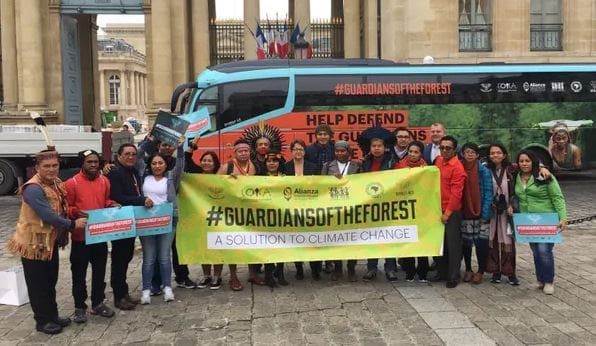
Alain Frechette of the Rights and Resources Institute said this was the most cost-effective way to reduce emissions. “Community-owned land sequesters more carbon, has lower levels of deforestation, greater biodiversity and supports more people than public or privately owned forest,” he told the gathering of indigenous leaders, supporters and journalists.
On paper, community-based forest management sounds like a good idea and it has garnered strong support internationally. But experts familiar with this conservation strategy have found that while CFM may be succeeding in meeting some of its goals, it fails to achieve others. By reviewing some of the scientific literature on CFM’s impacts, we have tried to tease apart its effectiveness.
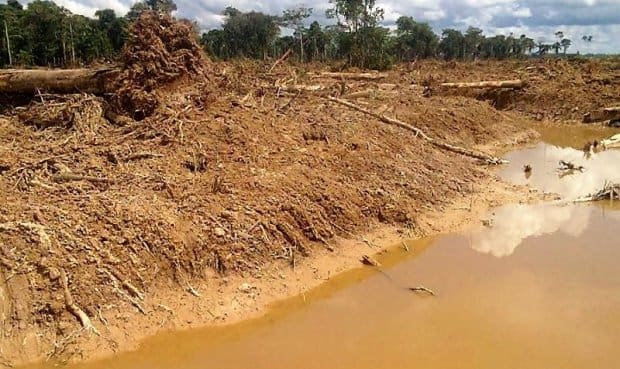
The community of Santa Clara de Uchunya, in Ucayali, Peru, is fighting back against both land trafficking and human rights abuses in the region.
Des dirigeants indigènes ont prévenu mardi à Londres que, faute de financement et de mesures supplémentaires pour protéger leurs forêts, la planète n’atteindrait pas les…
Indigenous leaders and forestry experts warned on Tuesday that without more funding and protection for forests and their peoples, the world will fail to meet the ambitious goals set by the Paris Agreement.

In Indonesia, large portions of lands and forests have been allocated for industrial plantations and extractive businesses with little respect for the land rights of the Indigenous Peoples and local communities occupying or claiming these areas, despite a 2013 Constitutional Court Ruling stating that customary forests should be returned to their traditional owners.
Tomorrow, October 4, participants from 65 countries—including representatives from Indigenous Peoples, local communities, women’s groups, governments, NGOs, civil society, multilateral banks, and the private sector—are convening in…
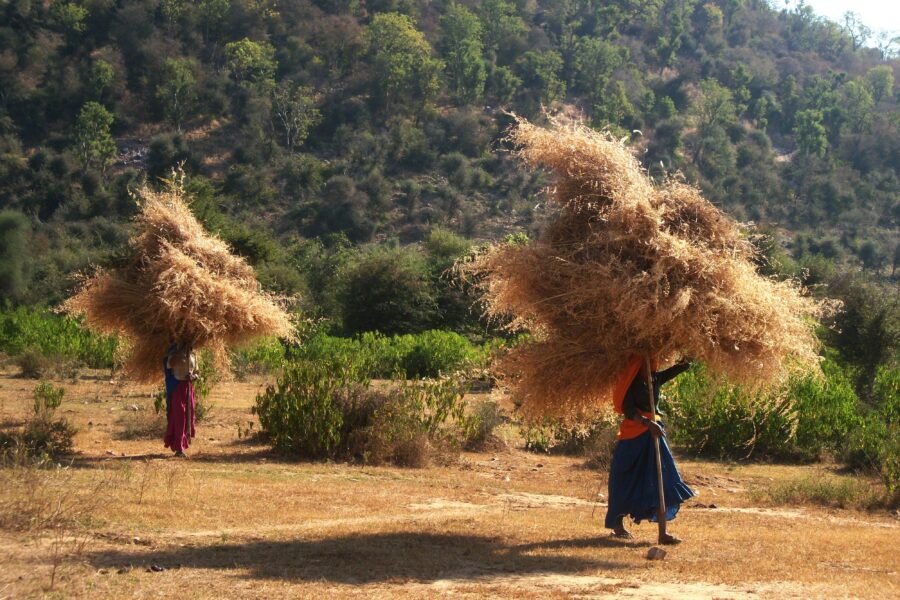
Despite growing international commitments to gender equity, there remains a persistent gender gap in women’s political representation, particularly in poor rural and indigenous communities.

In Brazil, indigenous and Afro-descendant communities face unprecedented threats to their hard-won territorial and constitutional rights.

RRI Fellow Madhu Sarin has been working on forest tenure reform in India for the last 15 years. In a conversation with RRI, Madhu shares her perspective on what it takes to strengthen women’s land and community forest rights in practice in India, how the country’s Forest Rights Act helped secure women’s land rights, and more.
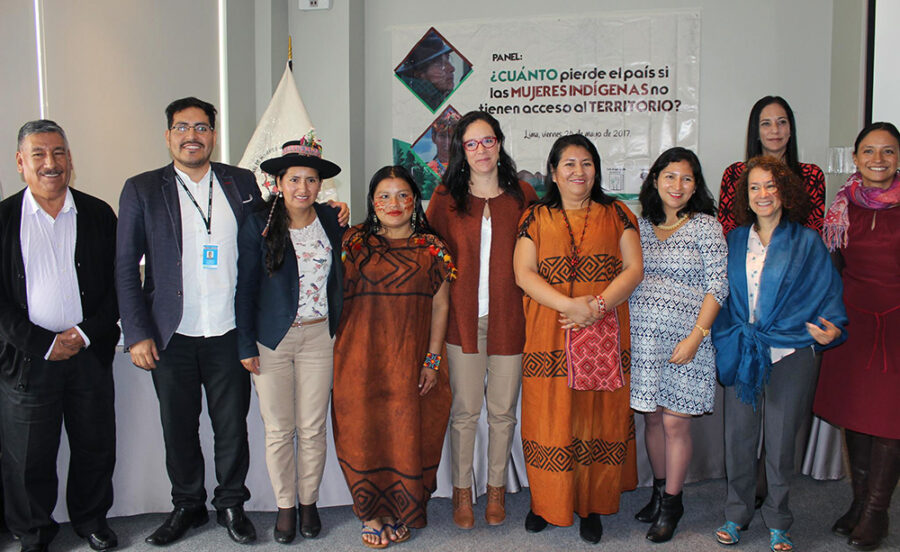
At a panel event in Lima, Peru, indigenous women advocated for stronger legal protections for indigenous women’s rights to govern their lands and resources.

Over the last two decades, companies in search of vast tracts of available land for agriculture, mining, and other uses have increasingly turned to rural Asia and Africa. From 2008 to 2010, between 51 and 63 million hectares of land were acquired on the African continent through such large-scale land acquisitions (LSLAs). And while the repercussions of LSLAs affect entire communities, women suffer the most.
Inadequate rights for indigenous and rural women are jeopardizing forests and common lands across the globe as demand for land and resources grows.
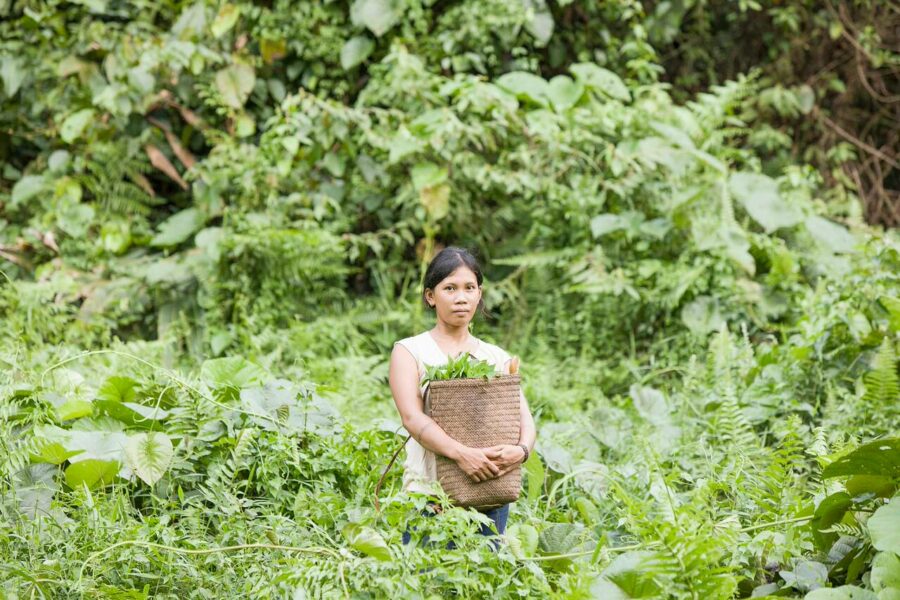
Women living in forest communities play a crucial role in climate change mitigation and economic development in low- and middle-income countries.

A new analysis from RRI provides an unprecedented assessment of legal frameworks regulating indigenous and rural women’s community forest rights in 30 developing countries comprising 78 percent of the developing world’s forests.
As rural demographics shift, lack of protections for women’s land rights undermines efforts to empower Indigenous Peoples and local communities, conserve tropical forests, and reduce poverty.

In Peru, women are raising their voices to call attention to their unique role as forest managers, and advocate for full participation in land titling projects that would affect them.

Indonesia is one of only two countries assessed that does not guarantee women equal protection under the constitution. Inequitable laws and the expansion of agribusiness threaten the customary practices of many communities who treat women as equals in managing customary lands and resources.
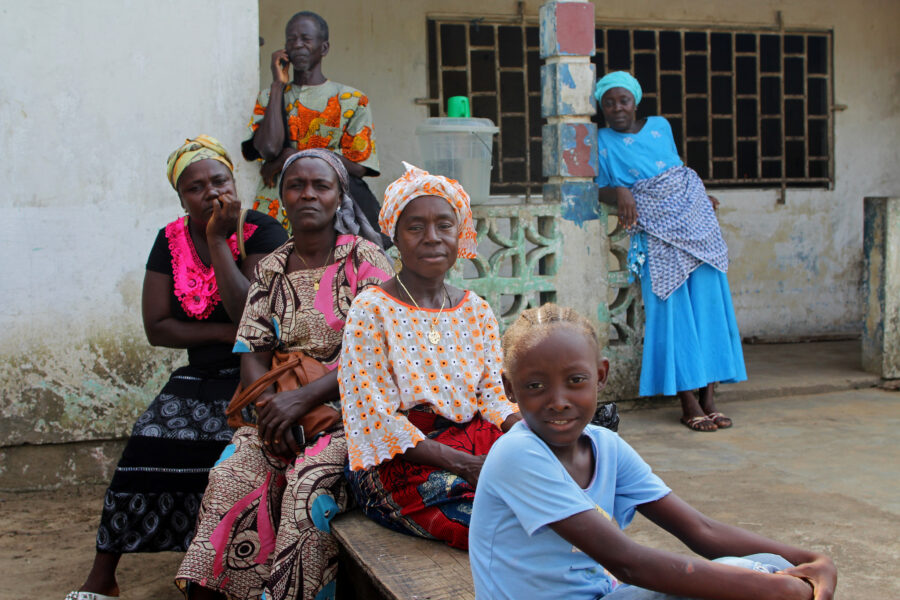
In Liberia, the promise of Africa’s first female president has fallen short: across the country, community and rural women have been cut off from the decision-making processes that affect them. Many are losing the lands and resources they rely on.
Como se ve en Mongabay el 26 de Abril, 2017 Doña Neria, del campamento El Chiclero, está contenta. Es la primera vez que un grupo…
The US government has failed to adequately consult with Indigenous Peoples and gain their consent for extraction, energy, and infrastructure projects on their lands, the UN Special Rapporteur on the Rights of Indigenous Peoples, Victoria Tauli-Corpuz, said in a press release.
Ghana’s forests and the people who depend on them face an illegal logging and mining epidemic.