


We depend on and are part of nature. Our life-giving water, the air we breathe is cleansed and revitalised, the food we eat comes from a living soil. Many of our health cures have origins in nature and our education and spiritual sustenance requires exposure to nature. Edmund Barrow FRSA argues our current economic and development paradigms fail to recognise this which requires a shift from being ‘tourists’ to pilgrims when it comes to our place on Earth.

RECENT ARTICLES

#BlackLivesMatter RRG Statement
We at the Rights and Resources Group (RRG) know that the events of the past weeks and the murders of Ahmaud Arbery, George Floyd, and Breonna Taylor by police officers are only a snapshot of the white supremacy that underlies widespread injustice against Black lives.
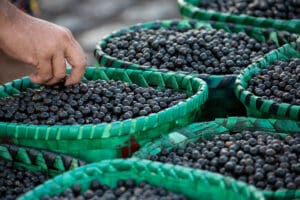
Federalism and the recognition of indigenous rights to land and natural resources in Myanmar
After 70 years of military rule, Myanmar is in a process of defining its federal system. Exploring lessons learned in other countries that have a similar set of issues can shed light on how to build a democratic and federal system of government in Myanmar that respects its ethnic people. A new report explores whether indigenous and community rights have been recognized in three countries that have federal systems of government and also have extensive indigenous communities—Canada, Ethiopia, and Brazil.
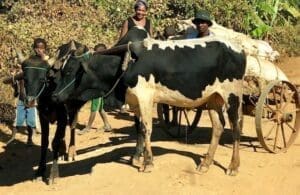
Forest restoration and democracy: Making communities visible in Madagascar
Recent discussions at the Global Landscapes Forum in Accra, Ghana, which revolved around tenure policy and forest landscape restoration in Madagascar, shed light on some of the issues impeding progress toward achieving positive social and ecological restoration outcomes globally.
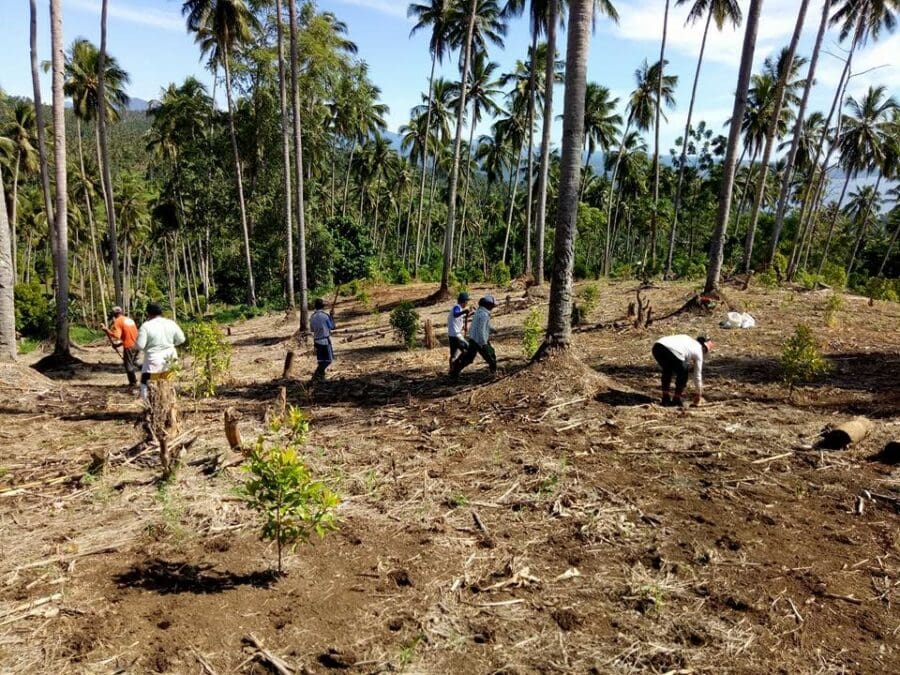
Land Rights for Women Under Indonesia Agrarian Reform: Land as a Symbol of Farmers’ Dignity and Survival
In Mangkit Village, North of Sulawesi in Indonesia, land was returned to farming families, ending a long struggle between the community and a plantation company. This has crucial implications for the communities’ livelihoods and very survival.

Remembering Dr. Esther Mwangi
Dr. Esther Mwangi, 1965-2019.
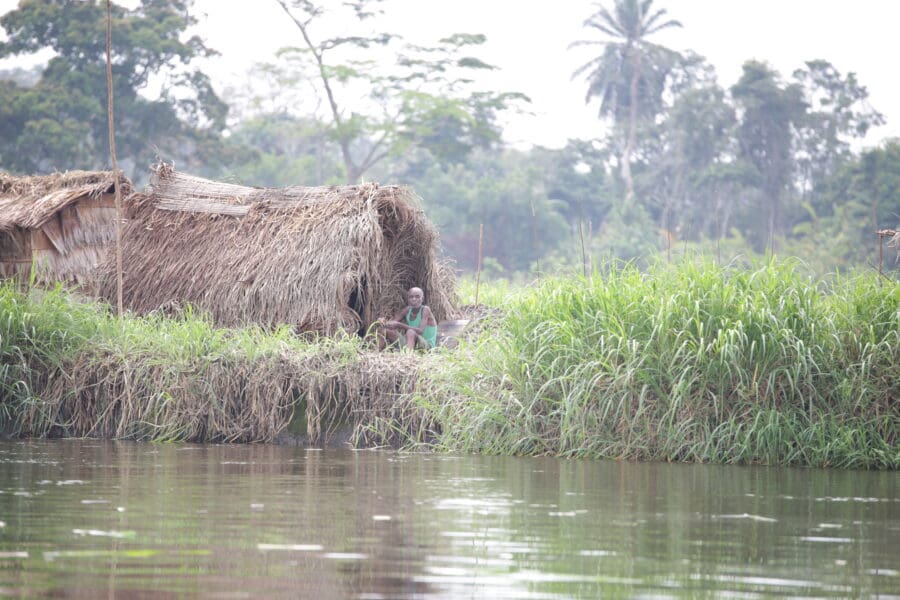
African Land Institutions Make Community Land Rights Their Agenda
Spurred by international policy commitments and growing demand from their constituencies, African land institutions are looking to place community land rights at the center of national development agendas.
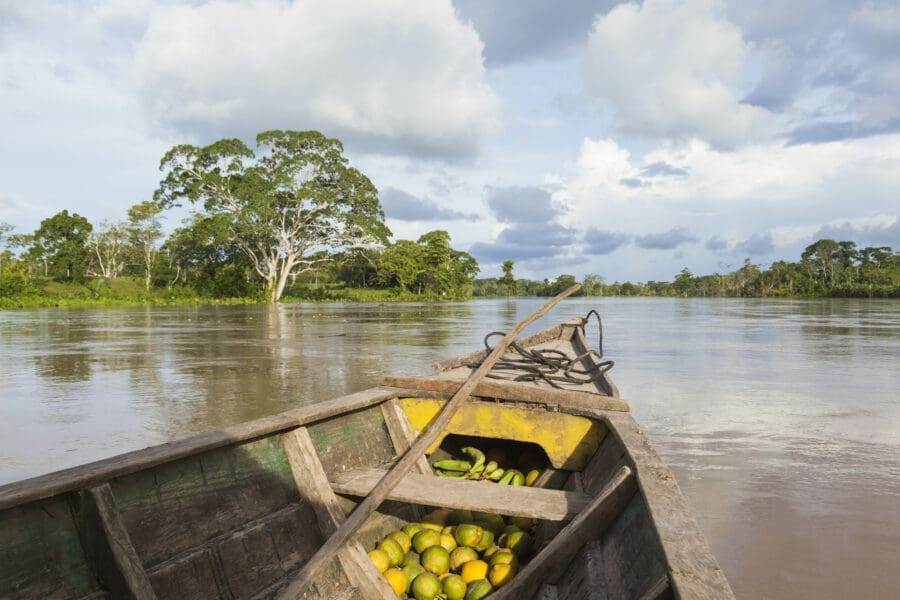
Recognizing Indigenous Peoples’ and local communities’ land rights is a climate change solution
We already know the solution to climate change: reduce emissions and protect forests. And luckily, there is a group of experts who are uniquely suited to manage, protect, and restore the world’s forests: Indigenous Peoples and local communities.

[Portuguese] A hora das cadeias éticas de suprimentos é agora
O apelo de ONGs líderes para que as empresas sigam a Accountability Framework (o Quadro de Responsabilização) para acabar com a destruição do ecossistema e violações dos direitos humanos na produção, comércio e financiamento de carne bovina, óleo de palma, polpa, madeira, soja e outras mercadorias.
The time for ethical supply chains is now
Leading NGOs call on companies to follow the Accountability Framework to end ecosystem destruction and human rights violations in the production, trade, and finance of beef, palm oil, pulp, timber, soy, and other commodities
Forests, Tenure, and Climate: Some key recent findings with respect to REDD+ and beyond REDD+
In spite of widely-recognized challenges, REDD+ continues to be one of the primary approaches for forest-based climate change mitigation. We have recently published a book chapter titled “Land and carbon tenure: Some—but insufficient—progress”. It examines the extent to which REDD+ has addressed the critical issue of land tenure, and also summarizes some key research findings on forests, tenure, and climate—not only those related to REDD+ but also those going beyond it.
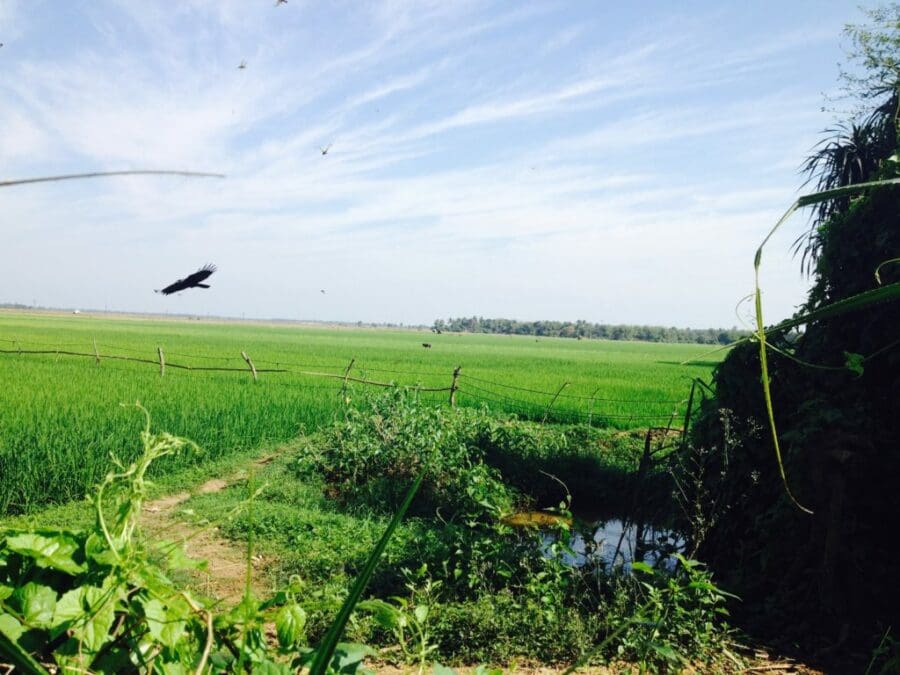
Leaders in the climate struggle: how Indigenous Peoples and local communities offer hope in the face of crisis
The recent IPCC report was the first to recognize the critical importance of securing indigenous and community land rights as a climate solution.
RRI’s Strategic Analysis and Global Engagement Director Alain Frechette discusses the evidence behind this finding.
The Most Read Stories
Subscribe to the Gender Justice Digest
to receive new articles directly in your inbox
Subscribe Now!