
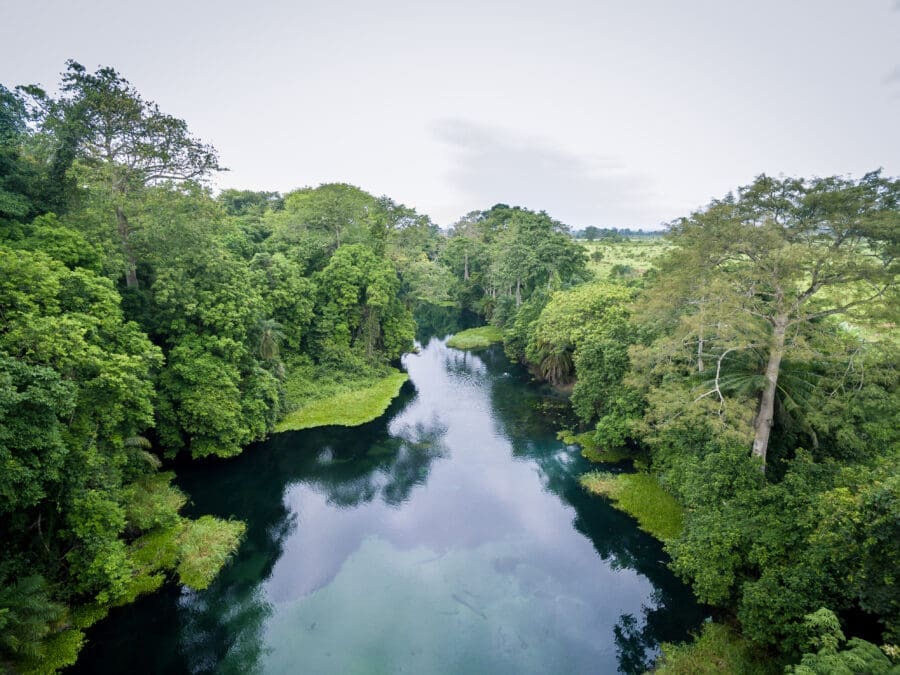
A new analysis by RRI finds Indigenous Peoples, Afro-descendant Peoples, and local communities have recognized rights to just 16 percent of forests across 61 countries. This is despite mounting evidence that secure tenure is vital to achieving global climate and biodiversity commitments and to sustaining the livelihoods of communities that have stewarded these forests for generations.

RECENT ARTICLES
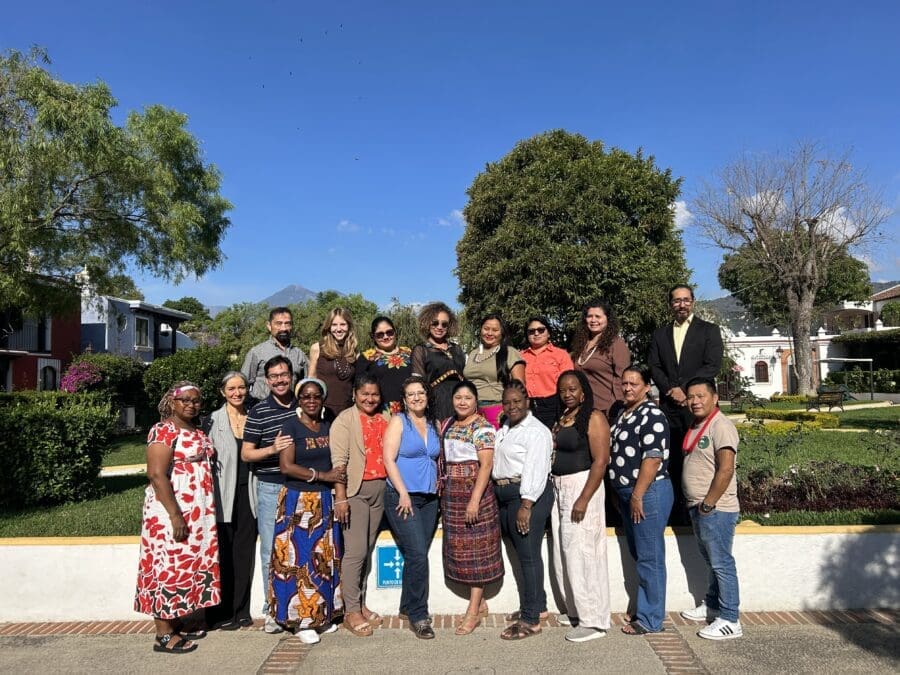
Women from 9 Countries in Latin America Strengthen the Women in Self-Sustaining Economies Network
In Guatemala, on April 21 and 22, 2026, 13 women leaders from 9* Latin American countries gathered to coordinate common agendas, strengthen alliances, and define strategic actions to boost their participation in the Rights and Resources Initiative’s Coalition in the region.
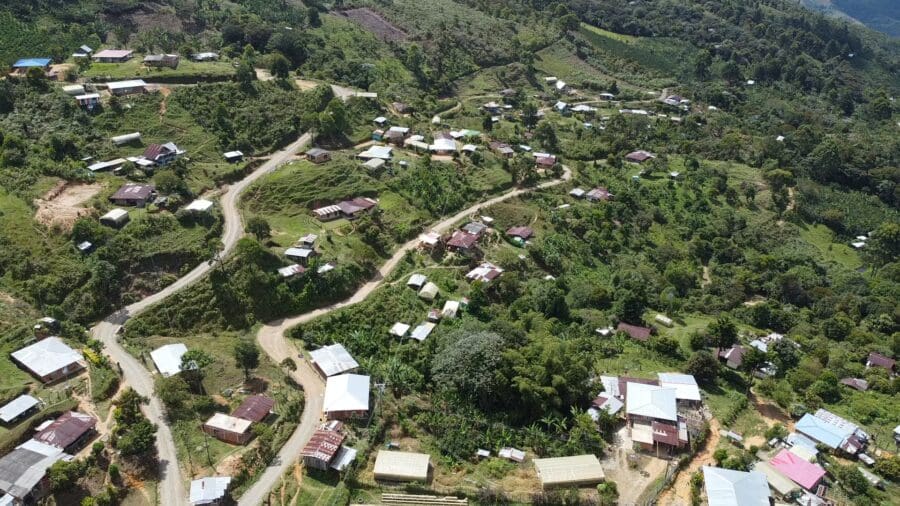
When Communities Lead: Lessons Learned from the Tropical Andes Grant
From 2022 to 2025, Rights and Resources Initiative, the Global Alliance of Territorial Communities, and Campaign for Nature funded 76 distinct projects at local, national, and regional levels in Colombia, Ecuador, Peru, and Bolivia, thanks to the generosity of the Bezos Earth Fund.

Indigenous and Local Communities’ Rights Coalitions Drive Bold 2030 Vision for the Congo Basin
More than four years of collaboration is entering a new phase as REPALEAC—the Central African Network for Indigenous and Local Peoples for the Sustainable Management of Forest Ecosystems—expands its partnership with the Rights and Resources Initiative and its rightsholder-led funding mechanism, the Community Land Rights and Conservation Finance Initiative (CLARIFI), across the Congo Basin.

“Give Her the Field”: How Custom is Securing Women’s Land in Cameroon
In Sèppè, a small coastal village in Cameroon, change is quietly, but powerfully, taking root. For generations, women here have been the pillars of their families and communities, working and cultivating land that they have not historically had the benefit of owning. Thanks to the work of a powerful network of women, the tide is now turning.

Collective Protection as a Strategy to Safeguard Human Rights Defenders: ACADESAN’s Work in Colombia’s Pacific Region
Environmental defenders are on the frontlines of safeguarding biodiversity, addressing climate change, and protecting human rights. The concept of collective protection has emerged as a critical framework in the defense of defenders who often act in unison to protect their communities and draw support from them. Collective protection emphasizes the need to protect not only individual defenders but also the broader community structures that support and sustain their work.

Twelve Indigenous Groups Receive Official Recognition in Indonesia’s North Lombok Regency
The recognition follows the acceptance of a new participatory map by the local government, documenting Indigenous territories across the regency’s five districts. The decree recognizes Indigenous control over 51,000 hectares, setting a strong precedent for policy related to Indigenous Peoples in the province of West Nusa Tenggara.
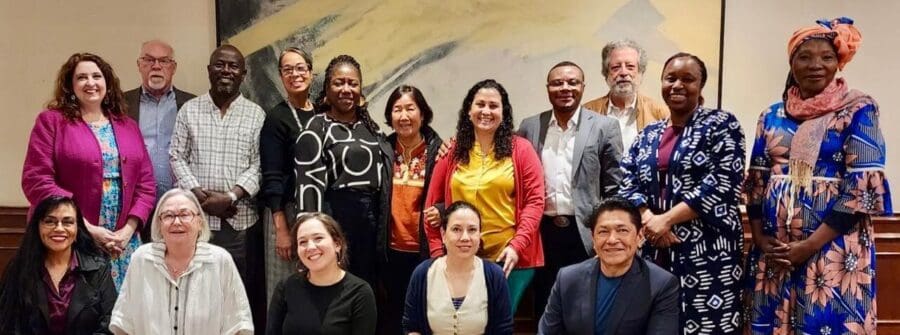
Press Release: RRI Welcomes New Indigenous and Local Community Leaders to its Board, Including Youth and Afro-descendant Peoples for the First Time
In a transformative restructure, the Rights and Resources Initiative (RRI) announced a new Board Chair and five new members from Indigenous, Afro-descendant, and local communities to its Board of Directors, strengthening representation, diversity, and leadership across its governance.

A YEAR IN REVIEW: Coalition Victories in 2025
2025 was a deeply challenging year for our sector, testing our coalition in unprecedented ways. But despite this, our coalition members claimed some major wins through their remarkable courage and resilience.

Local Communities Gained More Effective Representation at COP30, but Continue to Demand Formal Recognition as Key Stakeholders within UNFCCC
Local communities across Latin America, Africa, and Asia made key advances in increasing their effective representation in global climate negotiations and policies at the recently concluded 30th UN Climate Change Conference.
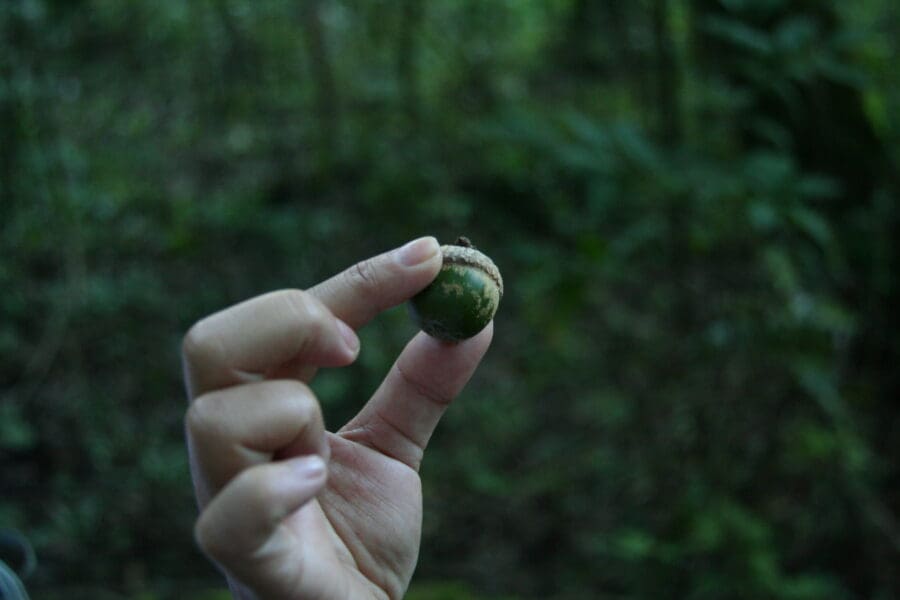
“We are no longer the same shy women”: The story of Felisa Navas Pérez, a community leader in Guatemala
The president and legal representative of the Integral Forestry Association of Cruce a La Colorada (AFICC) in the Maya Biosphere Reserve, Guatemala, shares the vicissitude she had to face as a leader, mother, and head of household.
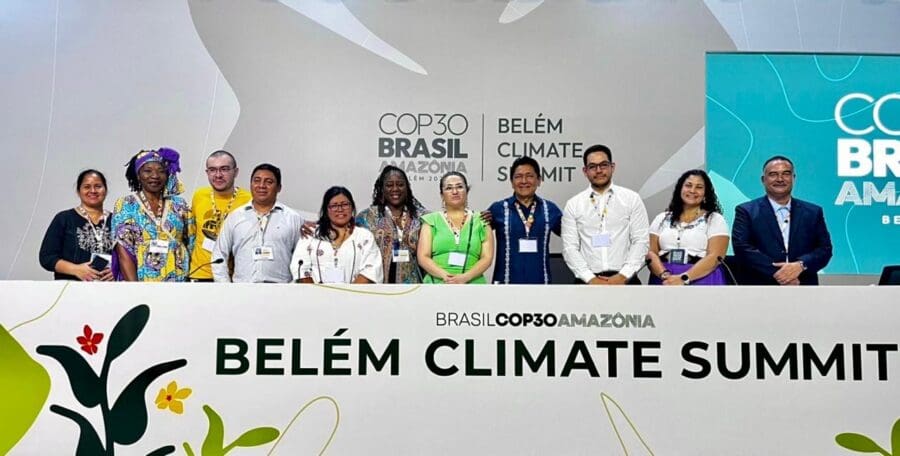
COP30 Wins: Progress for Forests, Tenure Rights, and Communities
At the recently concluded COP30, the central role of tropical forests and the Indigenous, Afro-descendant, and local communities that protect them was firmly in the spotlight. Despite ongoing challenges, the climate summit delivered tangible, measurable gains for communities and local forest stewards, ranging from landmark land recognitions to new funding initiatives and international collaborations.
The Most Read Stories
Subscribe to the Gender Justice Digest
to receive new articles directly in your inbox
Subscribe Now!