
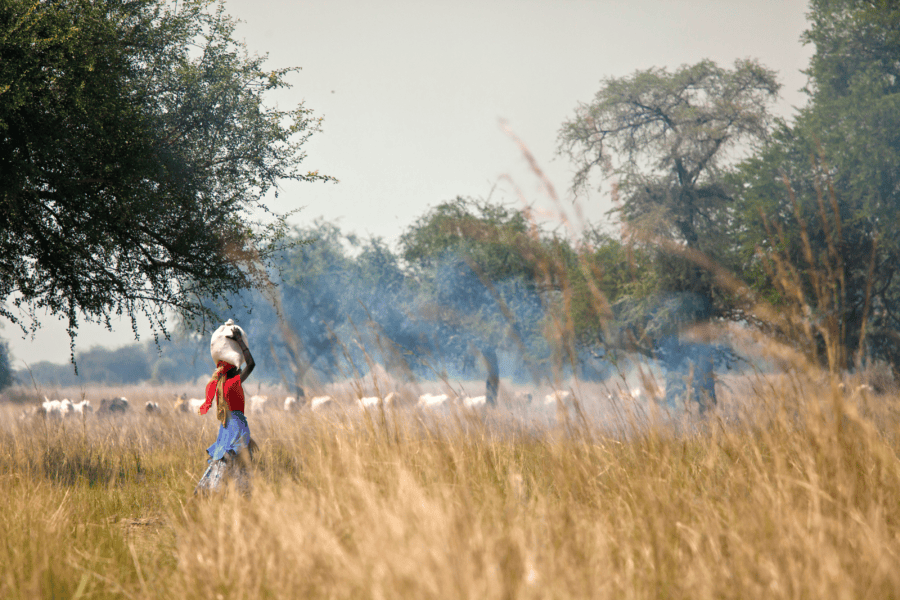
For generations, Indigenous Peoples and local communities have been primary stewards of Africa’s biodiversity; protecting forests, sustaining wildlife and maintaining traditional governance systems through sustainable…
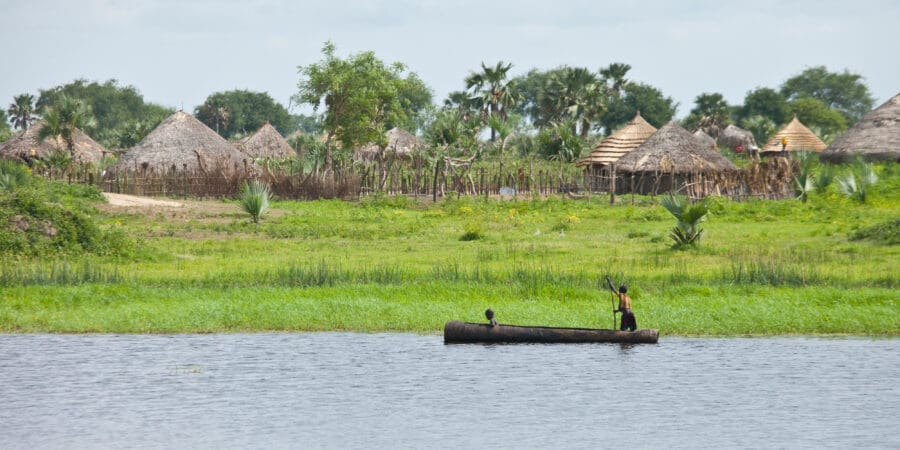
RRI and Landesa have filed an amicus curiae brief before the African Court on Human and Peoples’ Rights, urging it to recognize the critical role of Indigenous Peoples and local communities, especially women, in climate action.
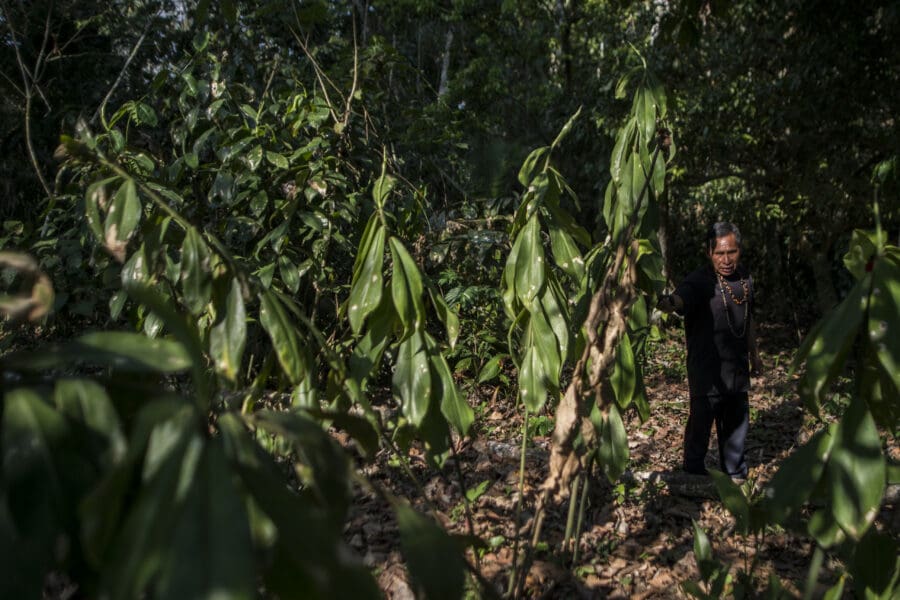
The adoption of the National Policy on Indigenous and Native Peoples through 2040 represents a major milestone for Peru, particularly for the Amazon region, given the policy’s national, multisectoral, and legally binding nature and the prior consultation process conducted with Indigenous organisations.
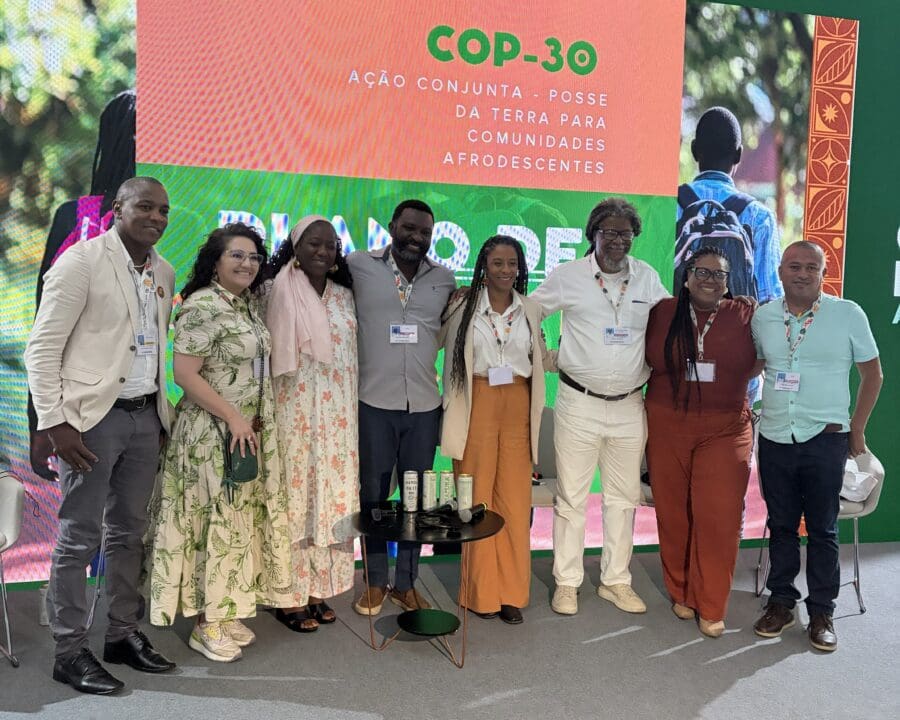
Afro-descendant Peoples are not simply communities living in the forest; they are among the most effective forest guardians on the planet. Yet their territories in Latin America and the Caribbean remain almost entirely excluded from climate finance. The Plan to Accelerate Solutions (PAS) has set out to change this.

The recognition follows the acceptance of a new participatory map by the local government, documenting Indigenous territories across the regency’s five districts. The decree recognizes Indigenous control over 51,000 hectares, setting a strong precedent for policy related to Indigenous Peoples in the province of West Nusa Tenggara.

2025 was a deeply challenging year for our sector, testing our coalition in unprecedented ways. But despite this, our coalition members claimed some major wins through their remarkable courage and resilience.

Local communities across Latin America, Africa, and Asia made key advances in increasing their effective representation in global climate negotiations and policies at the recently concluded 30th UN Climate Change Conference.
The president and legal representative of the Integral Forestry Association of Cruce a La Colorada (AFICC) in the Maya Biosphere Reserve, Guatemala, shares the vicissitude she had to face as a leader, mother, and head of household.
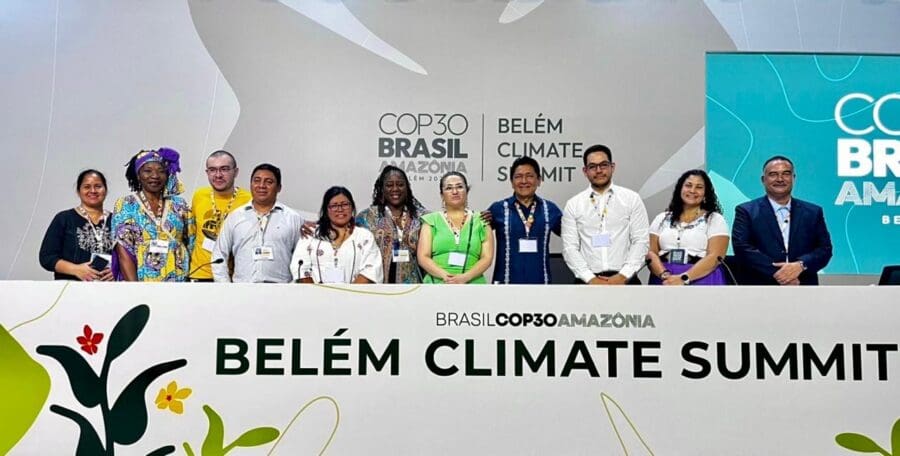
At the recently concluded COP30, the central role of tropical forests and the Indigenous, Afro-descendant, and local communities that protect them was firmly in the spotlight. Despite ongoing challenges, the climate summit delivered tangible, measurable gains for communities and local forest stewards, ranging from landmark land recognitions to new funding initiatives and international collaborations.
For the first time in over 30 years of global discussions on the climate agenda, the United Nations Framework Convention on Climate Change and the Caribbean (UNFCCC) has referenced Peoples of African descent in core negotiation documents released at the conclusion of the meeting, including texts on Just Transition, Gender Action, and the Global Goal on Adaptation.
During COP30 in Belém, the governments of Brazil and Colombia, together with the Rights and Resources Initiative (RRI), officially announced the launch of the Acceleration Plan for Solutions for Afro-descendant Peoples (PAS Afrodescendiente) 2026–2030, the first regional initiative dedicated to accelerating the answers to the historical gaps in territorial recognition, environmental governance, and financing for Afro-descendant Peoples in Latin America and the Caribbean.
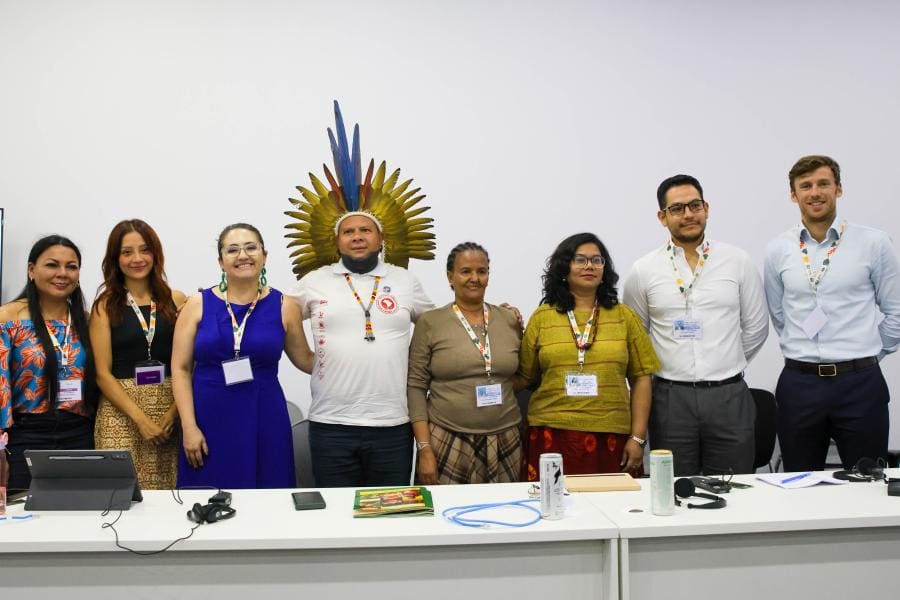
Climate change negotiators meeting in Brazil for COP 30 will face intense pressure to agree on indicators to measure adaptation and a roadmap to quadruple the new collective quantified goal on climate finance.
As the world moves toward COP30 in Belém, Brazil, countries are in the process of updating their Nationally Determined Contributions (NDCs)—the key national plans that define climate goals, strategies, and financing needs under the Paris Agreement. In this crucial context, RRI released a two-phase study in September and October 2025, analyzing current NDCs of 25 countries across Latin America, Africa, and Asia.

As the global community prepares for UNFCCC COP30, hosted for the first time in the Amazon region of Brazil, the Rights and Resources Initiative (RRI) and its coalition of over 200 partners, collaborators, and allies have been sending a clear and powerful message for months: Earth’s #DefendersLeadTheWay on climate action.
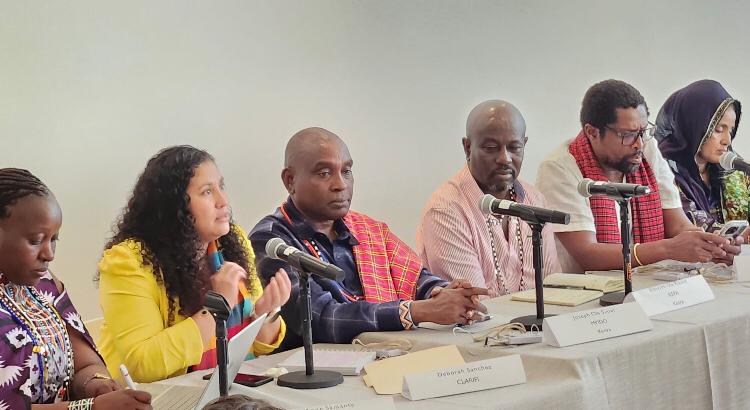
During Climate Week NYC 2025, RRI and partners amplified Indigenous, Afro-descendant, and local community voices—advancing rights-based climate action and equity ahead of COP30.
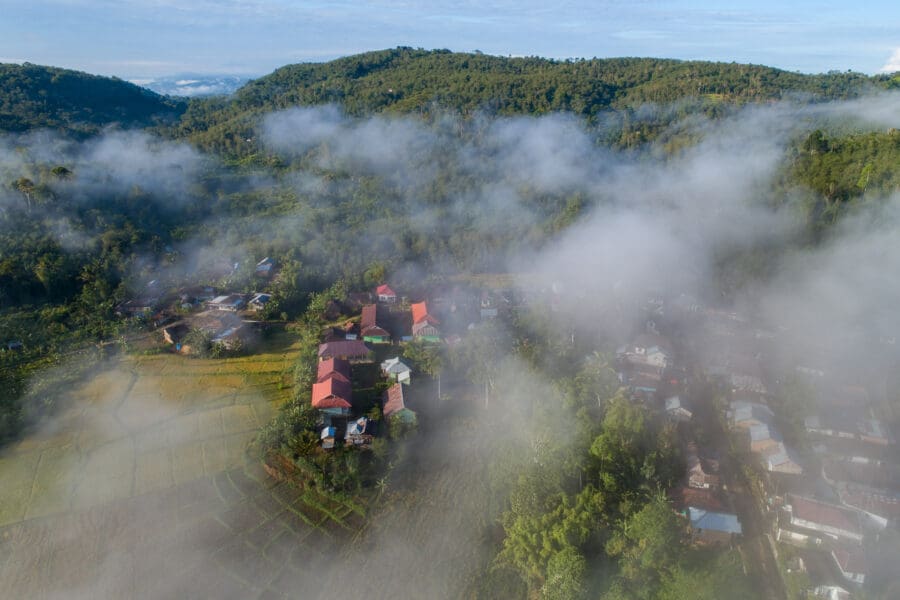
A new report by RRI, Forest Peoples Programme, and the ICCA Consortium assessing 30 high-biodiversity countries across Africa, Asia, and Latin America finds that while most countries have legal pathways to advance rights-based conservation, in practice, communities’ contributions to national conservation efforts continue to be inadequately recognized or supported.
We declare that there is no solution to the climate crisis without the recognition and protection of our territorial rights. Here, we present our priority demands and urge the Brazilian Presidency of COP30 to present concrete results for the respect, recognition and protection of our territories.
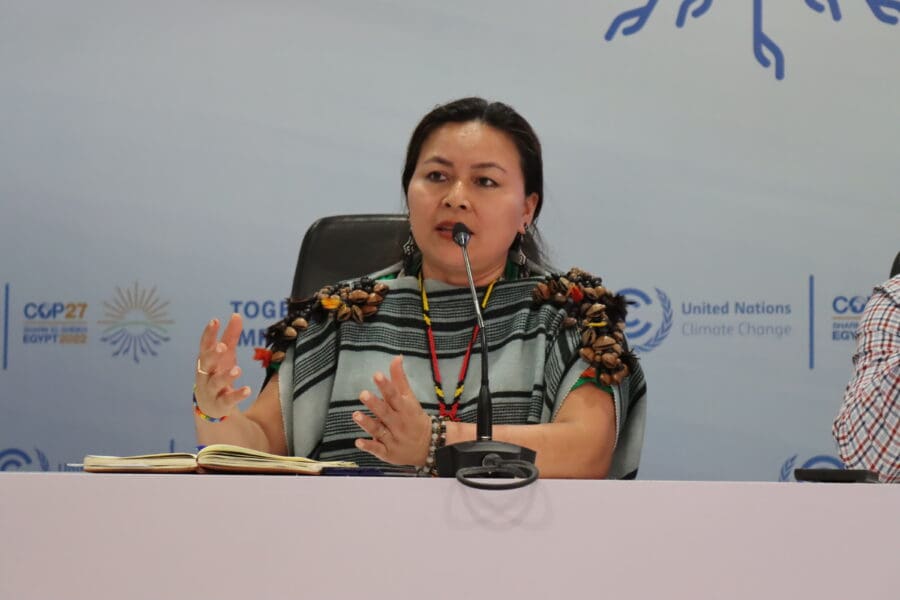
The secretary of the Board of Directors of the Interethnic Association for the Development of the Peruvian Jungle (AIDESEP) shares the challenges she had to overcome to become an Indigenous woman leader.
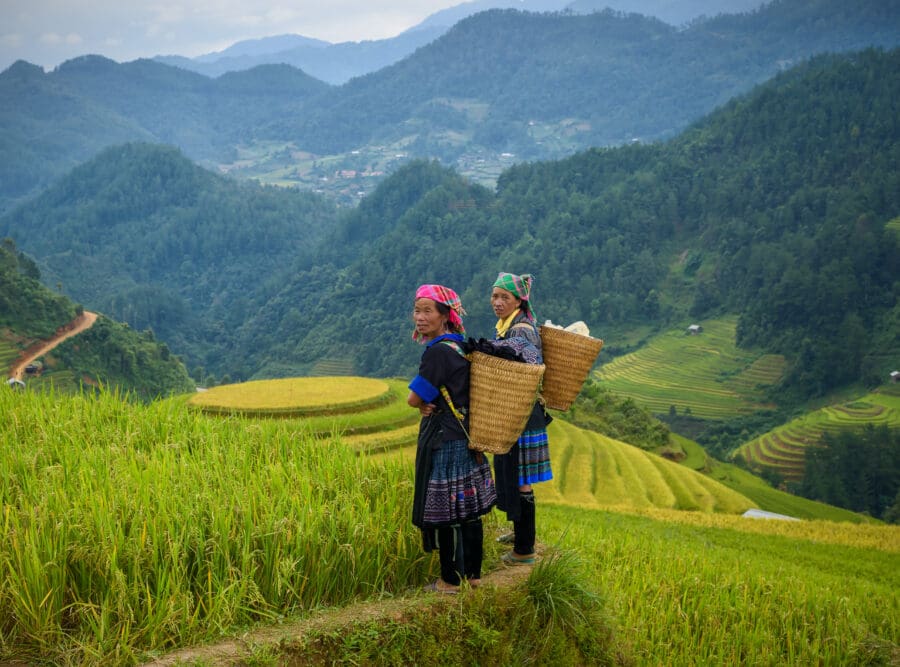
Have you ever wondered why people experiencing poverty in rural areas of the Global South tend to have insecure land tenure? If you have, you may have rightly concluded that the greed of powerful actors and colonialism are an important part of the story. But this barely begins to describe the forces that have strengthened and weakened tenure security across time for those with little voice and power.

As the fight for climate justice continues, acknowledging the connections between land, water, ecosystems, and human communities is critical for the realization of positive and lasting change.
After decades of being omitted from the UN’s biodiversity convention, Afro-descendant Peoples in Latin America and the Caribbean got great news at the 16th Conference of the Parties to the UN Convention on Biological Diversity (CBD) recently held in Cali, Colombia.
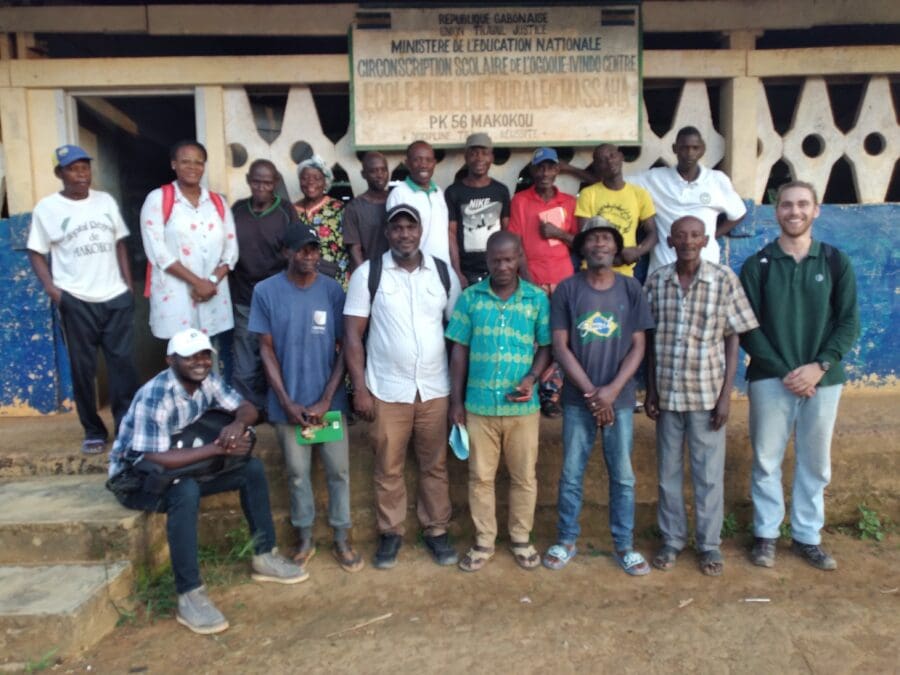
Gabon’s Massaha communities are documenting the rich biodiversity stored in their ancestral territories to demonstrate the transformative power of community-led conservation. Can they help one of the world’s most forested countries conserve 30% of its biodiversity by 2030?
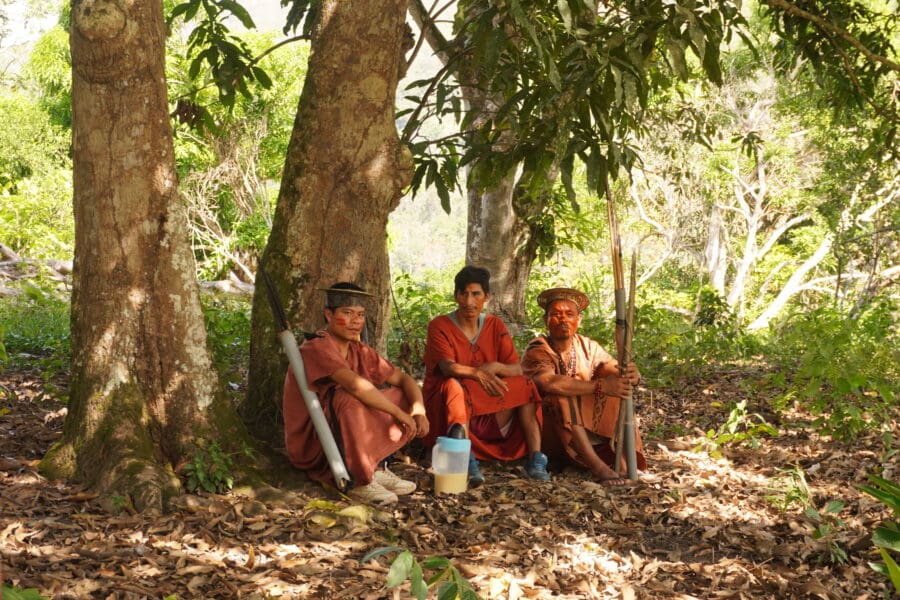
On July 14, the body of Mariano Isacama Feliciano was found on the bank of the Yurac River, a tributary of the Amazon in the Peruvian department of Ucayali. Isacama Feliciano was a human rights defender from the Katkataibo Indigenous People and had been working with his community to resist the presence of illegal loggers before his death.
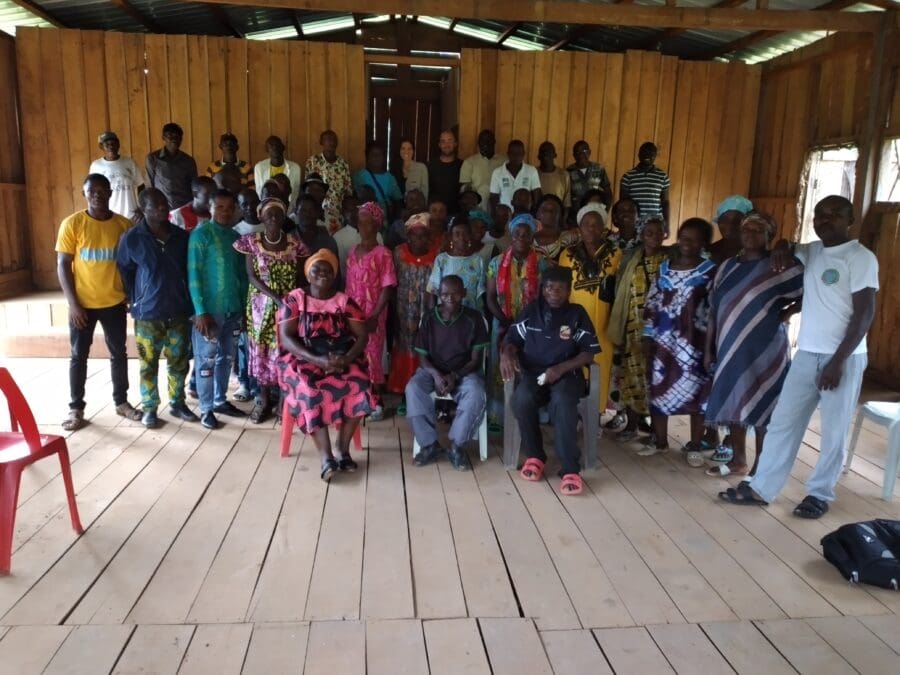
With financial support from the Bezos Earth Fund, RRI's coalition in the Congo Basin has undertaken concrete actions demonstrating alternatives to conservation approaches that exclude communities. In some places, the project's interventions have halted illegal logging, mining, and oil companies’ activities that threaten land and soil degradation as well as local livelihoods.