
RRI and Landesa have filed an amicus curiae brief before the African Court on Human and Peoples’ Rights, urging it to recognize the critical role of Indigenous Peoples and local communities, especially women, in climate action.
From the bottom of our heart: our gratitude and condolences to Hans’ family and his many friends around the world; and thank you, again, Hans Gregersen. Upward and onward!

The Kichwa People of Pastaza in the Ecuadorian Amazon have lived and thrived in the forest for centuries, but as society changes and newer generations disengage from the culture, it has become difficult to maintain and pass down their traditions. That is why, in 2022, a group of Kichwa women ceramicists founded the artisan collective called Sinchi Muskuyuk Warmi.
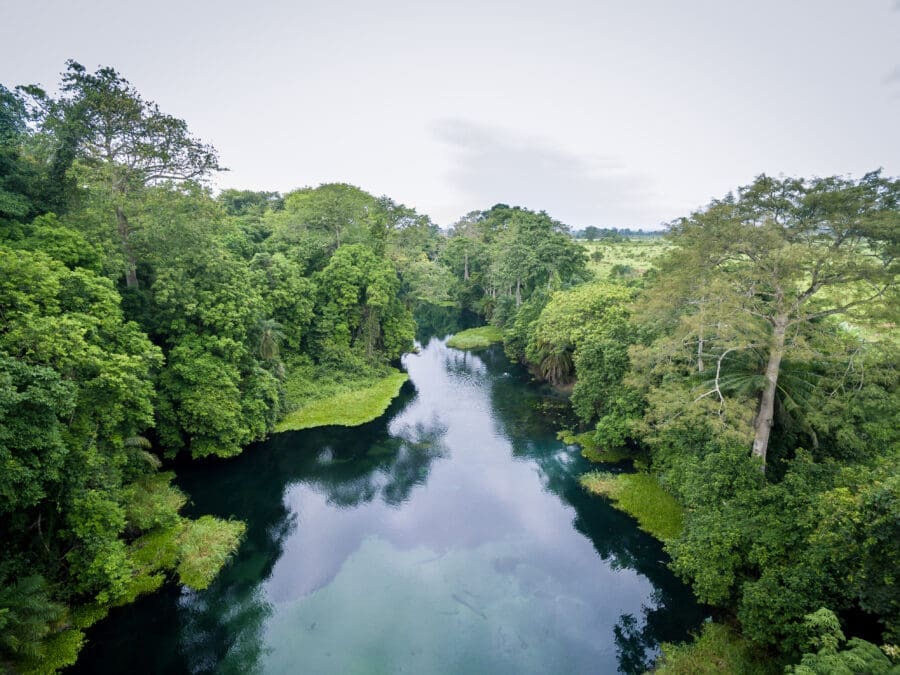
A new analysis by RRI finds Indigenous Peoples, Afro-descendant Peoples, and local communities have recognized rights to just 16 percent of forests across 61 countries. This is despite mounting evidence that secure tenure is vital to achieving global climate and biodiversity commitments and to sustaining the livelihoods of communities that have stewarded these forests for generations.

Environmental defenders are on the frontlines of safeguarding biodiversity, addressing climate change, and protecting human rights. The concept of collective protection has emerged as a critical framework in the defense of defenders who often act in unison to protect their communities and draw support from them. Collective protection emphasizes the need to protect not only individual defenders but also the broader community structures that support and sustain their work.

2025 was a deeply challenging year for our sector, testing our coalition in unprecedented ways. But despite this, our coalition members claimed some major wins through their remarkable courage and resilience.
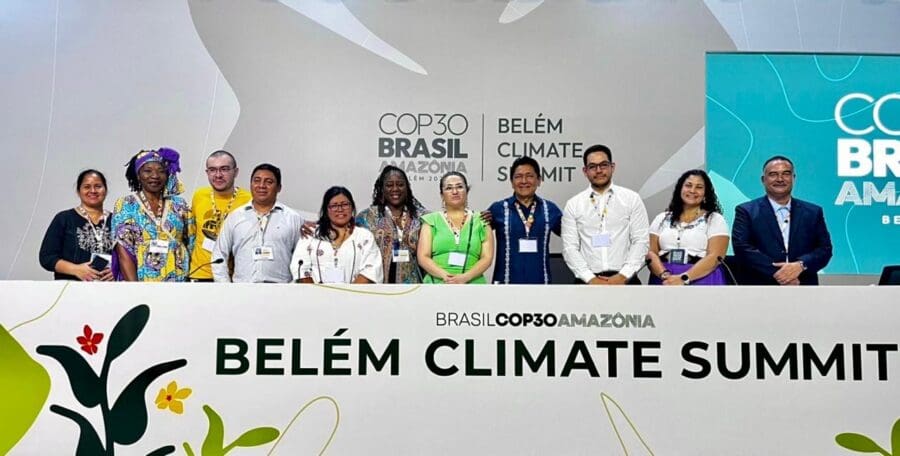
At the recently concluded COP30, the central role of tropical forests and the Indigenous, Afro-descendant, and local communities that protect them was firmly in the spotlight. Despite ongoing challenges, the climate summit delivered tangible, measurable gains for communities and local forest stewards, ranging from landmark land recognitions to new funding initiatives and international collaborations.
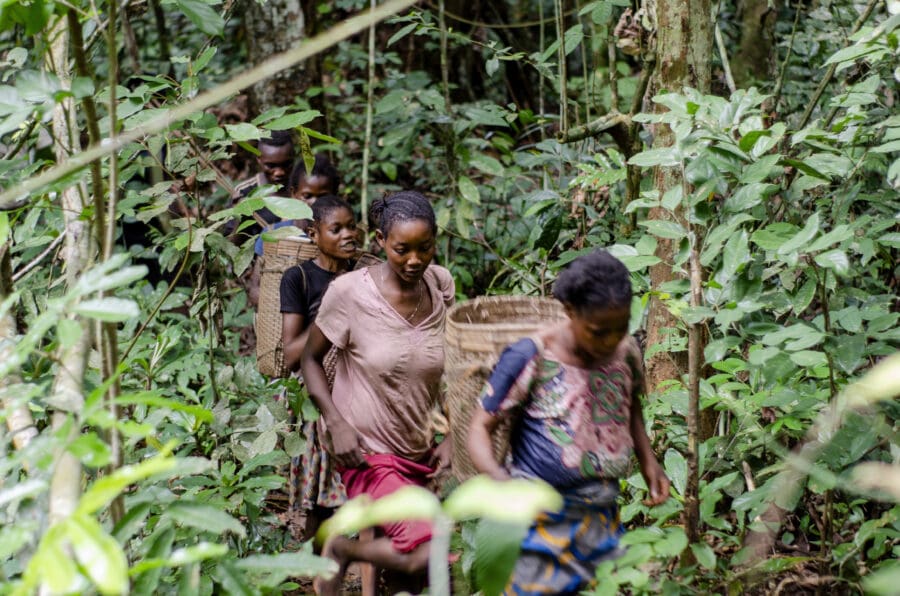
At COP30, RRI announced the next phase of its global coalition strategy, "From Rights to Livelihoods: Advancing Collective Economies for People and Planet," with the launch of a new Collective Livelihoods and Enterprise Network. The initiative represents a major step in linking land rights, sustainable livelihoods, and conservation through community-led economies.
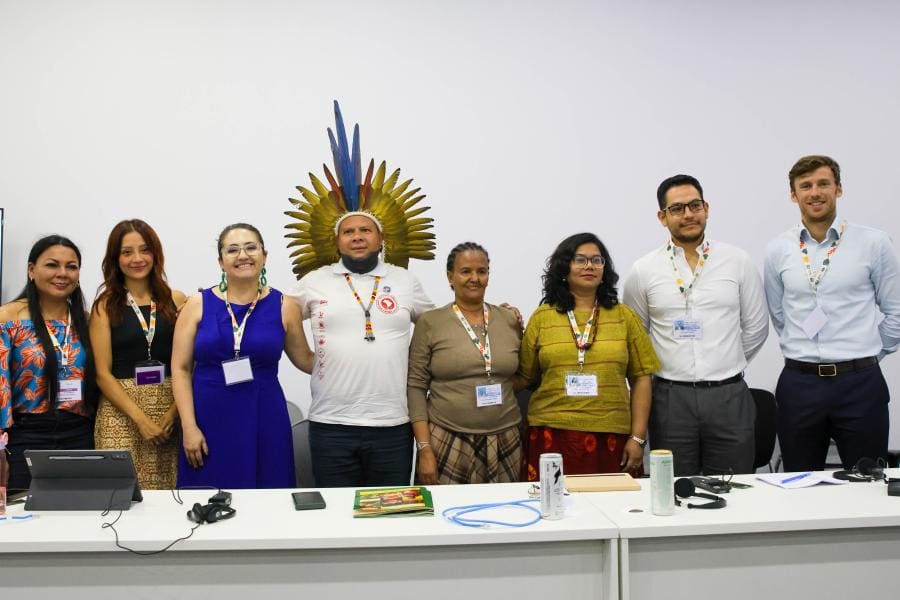
Climate change negotiators meeting in Brazil for COP 30 will face intense pressure to agree on indicators to measure adaptation and a roadmap to quadruple the new collective quantified goal on climate finance.
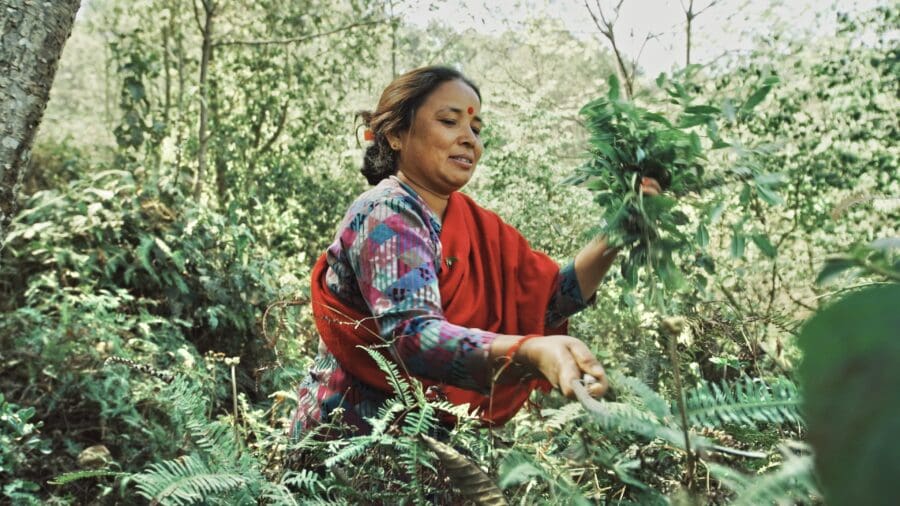
This statement by the Women in Global South Alliance (WiGSA) extends its congratulations to governments and donors for their renewed commitment to supporting the tenure rights of Indigenous Peoples, Afro-descendant Peoples, and local communities, as announced at COP30 in Brazil on November 6, 2025, and calls on funders to address the global gender funding gap.
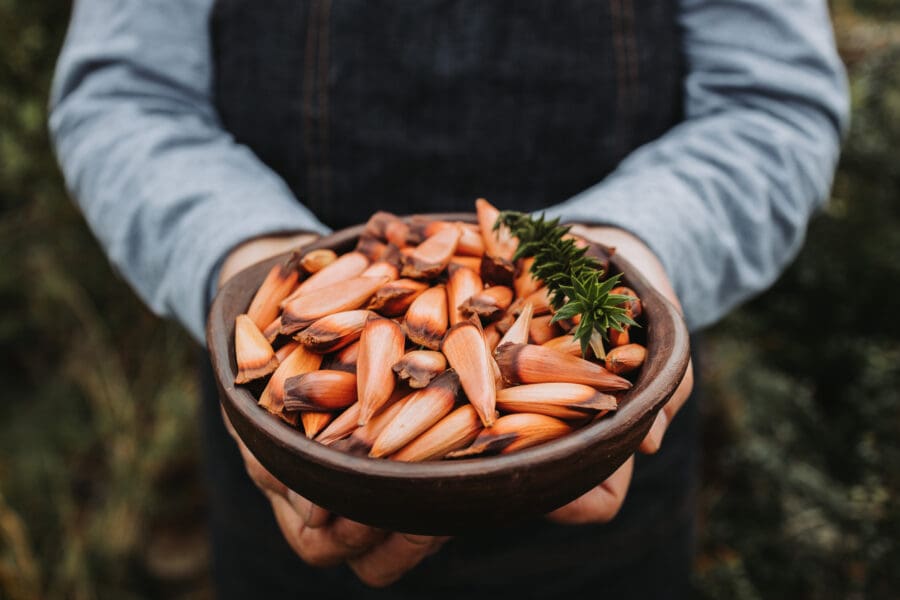
As global leaders prepare to gather in Belém, Brazil, this November for the 30th UN Climate Conference (COP30), the Rights and Resources Initiative (RRI) and its global partners are calling for the summit to serve as a turning point for Indigenous Peoples, Afro-descendant Peoples, and local communities who safeguard the world’s forests and biodiversity.
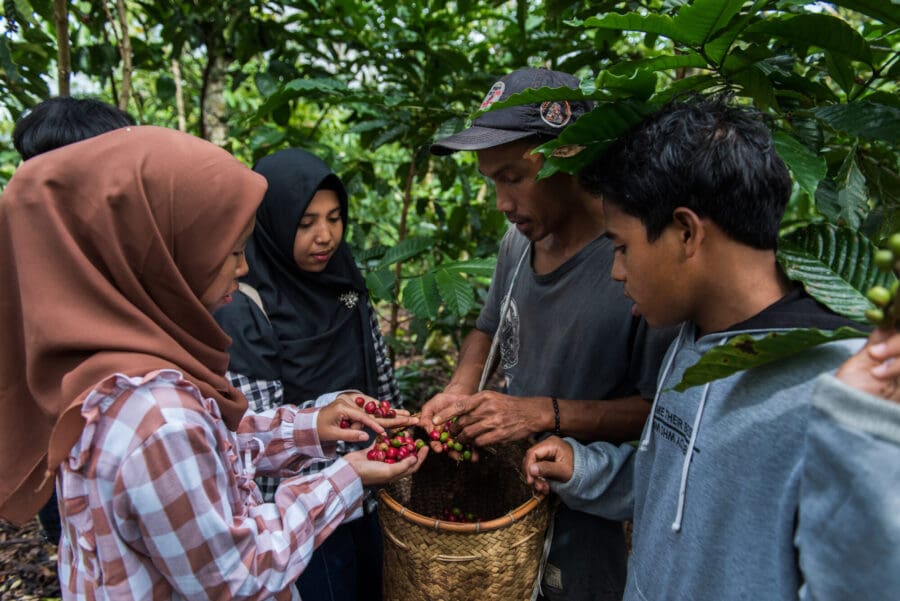
Novo relatório mostra progresso inconsistente em nível nacional em relação aos direitos de posse de terras para Povos Indígenas, Povos Afrodescendentes e comunidades locais
New report shows inconsistent domestic progress on tenure rights for Indigenous Peoples, Afro-descendant Peoples, and local communities
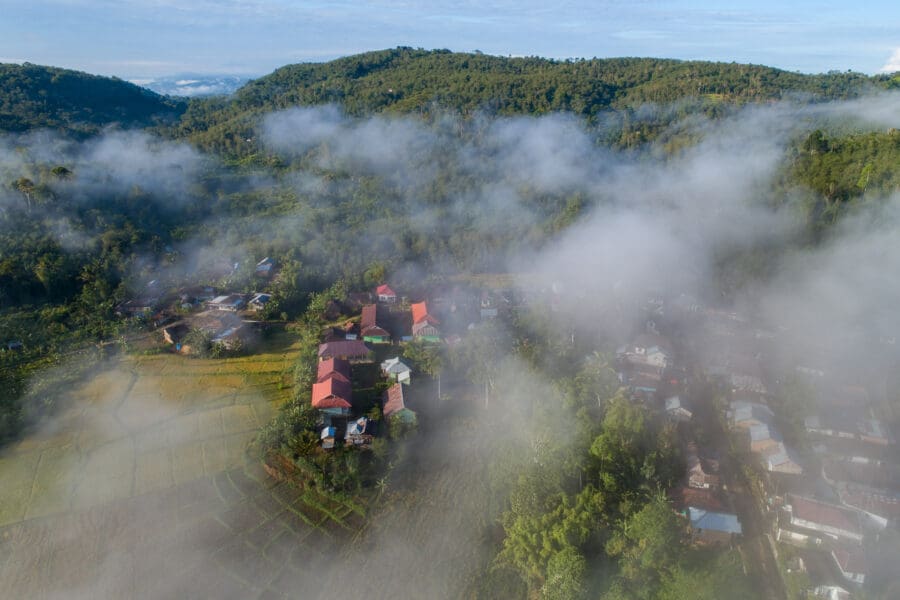
A new report by RRI, Forest Peoples Programme, and the ICCA Consortium assessing 30 high-biodiversity countries across Africa, Asia, and Latin America finds that while most countries have legal pathways to advance rights-based conservation, in practice, communities’ contributions to national conservation efforts continue to be inadequately recognized or supported.

RRI is seeking nominations for the Chair of the Board of Directors, who will guide its coalition of more than 200 partners, collaborators, and fellows in implementing its Fourth Strategic Program, which runs through 2027. We are looking for individuals committed to RRI's core issues: The land, resources, and collective rights of Indigenous Peoples, Afro-descendent Peoples, and local communities.
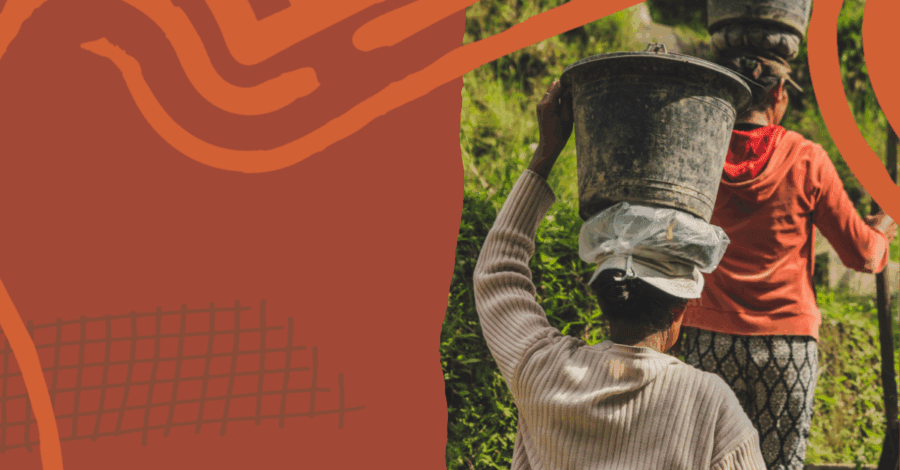
These are the three communities that are leading global efforts to protect nature and preserve traditional knowledge for future generations.
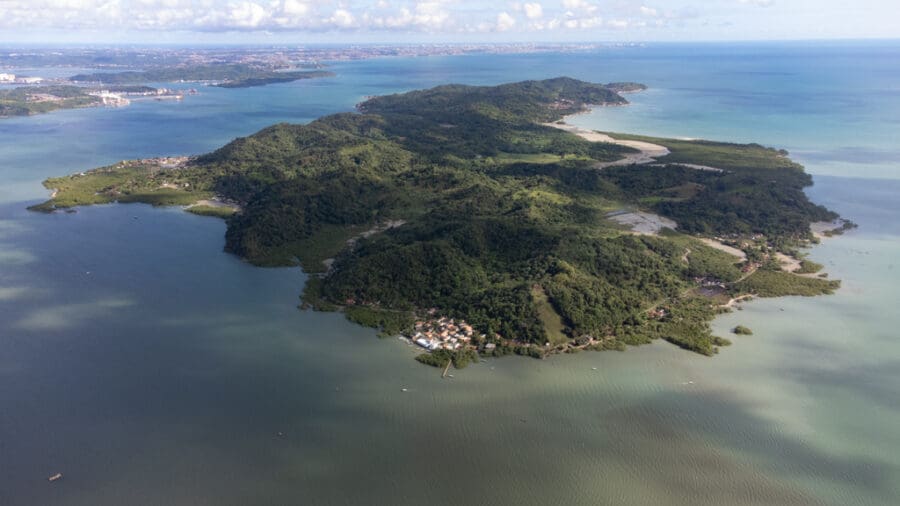
We declare that there is no solution to the climate crisis without the recognition and protection of our territorial rights. Here, we present our priority demands and urge the Brazilian Presidency of COP30 to present concrete results for the respect, recognition and protection of our territories.
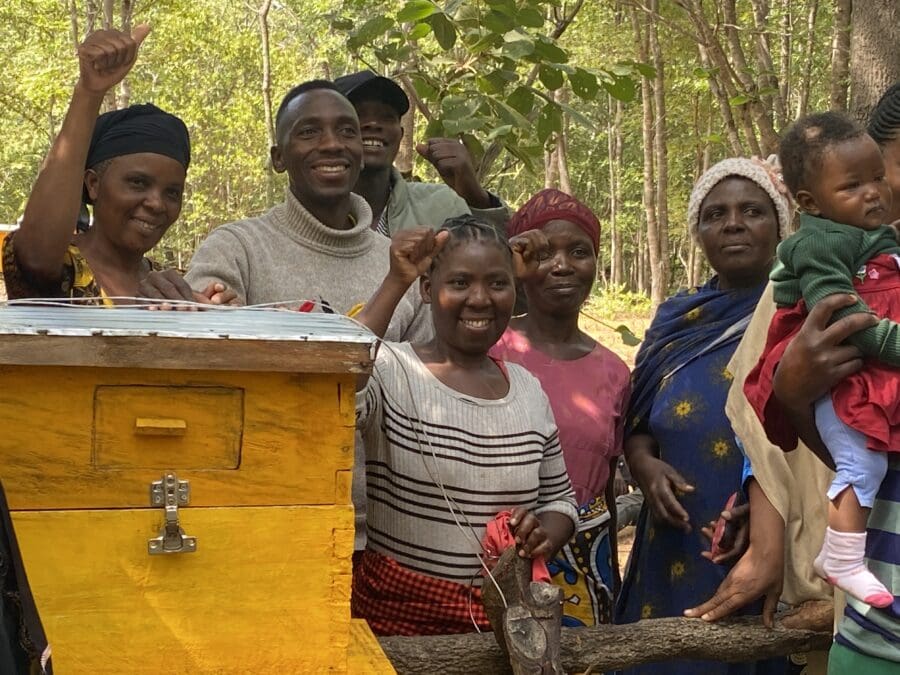
There are 13,318 villages in Tanzania, and of them, only 34% have a Village Land Use Plan (VLUP). A VLUP is a crucial prerequisite for obtaining a Certificate of Customary Right of Occupancy—the equivalent of securing land tenure. This can be especially important for women, who are often marginalized in land inheritance, lack access to credit services, and have little voice in disputes. Since 2021, the Ukijani project has helped issue more than 1,700 Certificates in villages throughout the country.
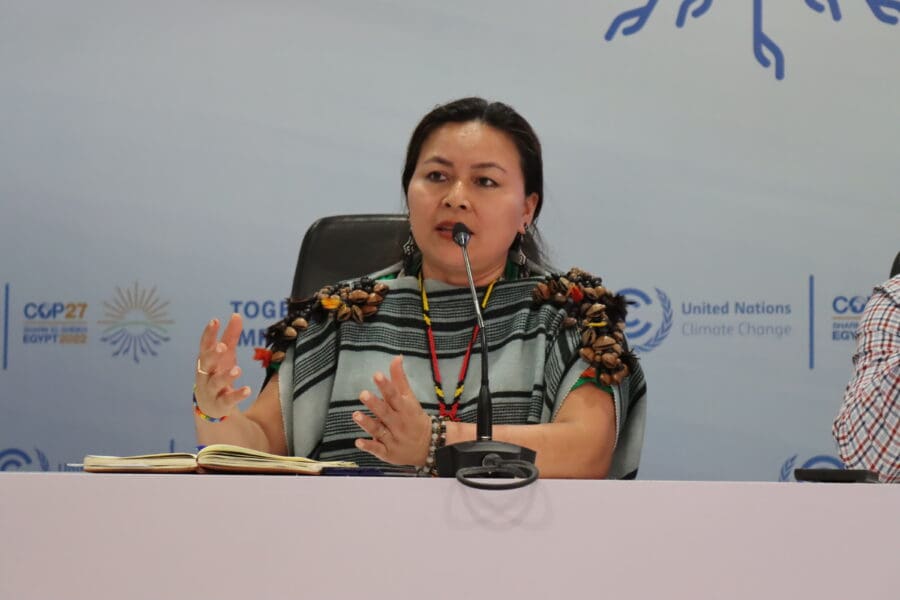
The secretary of the Board of Directors of the Interethnic Association for the Development of the Peruvian Jungle (AIDESEP) shares the challenges she had to overcome to become an Indigenous woman leader.
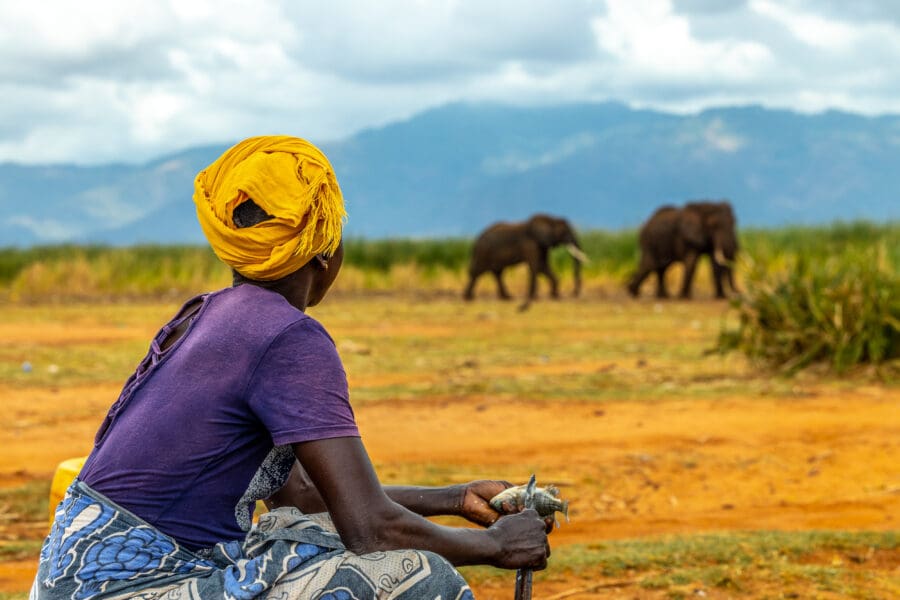
Decades after the world adopted what continues to be the most comprehensive roadmap for women’s rights, RRI’s latest report highlights enduring challenges in securing the rights of Indigenous, Afro-descendant, and local community women.
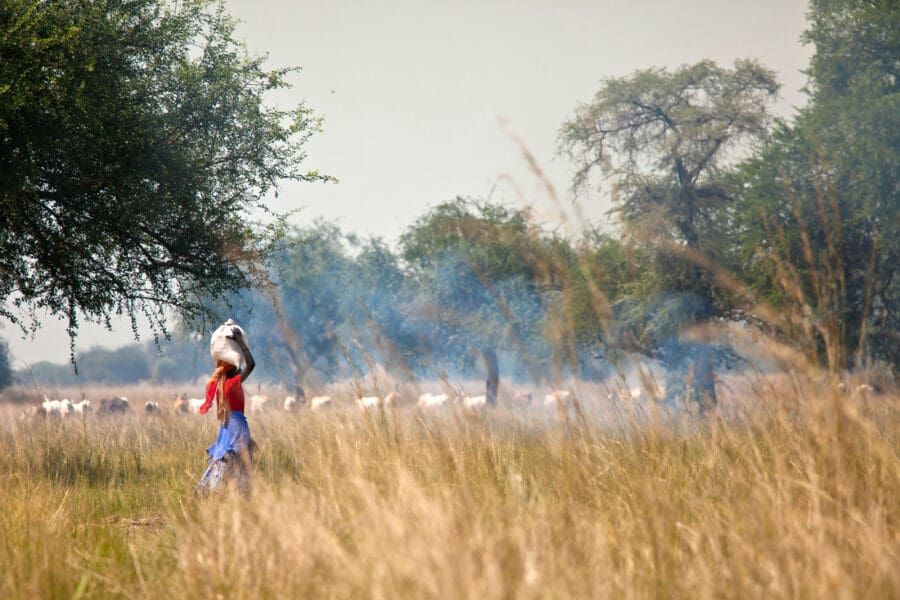
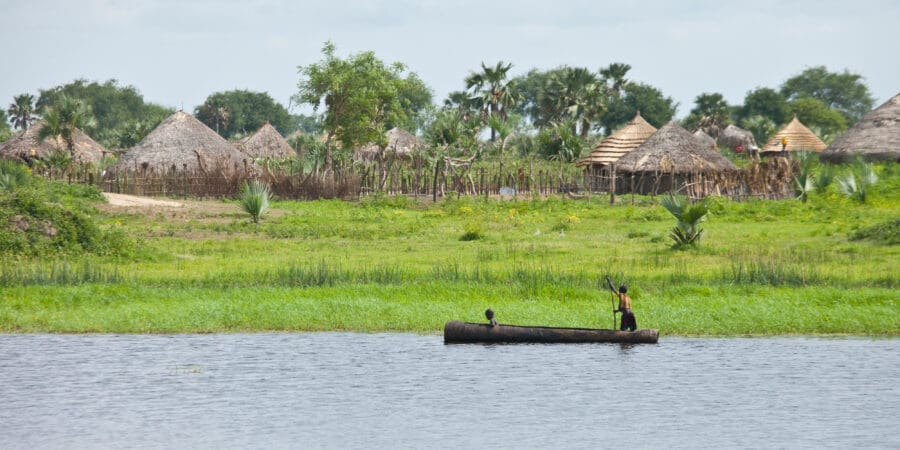
South Sudan, one of Africa’s most diverse countries and the world’s youngest Nation, is at a critical juncture. Despite being home to over 60 major ethnic groups, the country lacks a comprehensive land policy, leaving communities vulnerable to land grabs, exclusion, and conflict.
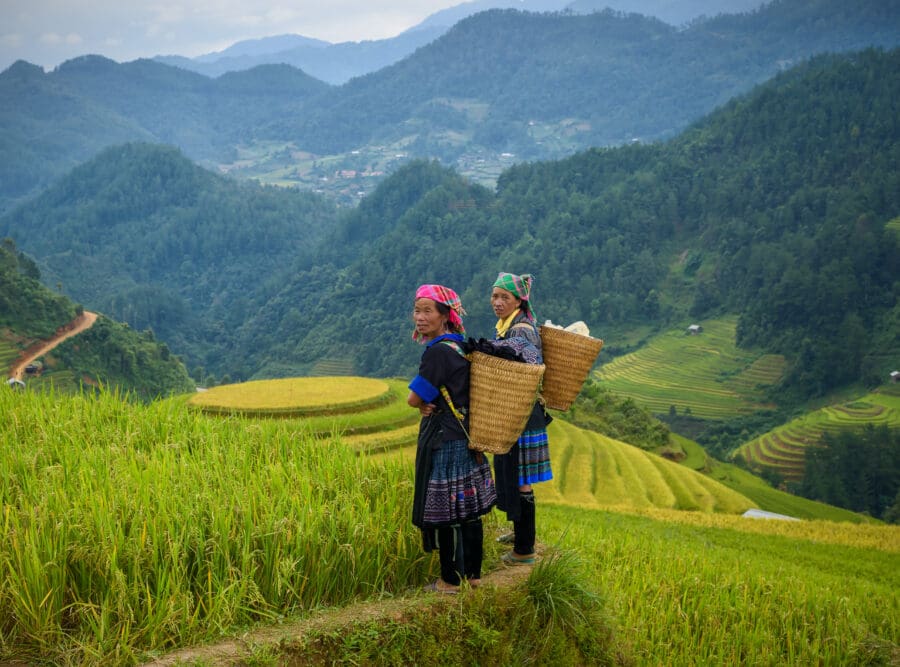
Have you ever wondered why people experiencing poverty in rural areas of the Global South tend to have insecure land tenure? If you have, you may have rightly concluded that the greed of powerful actors and colonialism are an important part of the story. But this barely begins to describe the forces that have strengthened and weakened tenure security across time for those with little voice and power.

As the fight for climate justice continues, acknowledging the connections between land, water, ecosystems, and human communities is critical for the realization of positive and lasting change.
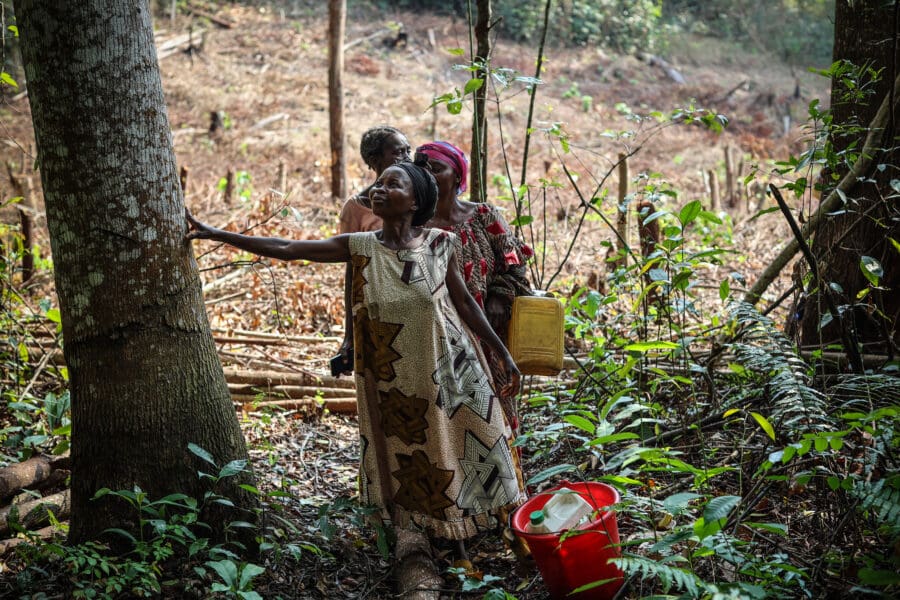
Building on the State of Funding report published in April 2024, this blog post shares important updates on finance for Indigenous Peoples', Afro-descendant Peoples', and local communities' tenure and forest guardianship and examples of how direct funding is already driving important progress in tropical forests and other key ecosystems.