


The world is turning its eyes toward Colombia as the new president, Iván Duque, takes office. Rights groups and peace activists are calling on the government to ensure that both the peace process and the country’s social leaders are protected.

RECENT ARTICLES
“Las comunidades negras no somos obstáculo para el desarrollo”
Se firmaron dos convenios, uno entre el PCN y la Agencia Nacional de Tierras, y el otro entre el PCN y el Fondo de Tenencia…
How can Nepal’s local communities benefit economically from their forests? Mexico’s “ejidos” model could open new doors
“Community forestry is a great development alternative, it improves green space, oxygen, water, and biodiversity. By doing community forestry we are ensuring a better future…
Rights not ‘fortress conservation’ key to save planet, says UN expert
The United Nations Special Rapporteur on indigenous peoples, Victoria Tauli-Corpuz, has released a report highly critical of the global conservation movement and calling for indigenous peoples and other local communities to have a greater say in protecting the world’s forests. Titled Cornered by Protected Areas and co-authored with the US-based NGO Rights and Resources Initiative (RRI), the report is an explicit condemnation of “fortress conservation.”
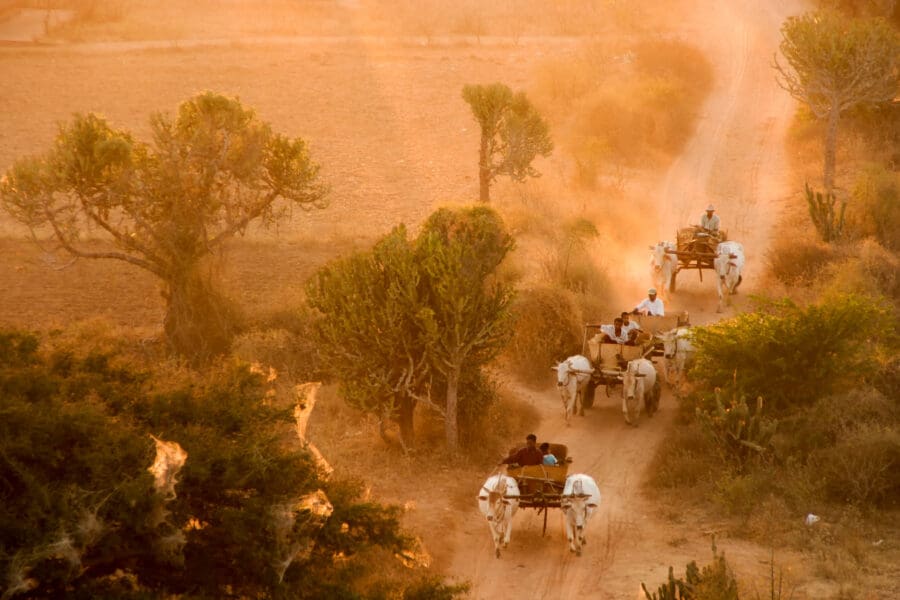
Q&A with Paul De Wit, Part 2: Lessons learned from engaging in policy reform in Myanmar
There are many NGOs, both national and international, that address land issues. They often focus on advocacy work, research related to land grabs, documentation and resolution of land-related conflicts, large-scale land acquisitions, government and military interaction with ethnic populations, forest degradation and illegal logging, and conservation issues. This work is essential for taking land issues forward in Myanmar. However, the nature of these engagements does not always enable collaborative work with public institutions, and sometimes results in confrontational positions with policy decision-makers.
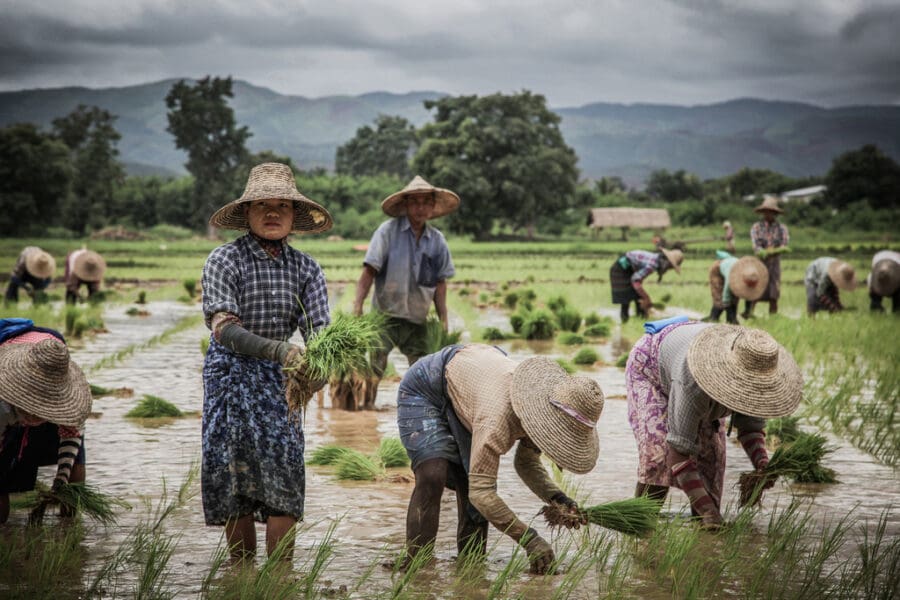
Q&A with Paul De Wit, Part 1: An overview of food security and nutrition challenges in Myanmar
Although major improvements were achieved over the last 10 years, Myanmar continues to have high levels of malnutrition. The phenomenon—of high stunting and anemia rates, overall malnutrition, an unbalanced and rice-dominant diet, and a focus on the development of the rice sector—is one that can be seen across Southeast Asia, similarly occurring in countries like Laos and Cambodia. So, the question becomes how these countries can create an enabling environment for producing and making available the necessary ingredients for a more diversified and nutrient rich diet.
Q&A: Why conservation must include indigenous rights
Indigenous peoples and local communities conserve lands and forests for a quarter of the cost of public and private investments in protected areas, according to new findings released at the Oslo Tropical Forest Forum last week, yet “fortress conservation” strategies often see indigenous peoples driven from their land in an effort to protect it from human activity.
Forest conservation: indigenous peoples invest less than other agencies, but achieve equal outcome
Throwing weight behind the demands of indigenous peoples and activists, a new research by Washington-based Rights and Resources Initiative (RRI) has found that indigenous peoples and local communities are able to achieve equivalent conservation outcomes by investing only a fraction of the total money spent on conservation by all other agencies.
Investing in indigenous communities is most efficient way to protect forests, report finds
The best way to save forests and curb biodiversity loss is to recognize the claims of indigenous peoples to their territories, a new report urges. Published by the Rights and Resources Initiative (RRI), an international NGO headquartered in Washington, and Victoria Tauli-Corpuz, the UN special rapporteur on indigenous rights, the 28-nation study compares conservation outcomes in lands controlled by indigenous groups against those in government-managed “protection zones.”
Indigenous communities practice effective forest conservation, but remain excluded from policy
The world today is in the grip of an existential crisis in more ways than one. The future of the Blue Planet has never before been clouded with more ominous portents. Yet some of its oldest inhabitants and indigenous peoples perhaps have been the best guardians of its natural resources, and a new report only confirms this. It is the indigenous peoples who have “long stewarded and protected the world’s forests, a crucial bulwark against climate change.”
Forests Comprise Large Part of Climate Solution But Receive Meagre Investment
Despite legal insecurity, local indigenous communities worldwide invest up to 4.5 billion dollars per year in conservation, as much as 23 percent of the amount spent on land and forest conservation by the formal environmental community, said the report.
‘Cornered’ indigenous groups invest billions in conservation: Study
Millions of indigenous peoples in forested countries, including Indonesia, are continuing to suffer from harsh conservation policies despite having played a crucial role in protecting the environment, a new study has revealed.
The Most Read Stories
Subscribe to the Gender Justice Digest
to receive new articles directly in your inbox
Subscribe Now!