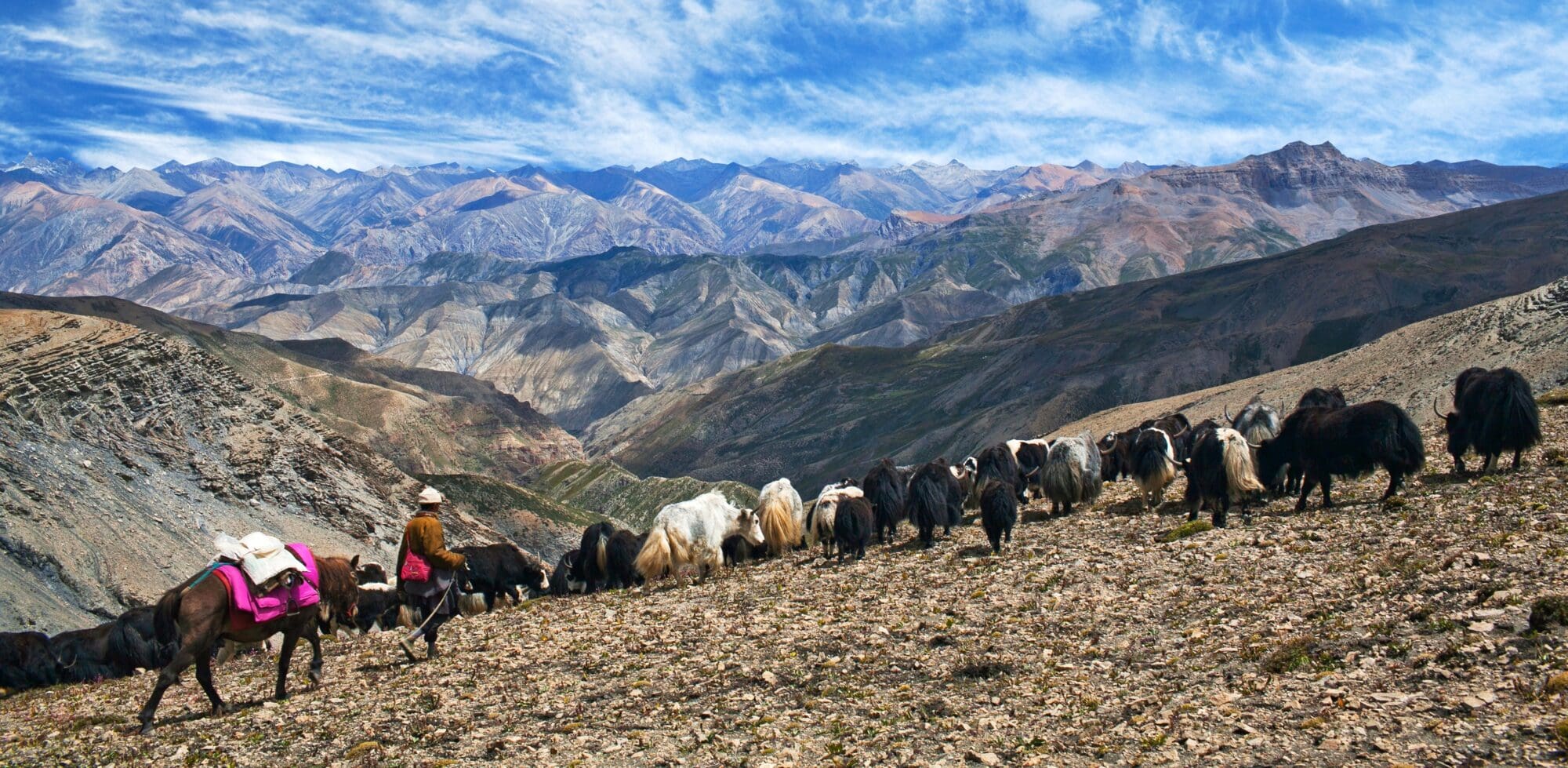
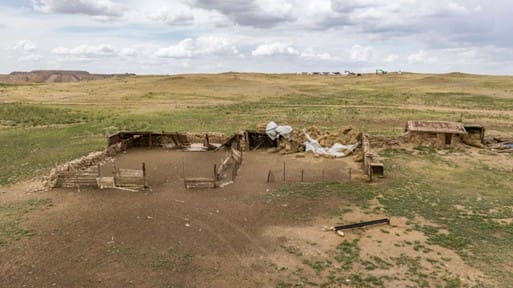
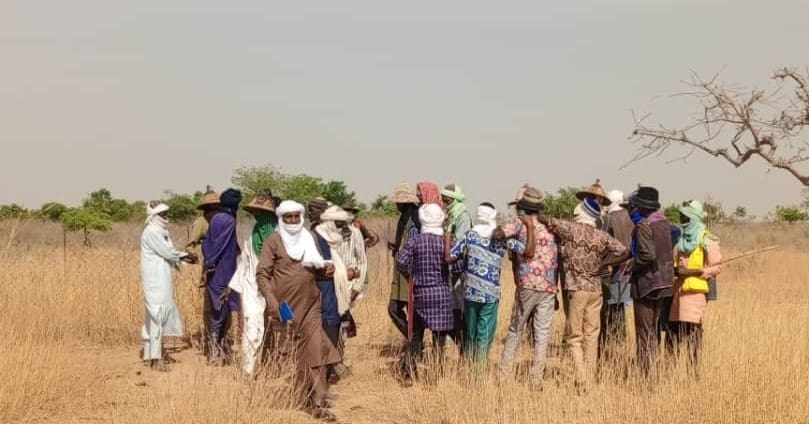
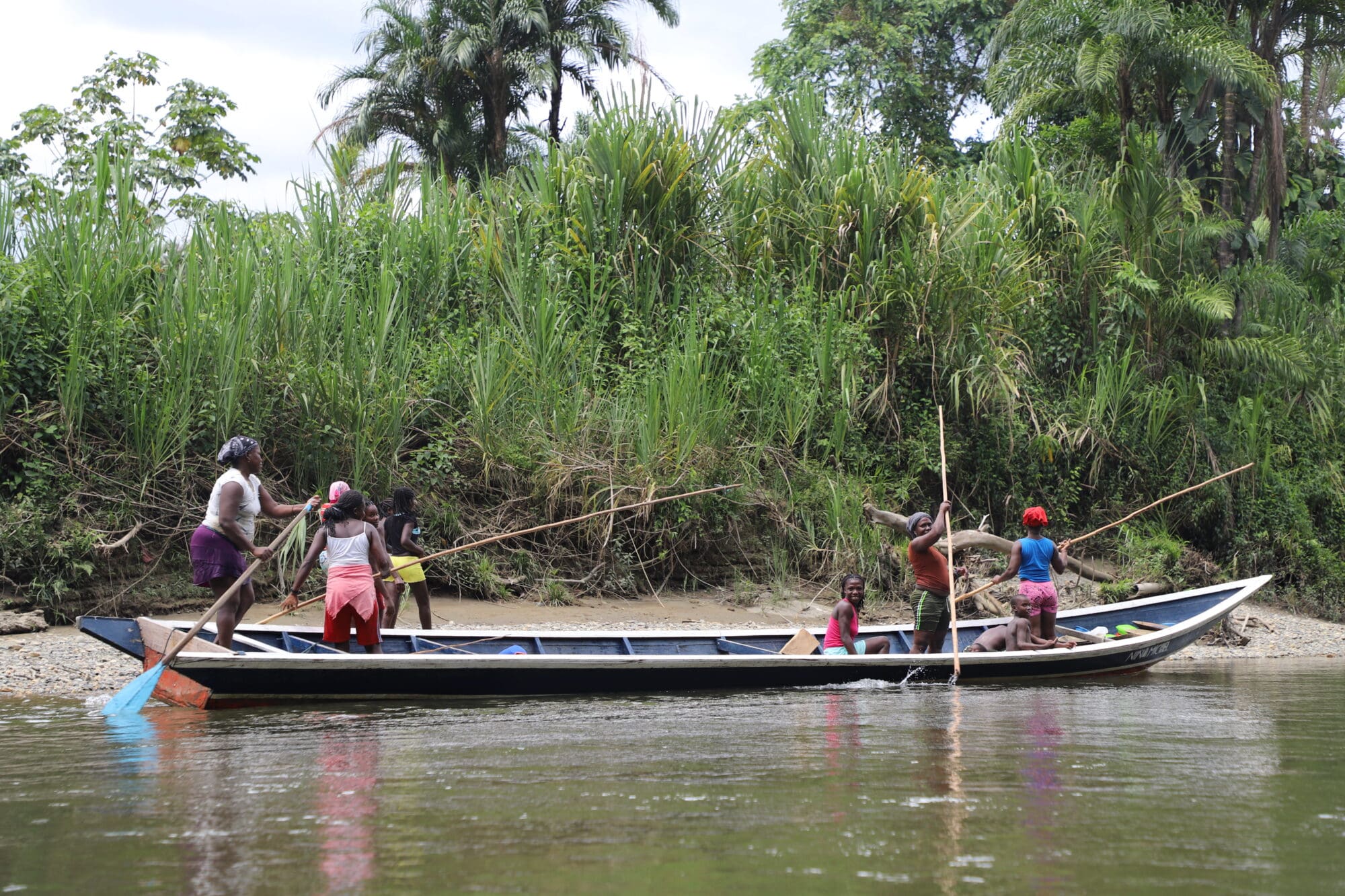
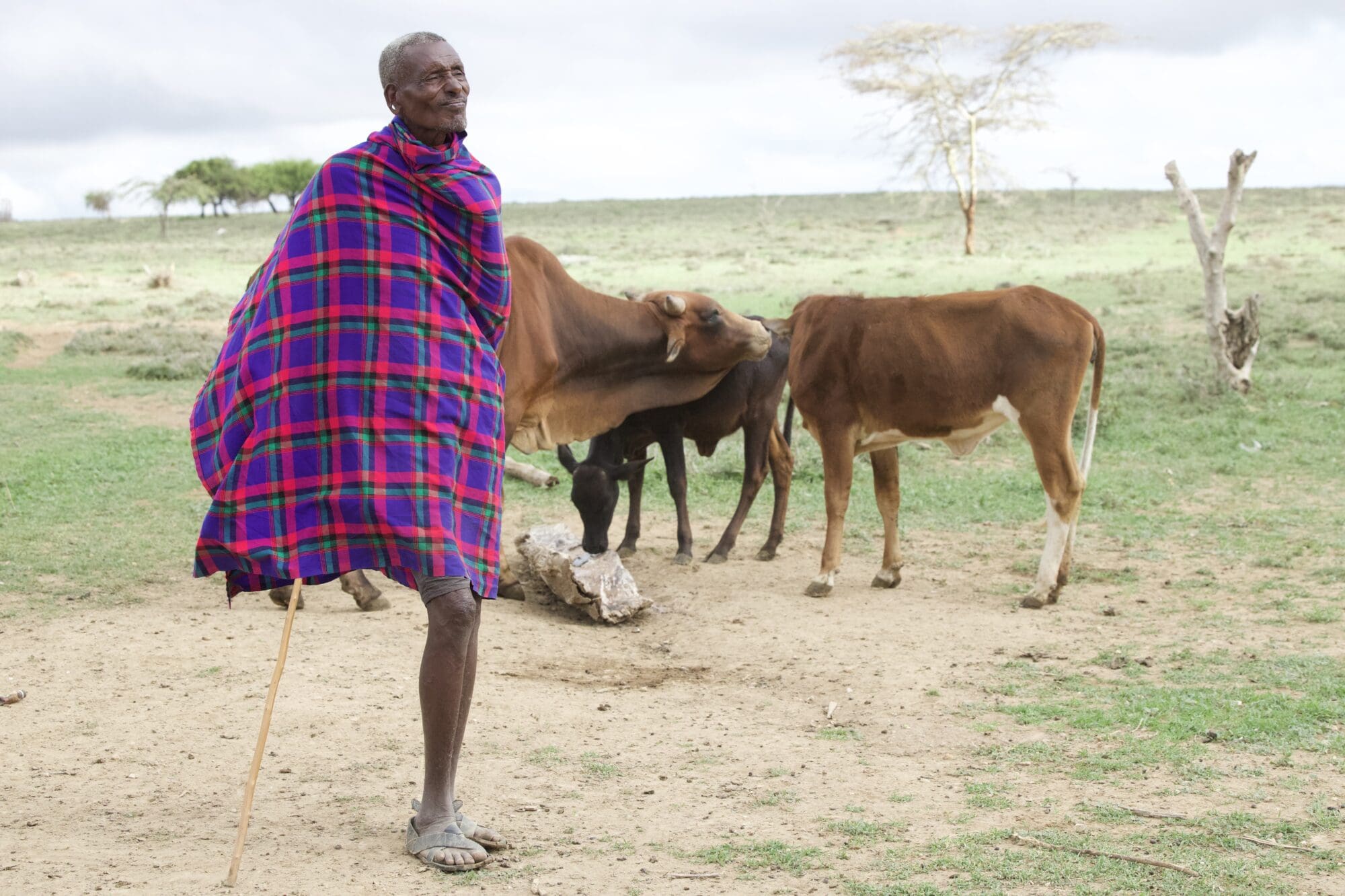
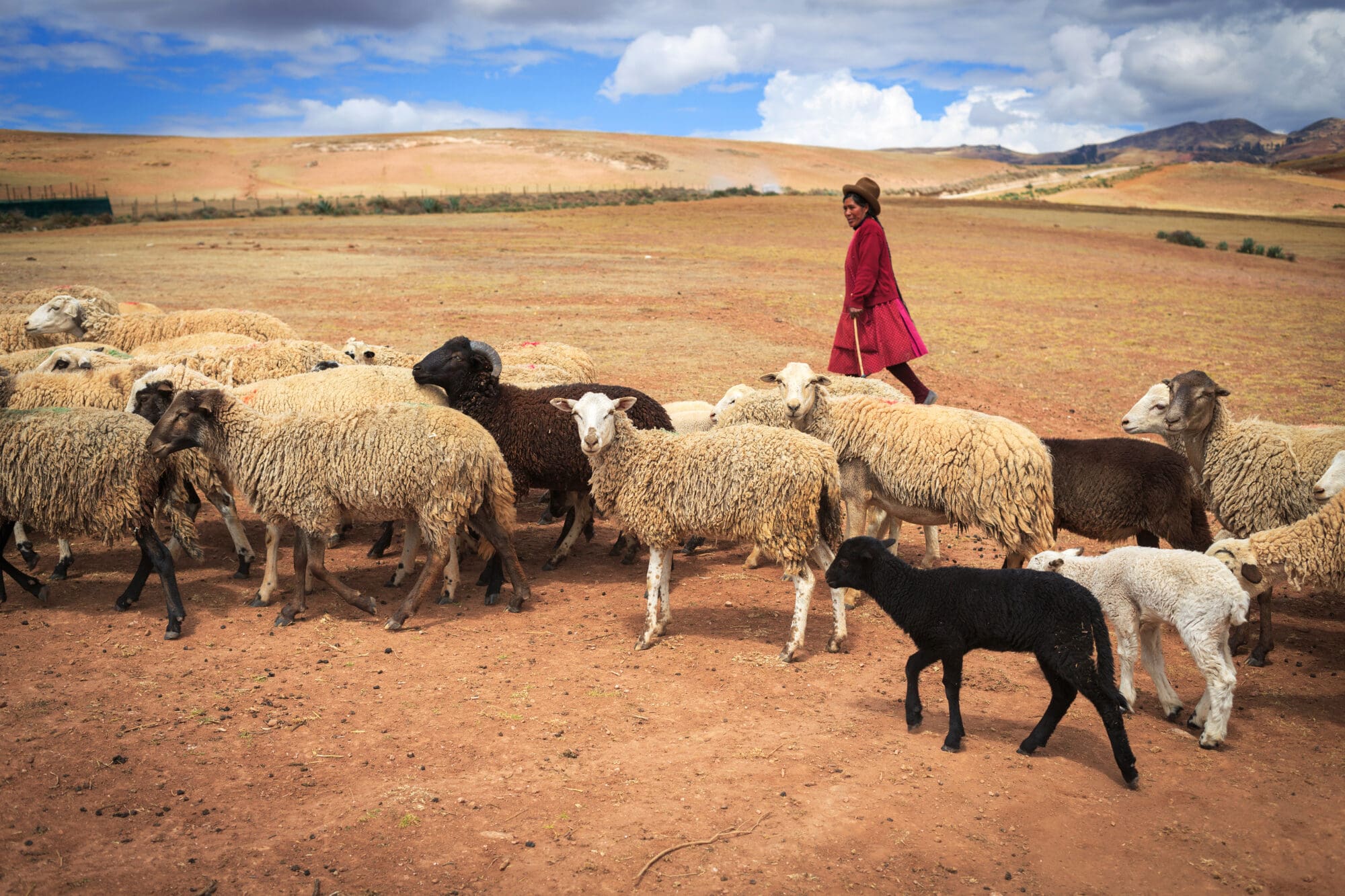
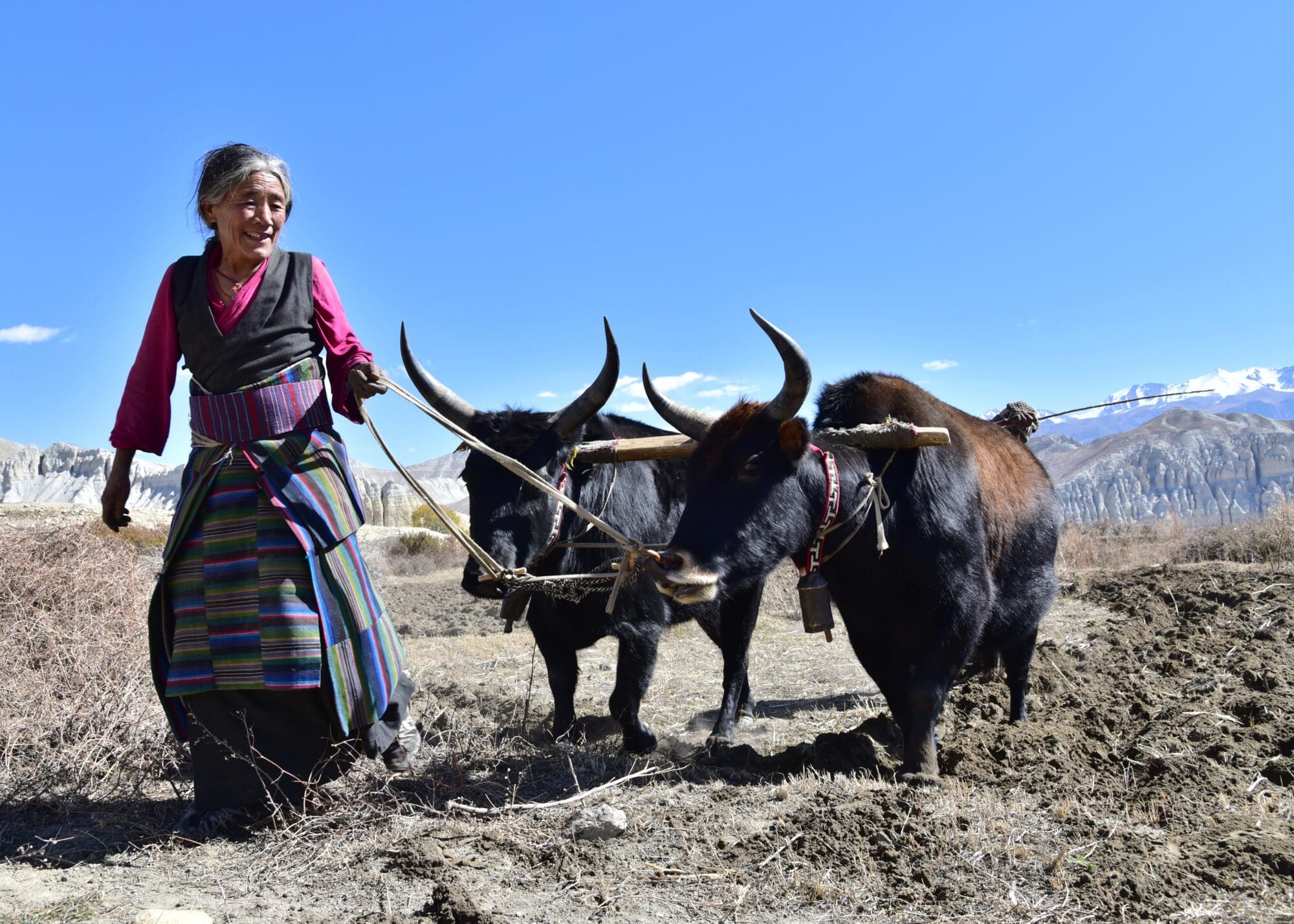
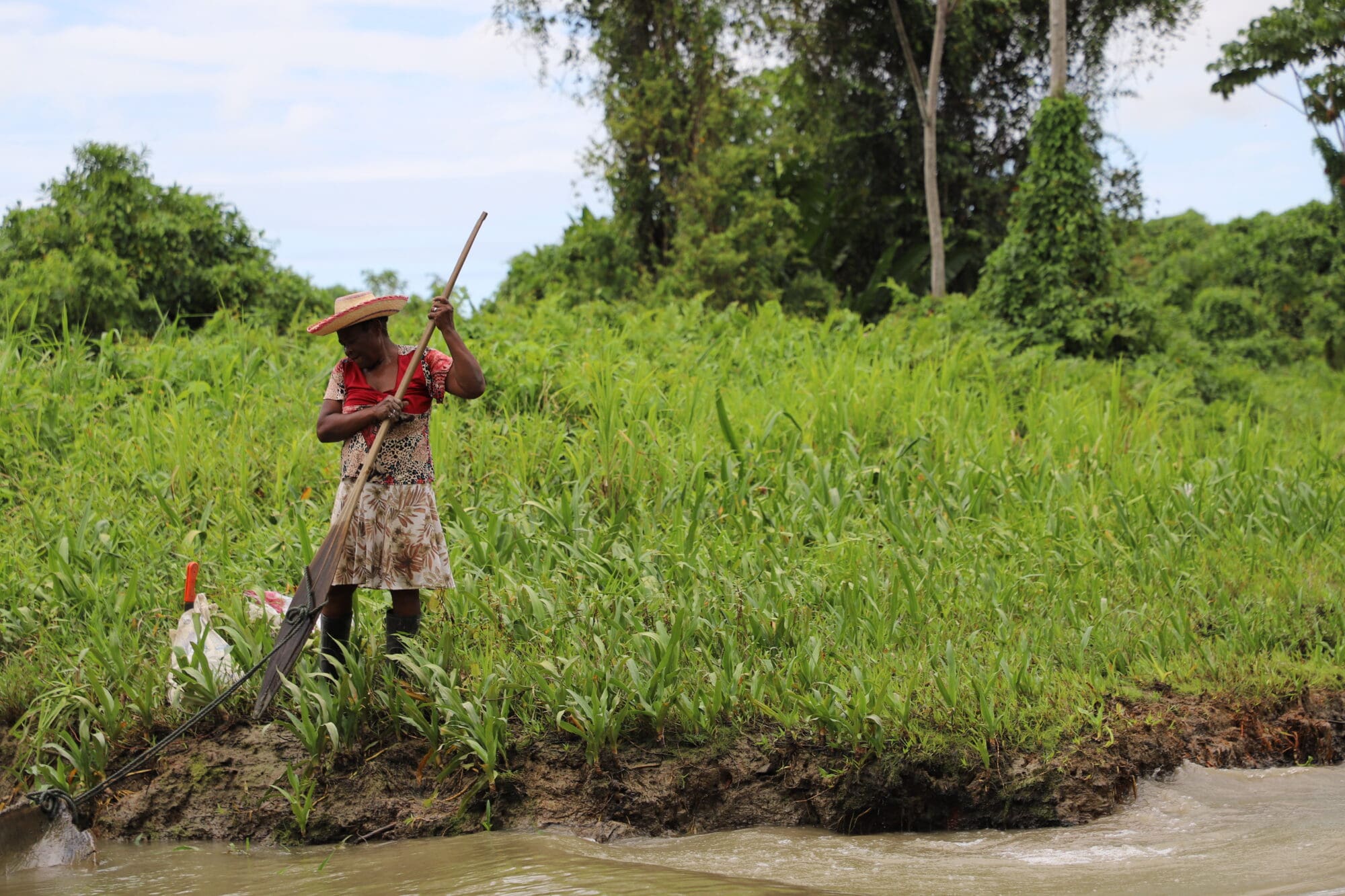
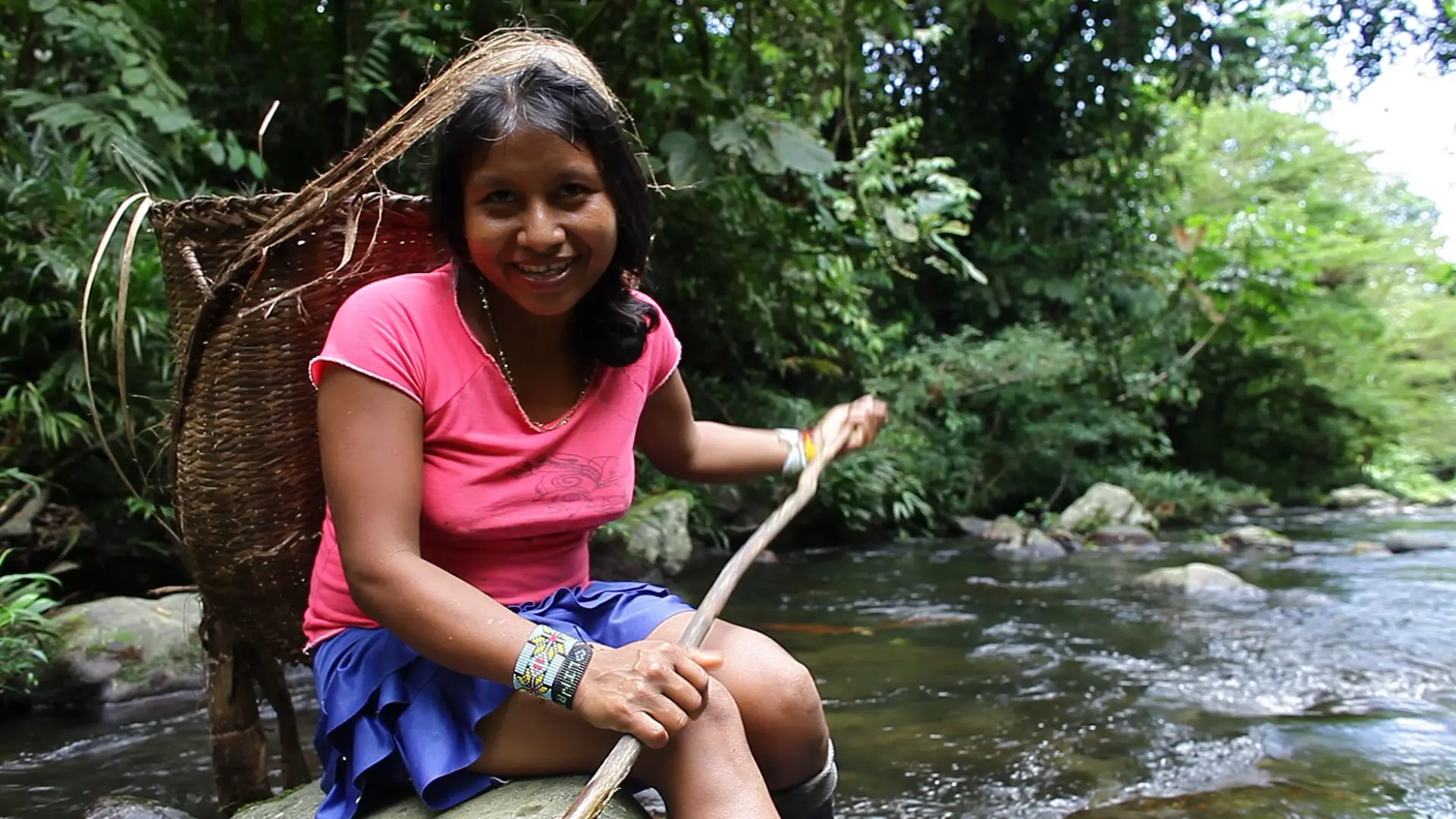
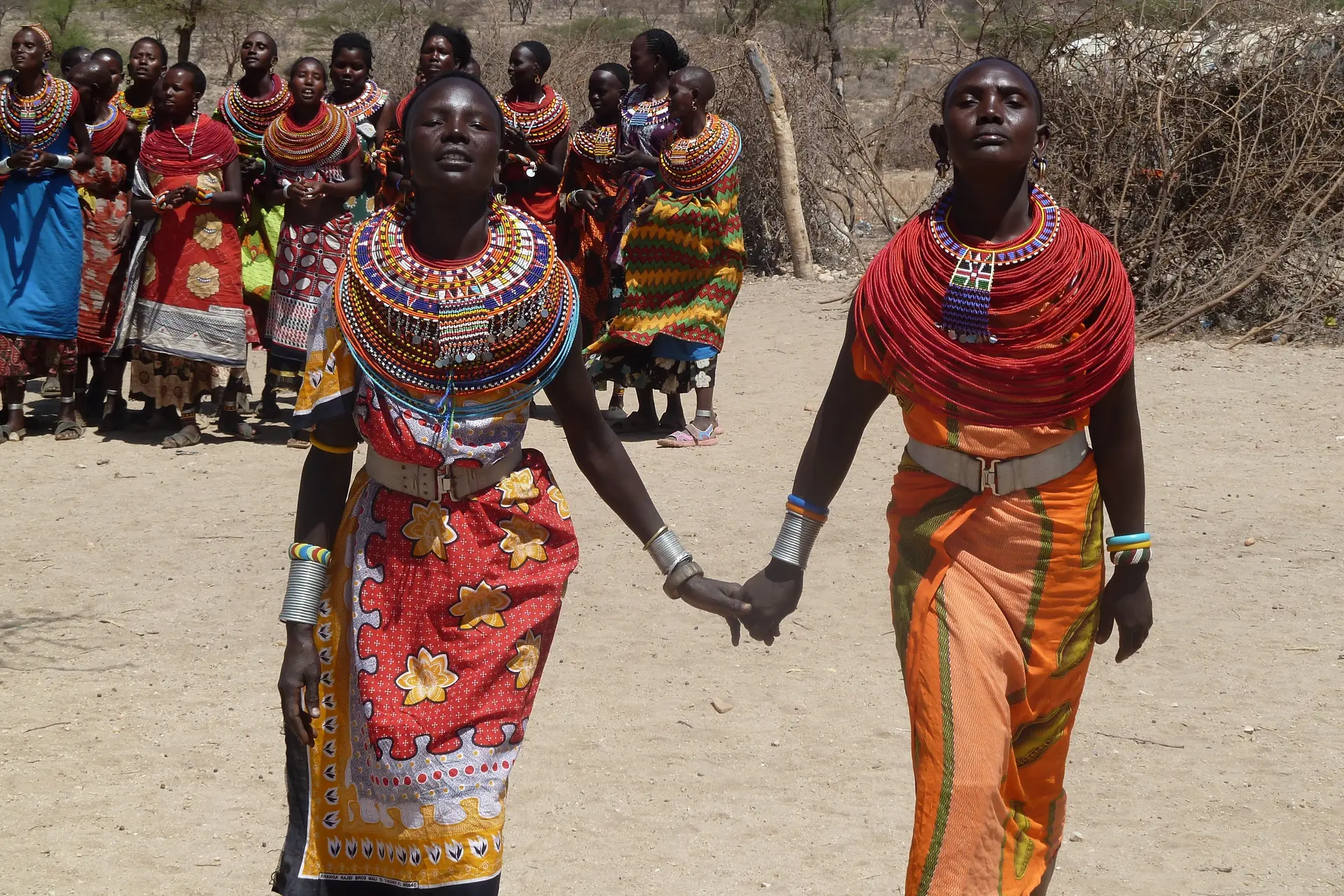
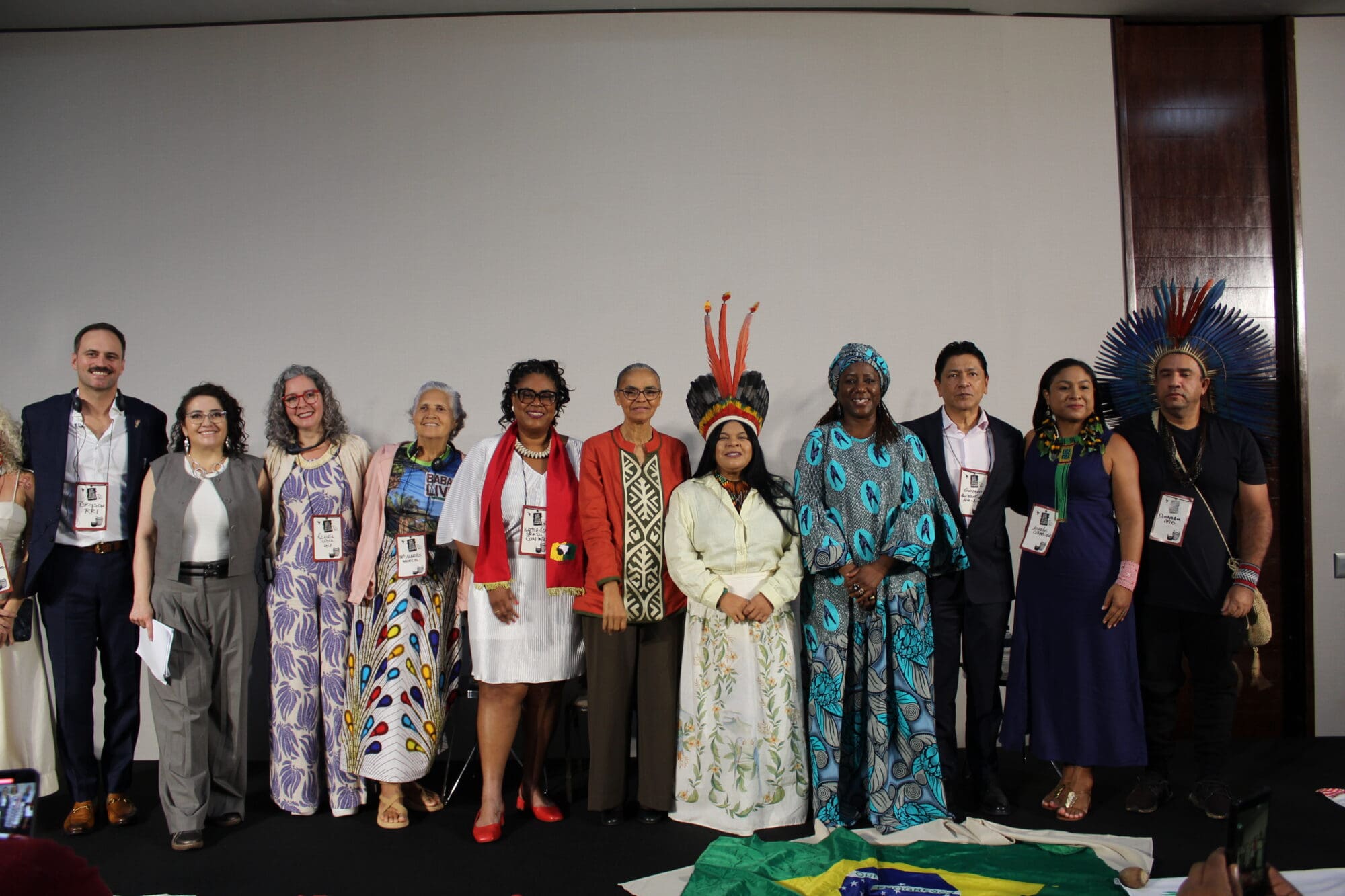
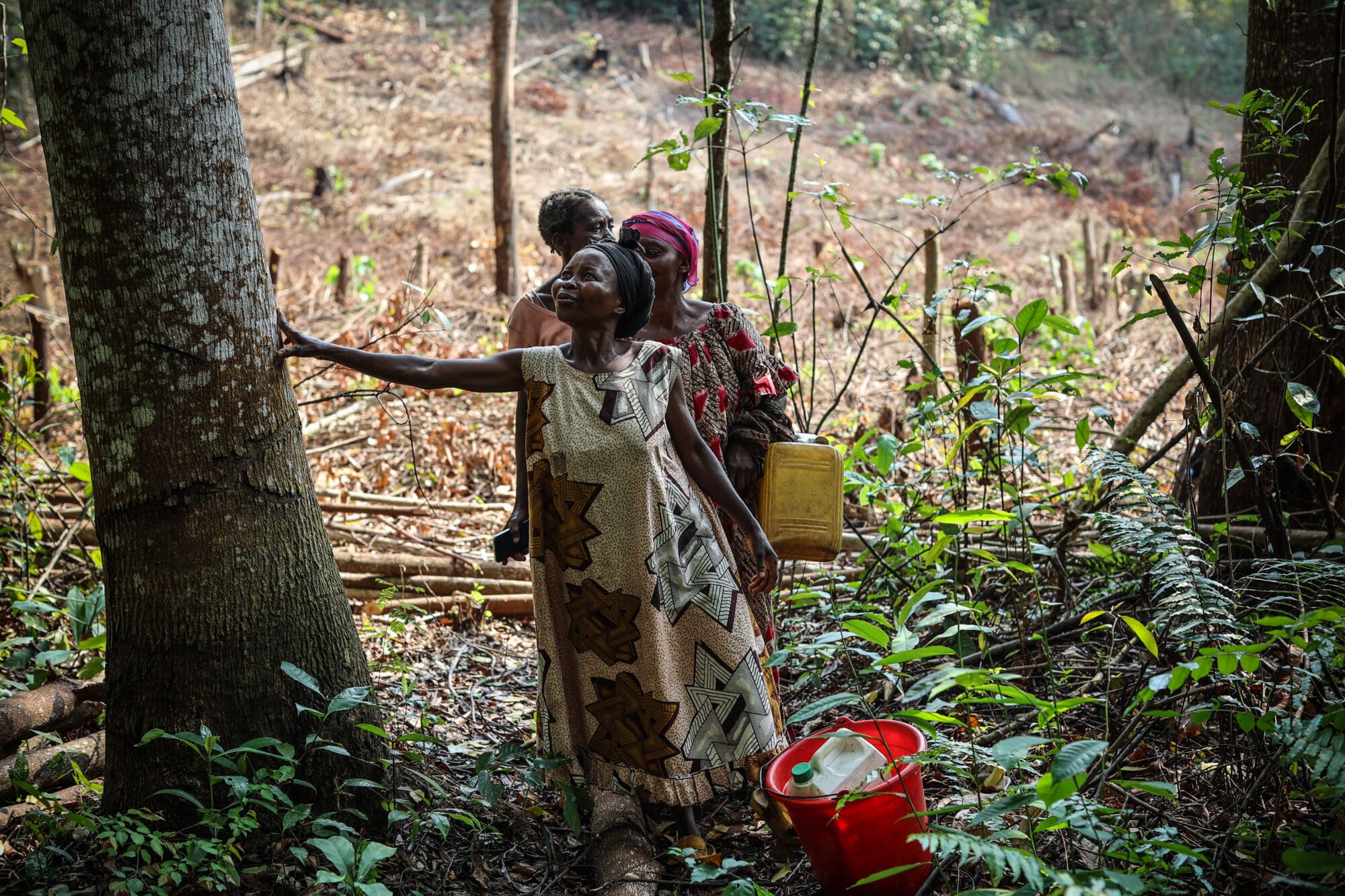
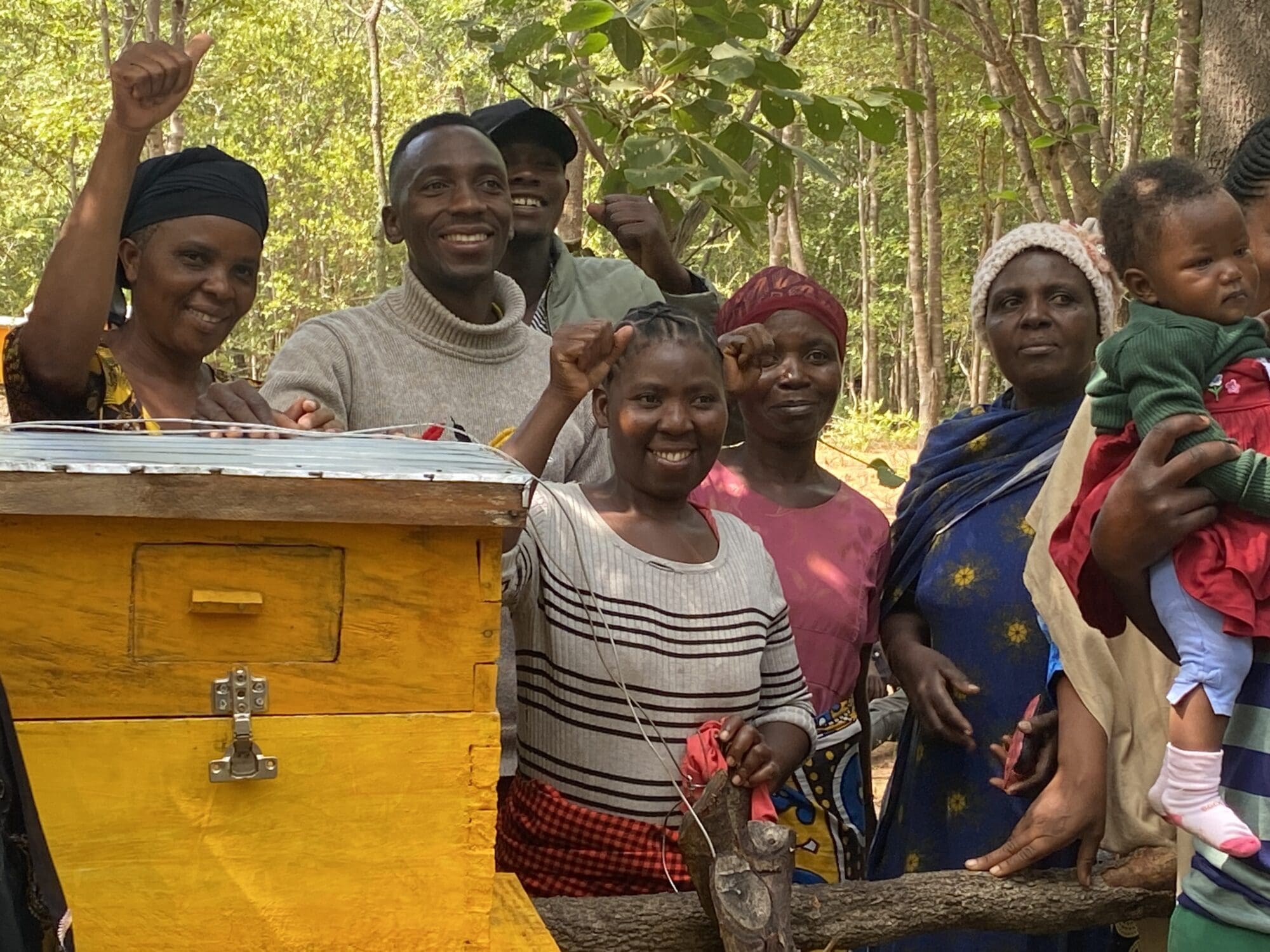
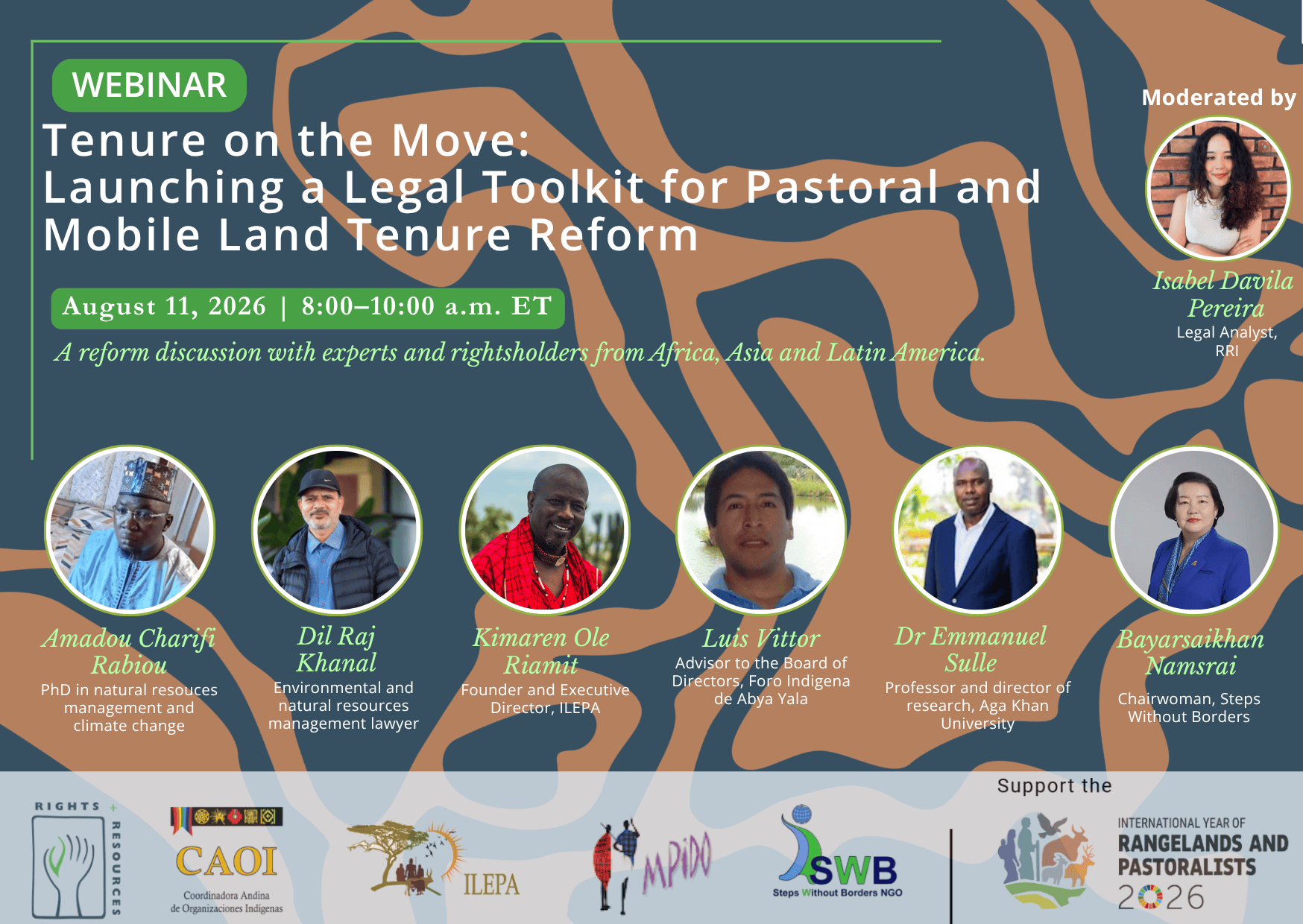
At UNCCD COP17, taking place in Ulaanbaatar, Mongolia, from August 17 to 28, 2026, the Rights and Resources Initiative (RRI) will champion the message that pastoralists, Mobile Peoples, Indigenous Peoples, Afro-descendant Peoples, and local communities—especially women and youth—are proven leaders of land and resource stewardship whose secure tenure rights are essential to achieving global biodiversity, climate, and land restoration goals.
As governments, donors, the private sector, and civil society gather in Ulaanbaatar, the timing is especially significant as 2026 marks the International Year of Rangelands and Pastoralists. Governments are also facing increasing pressure to deliver on global climate, biodiversity, and land restoration commitments by 2030.
Across all themes, RRI’s engagements will: (1) promote land tenure recognition as a moral imperative to achieving global goals; (2) elevate the voices of pastoralists and Mobile Peoples as solution-holders; and (3) advocate land governance as a standing UNCCD agenda item. Through evidence, storytelling, and global media outreach, RRI will ensure that the world’s attention remains on those who protect the planet every day: Earth’s defenders.