
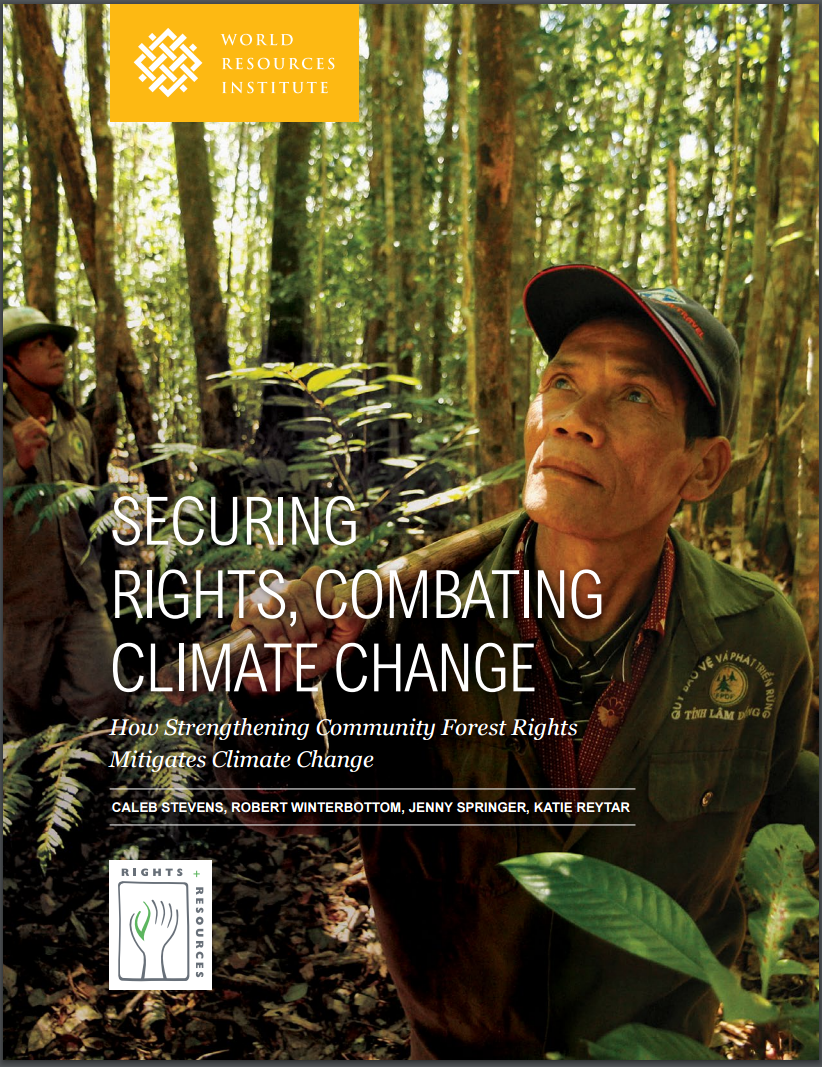

An analysis of the growing body of evidence linking community forest rights with healthier forests and lower carbon dioxide (CO2) emissions from deforestation and forest degradation.
While governments are increasingly recognizing local ownership and control of forests, forest tenure arrangements remain in dispute or unclear in many places, including low, middle, and high income countries.
While there were many encouraging pronouncements in 2013—from courts, governments, and some of the world’s largest corporations —unfortunately, progress for community land rights on the ground remains very limited.
In order to strengthen collective efforts to address these challenges and capitalize on current opportunities to scale up community land rights around the world, from…

A legal analysis of the national legislation assessing whether these legal systems recognize the community rights to access, withdraw, manage, exclude and alienate to forest resources and land.
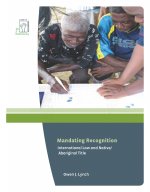
This essay identifies, summarizes, and analyzes leading international and national laws and judicial cases recognizing or otherwise supportive of native/aboriginal title.
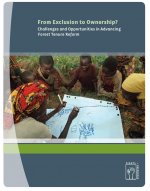
This report measures whether governments have continued to reduce their legal ownership and control of the world’s forests from 2002 – 2008, and assesses the implications of forest tenure change for forest peoples, governments, and the global community.
The questions of who owns the forests, who claims them, who has access to them and further, who should own them, are hotly contested in many forest regions of the world.