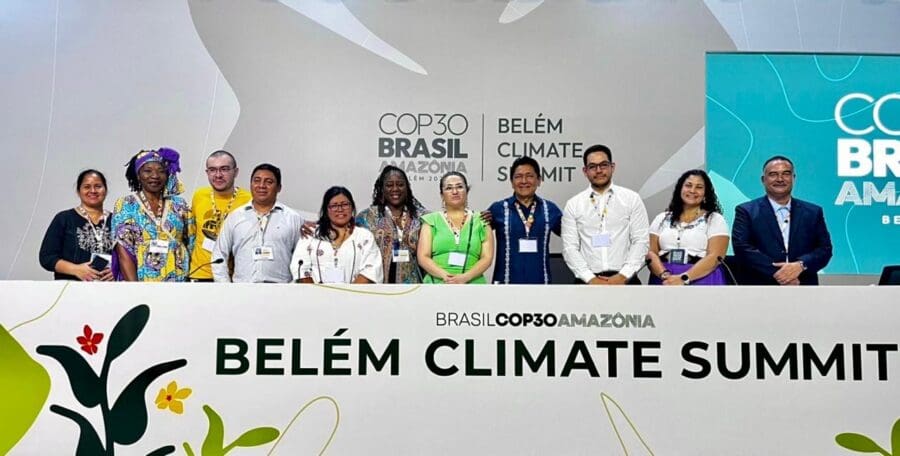
Local communities across Latin America, Africa, and Asia made key advances in increasing their effective representation in global climate negotiations and policies at the recently concluded 30th UN Climate Change Conference, including by launching the Global Forum of Local Communities on Climate Change (GFLCC). However, concrete recognition for these communities as stakeholders within the UNFCCC framework remained a missed opportunity.
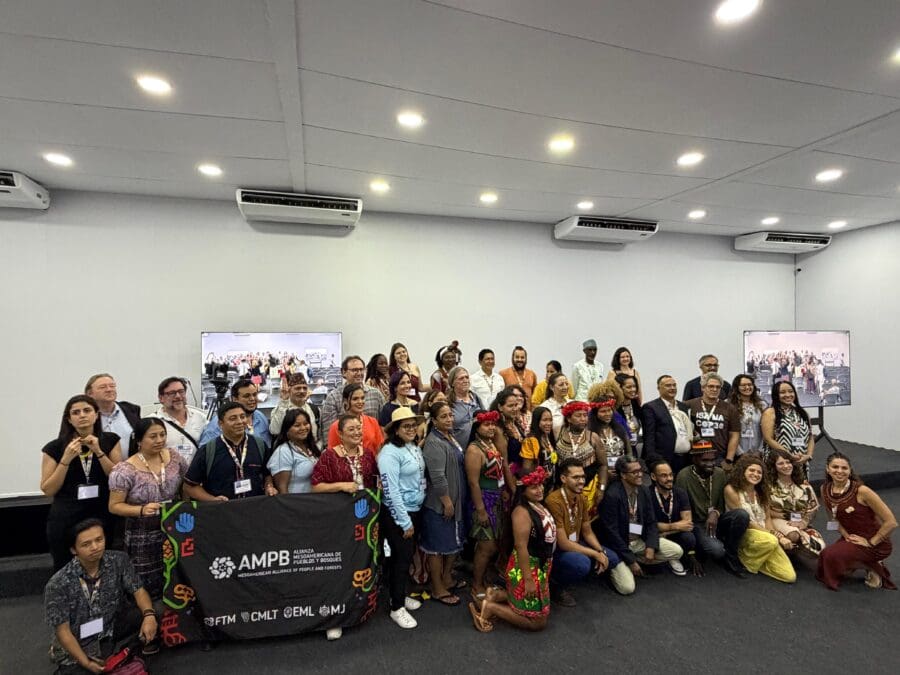
“The Global Forum of Local Communities has just been launched in Belém with a governance structure composed of representatives from three continents: Africa, Latin America and the Caribbean, and Asia,” said Cécile Bibiane Ndjebet, president and founder of the African Women’s Network for Community Forest Management (REFACOF). “It demonstrates the capacity of local community groups to self-organize, their determination to make their voices heard, and to assert their rights in all UNFCCC mechanisms. The Convention can now have representatives who will speak and act on behalf of all local communities around the world.”
Local communities are currently recognized by the UN system through the Local Communities and Indigenous Peoples Platform (LCIPP) but lack a dedicated framework for participation or dynamics of self-organization. The GFLCCC will work to address the systemic barriers these communities face to protect and manage their territories and rights. This follows years of concerted advocacy and dialogue supported by the Rights and Resources Initiative (RRI), the world’s largest solidarity network and coalition of Indigenous Peoples, local communities, and Afro-descendant Peoples and their allies.
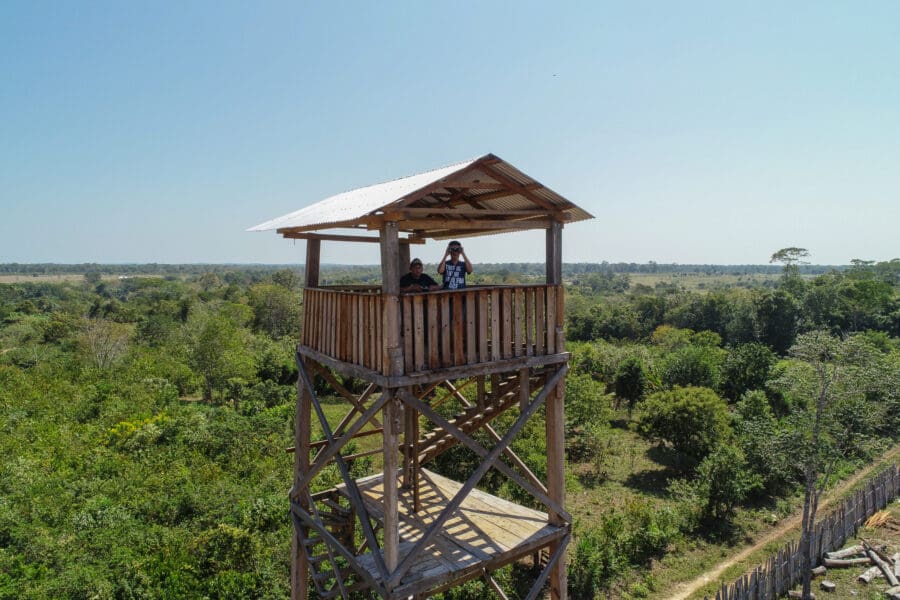
Gustavo Sánchez, president of Red MOCAF, a network of community forestry organizations in Mexico, and member of the Board of Directors of the Mesoamerican Alliance of Peoples and Forests (AMPB), said: “At COP30, the Parties agreed to continue consultations and discussions on how to open up spaces for local communities’ participation, but the real progress lies in the creation of a space for coordination between local communities around the world, and I want to say that our brothers and sisters from the Traditional Community organizations in Brazil were excellent hosts and contributed enormously to making this happen.”
Who are “local communities?”
The term “local communities” refers to groups that collectively hold and use territory and resources under customary or legal systems, but who do not identify as Indigenous. This year, the GFLCCC organizations approved criteria for these communities’ self-identification, which include having collective territorial ties, practicing community-based governance, and having shared ancestry and knowledge systems that inform their livelihoods, biodiversity conservation, and distinct cultural practices that do not rely on formal state recognition.
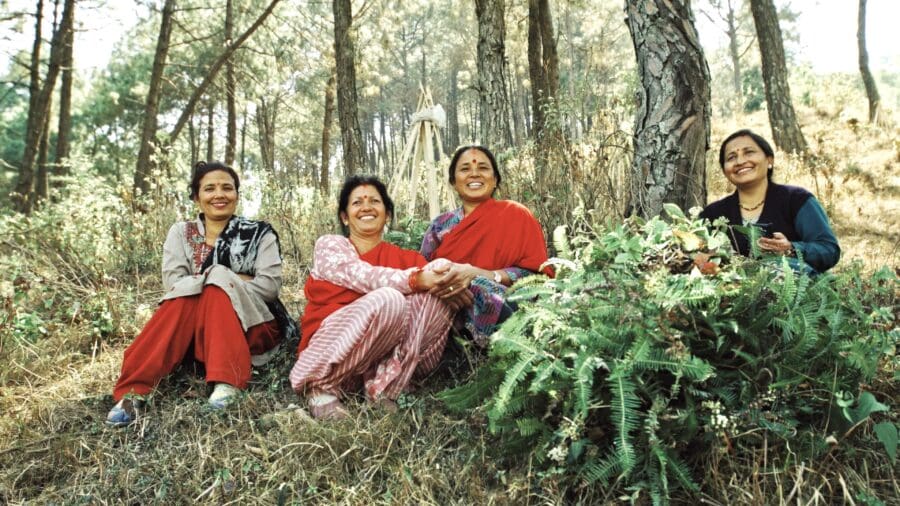
Along with launching their own proposed permanent political space within climate negotiations, local community leaders came to COP30 with a set of demands to continue asserting themselves as rightsholders, guardians of biodiversity, and essential actors in climate solutions based on territories, traditional knowledge, and sustainable ways of life. While community leaders attending the COP acknowledged steps taken to strengthen their engagement, they reiterated the persistent challenges in achieving effective representation within the UNFCCC framework, specifically in establishing a formal space for local communities’ autonomous participation in the Convention and its bodies.
Their five demands included:
- Formal recognition of the GFLCCC as a legitimate interlocutor of the UNFCCC.
- Creation of official channels for direct communication between the GFLCCC, the COP Presidency, the Secretariat, and the UN’s Local Communities and Indigenous Peoples Platform (LCIPP).
- Immediate inclusion of the GFLCCC in the dialogue mandated by Decision 14/CP.29 of COP29 in Baku, on the participation of local communities.
- Activation of the three seats allocated to local communities in the LCIPP Facilitative Working Group, with representatives appointed exclusively by the Forum/Caucus through a self-nomination process.
- Support to ensure effective representation of local communities from the Global South, overcoming financial, linguistic, and mobility barriers.
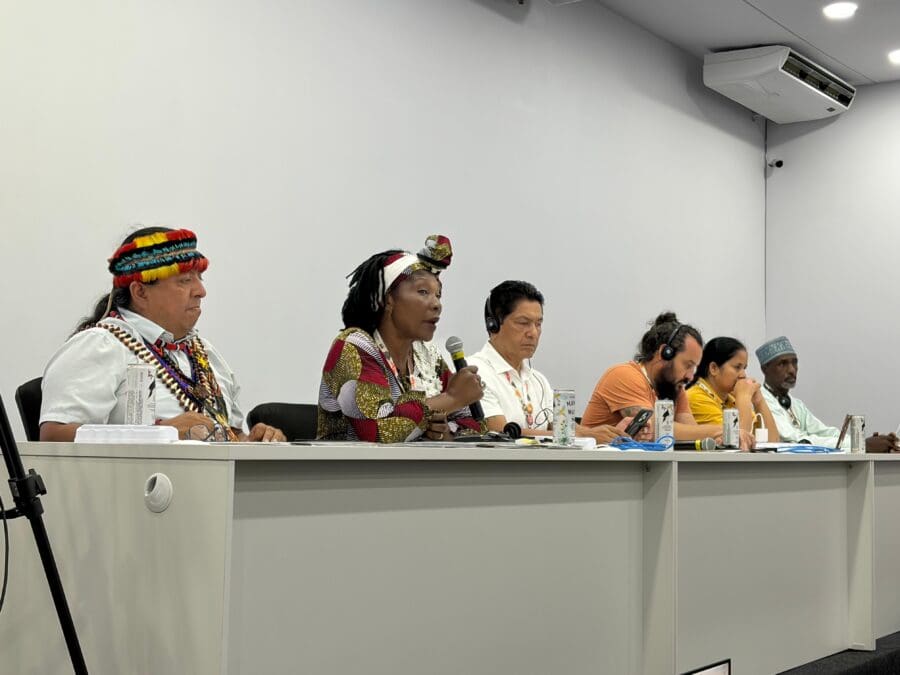
“We came to Belém hoping that the COP30 negotiations would lead to a broader highlight and recognition of local communities, including representation and respect for our contributions to environmental protection, conservation, and management,” said Bharati Pathak, executive advisor to the Women Rights and Resource Network (WRRN) of Nepal and former chair of the Federation of Community Forest User Groups Nepal (FECOFUN).
“Local communities have long been fighting for a space at the table in climate negotiations despite their profound contributions to sustaining the world’s ecosystems,” said Solange Bandiaky-Badji, president and coordinator of RRI. “COP30 opens the window, but not yet the door for their full participation, direct financing, and stronger protection of the territories they have stewarded for generations.”
About the Global Forum of Local Communities on Climate Change (GFLCCC)
The GFLCCC aims to establish a permanent, plural, self-organized, and autonomous political space for local community coordination at the global level. It is inspired by successful experiences such as the Indigenous Peoples Forum on Climate Change and the FAO Civil Society Mechanism, and it is guided by official UNFCCC procedures for the recognition of “Informal NGO Groups,” an initial step toward future recognition as a constituency.
The GFLCCC brings together organizations such as REFACOF, FECOFUN, Rede Cerrado, Utz Che’, Red MOCAF, Green Foundation Nepal, and Women Rights and Resource Network, among many others.