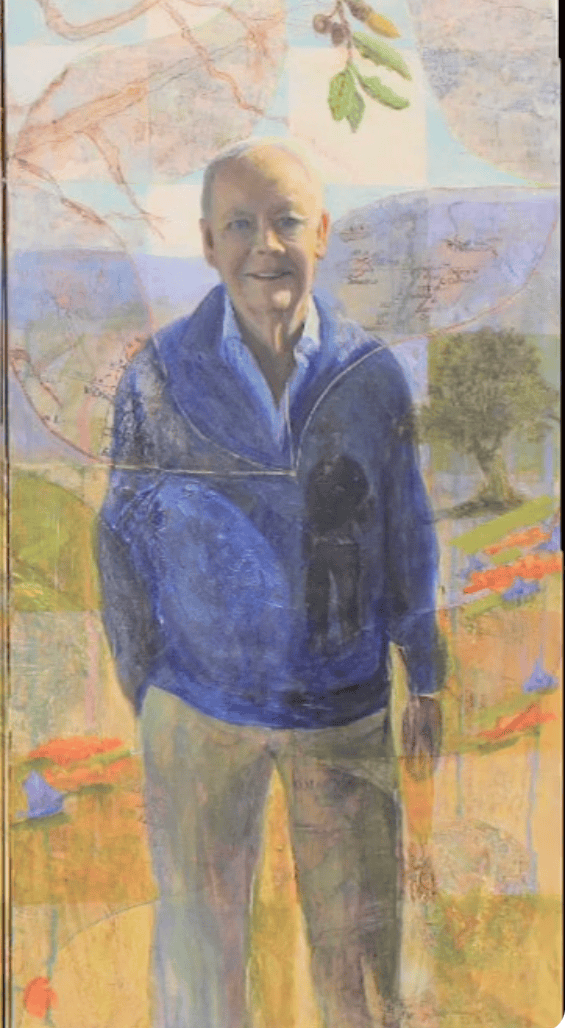
Hans Gregersen was an international leader in forest economics and played a central role in redefining forestry from a focus on top-down government and industrial use to one centered on people and communities, and their livelihoods, stewardship, and rights. Hans was the instigator and lead editor of the pathbreaking book People and Trees published by the World Bank in 1989. This publication elevated and made more visible the work and initiatives of local leaders and allies who had often not been seen as legitimate or influential in their national or international arenas and was the first major international publication that made a comprehensive case for international support for a people-centered approach to forests and forestry.
For more than five decades, Hans advised and shaped the projects and policies of the World Bank, the Food and Agriculture Organization of the United Nations (FAO), and other leading international organizations, authoring numerous publications and chairing numerous evaluations, committees, and initiatives. Hans also played a key role in getting forestry included into the CGIAR network of international research centers and the subsequent establishment of the Center for International Forestry Research (CIFOR) and the International Centre for Research in Agroforestry (ICRAF). Hans engaged in the world from his home base on the faculty at the Department of Forestry at the University of Minnesota, where he was a treasured friend and collaborator with other faculty and administrative staff. Hans was a member of the inaugural cohort of RRI Fellows where he advised, reviewed, or co-authored some of RRI’s first analytical works.
Hans was also an intellectual leader who fearlessly applied his clear, rigorous thinking to the complex problems and controversies facing forests and development. He designed more inclusive frameworks for analyzing the economic value of forests, watersheds, and development projects, approaches now widely adopted and mainstream. Hans was also an early and prominent advocate for social forestry as a key component of sustainable development and worked to get forestry and forest peoples into the international development goals. As a RRI Fellow, Hans was the lead author on an early analysis that questioned the economic logic underpinning REDD+ and factored in local peoples’ rights, and another analysis that made the case for much greater support for forest restoration—all unpopular positions at the time but which proved prescient.
In addition to his many contributions, Hans trained and mentored dozens of graduate students—many of whom expanded his big-hearted view of forestry across the world. Hans taught all the priorities of focusing on solving real problems that affected people’s lives; of working with humility and ambition; of the necessity of rigorous thinking and clear writing; and of seizing every opportunity to “get things going in the right direction.”
And perhaps most important and influential was Hans’ incessant and infectious positive spirit. He was a happy warrior, always a joy to be with, and enthusiastic about the possibilities of whatever you were working on. Hans was the consummate collaborator, team builder, and supporter. He always wanted to work with others, and the more diverse the group, the better. He believed that thinking together and writing together would produce the best outcomes and was also much more fun. One of his favorite dictums was “writing is an iterative process of successive approximations”—a saying which may have been discouraging for a student or colleague to hear in the moment but was an essential lesson for those committed to respect, quality, and impact. Hans’ uplifting and encouraging approach was captured in his farewell message at the end of all meetings and communications: “Upward and onward!”
Indeed, the world of forestry has transformed since Hans and colleagues wrote People and Trees. Social forestry is now the standard approach of international development organizations and many millions more hectares of forest are now legally owned and stewarded by Indigenous Peoples, Afro-descendant Peoples, and local communities who can utilize their forests for their own livelihoods—reinforcing the respect they deserve and strengthening their organizations and hope for the future. Hans would be the first to say that there is much more to be done, especially with the new challenge of climate change that he focused on toward the end of his career, but he played a pivotal role in pushing open the door, demonstrating the possibility of making systemic change, and getting the transformation of forestry going in the right direction.
From the bottom of our heart: our gratitude and condolences to Hans’ family and his many friends around the world; and thank you, again, Hans Gregersen. Upward and onward!