

The Kichwa People of Pastaza in the Ecuadorian Amazon have lived and thrived in the forest for centuries, but as society changes and newer generations disengage from the culture, it has become difficult to maintain and pass down their traditions. That is why, in 2022, a group of Kichwa women ceramicists founded the artisan collective called Sinchi Muskuyuk Warmi.

2025 was a deeply challenging year for our sector, testing our coalition in unprecedented ways. But despite this, our coalition members claimed some major wins through their remarkable courage and resilience.
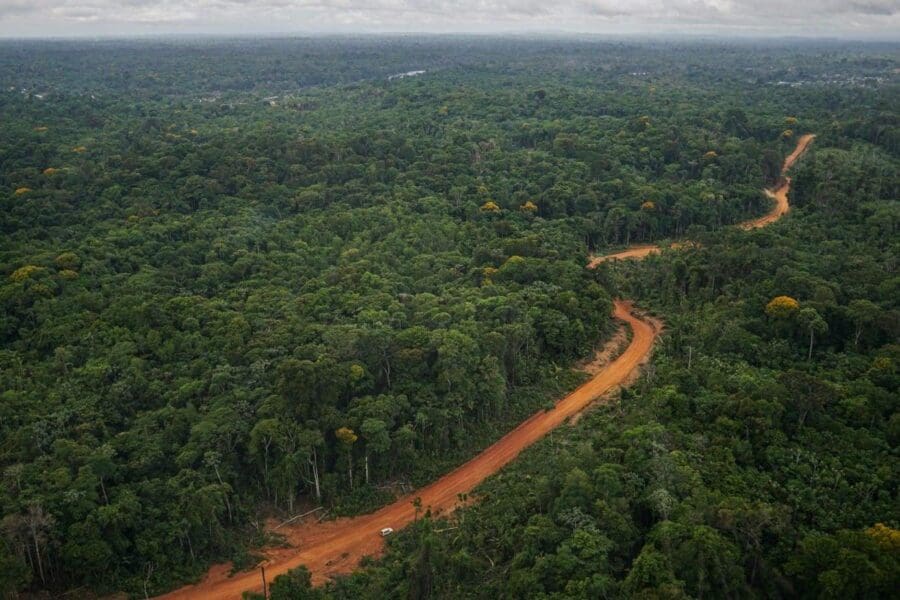
The Surinamese Government has allowed the construction of a large road and extensive logging in the Saamaka territory without local peoples' consent, in violation of orders from the Inter-American Court of Human Rights. We are calling on the international community to #StandWithSaamakaPeople to protect over 1 million hectares of the Amazonian rainforest.

How the carbon market is affecting the territories of more than 200 families in the Ecuadorian Andes
Eight local communities in northern Ecuador are victims of so-called "green grabbing" by a private environmental services company. To defend their customary rights in the absence of collective land titles, the communities have launched an advocacy campaign with RRI’s support.
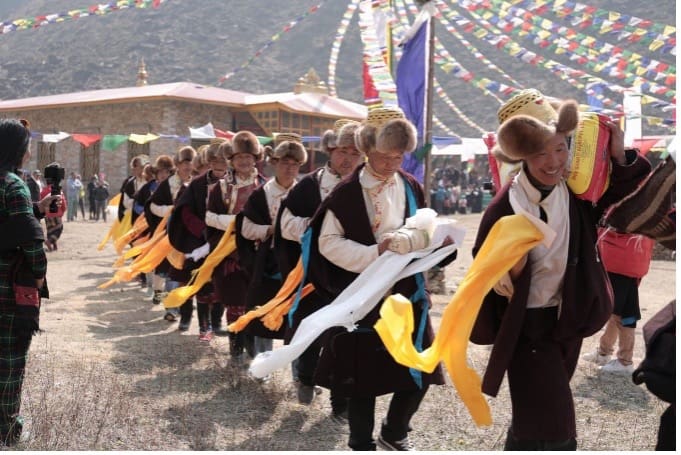
In Nepal, the local government of Gorkha District’s Tsum Nubri Rural Municipality recently adopted a new law to formally recognize and preserve the local community’s Shagya tradition of nonviolence.

Rights and Resources Initiative (RRI) and the Chepkitale Indigenous Peoples' Development Project (CIPDP) organized a site visit to Chepkitale to learn from the Ogiek of Mt. Elgon and shine light on the transformative role of community-led conservation in protecting Kenya's biodiversity-rich forests.

Long-time RRI collaborator Social Entrepreneurs for Sustainable Development (SESDev) examines how Liberia’s Land Rights Law has impacted women’s land rights and livelihoods since 2018.

On February 9, the Inter-American Court of Human Rights heard oral arguments in a case against the State of Guatemala that could set a precedent for Indigenous communities across Latin America, strengthening their quest for collective rights to their ancestral lands and the right to control their natural resources.

Between December 6 - 9, 2021, representatives from the Roundtable on Sustainable Palm Oil (RSPO) and PT Inecda Plantations traveled to Talang Parit to meet with the community for the first time since their complaint was submitted to the RSPO in 2020. These meetings offer a glimmer of hope for the community and the island’s natural resources since the Indonesian government issued PT Inecda a plantation permit in 1984.

Across the world, the outbreak of COVID-19 has created unprecedented challenges for RRI members and their communities. In many cases though, it has also led to opportunities for empowering local communities. This was the case for Social Entrepreneurs for Sustainable Development (SESDev), a Liberian non-profit that works on natural resource governance rights.

A new operational guide is set to help Indigenous and local communities sustainably manage their forest concessions in the Democratic Republic of the Congo (DRC).
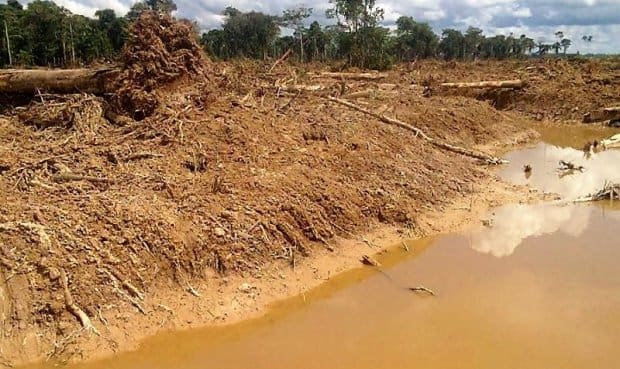
The community of Santa Clara de Uchunya, in Ucayali, Peru, is fighting back against both land trafficking and human rights abuses in the region.