
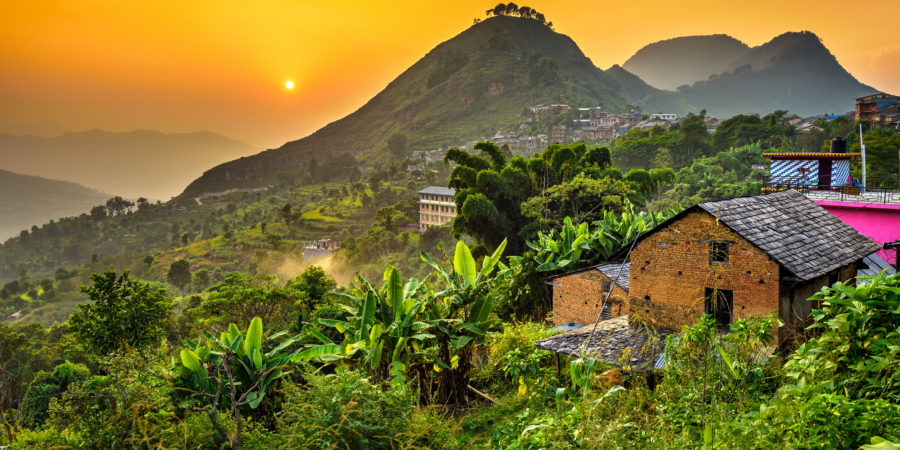
In Nawalpur district, 197 km southwest of Kathmandu, women from the Tharu and Kumal tribes in Madyavindu Municipality worked together throughout the 2021 monsoon season finding ways to adapt and support their communities while adhering to pandemic safety guidelines, demonstrating their inspiring resilience and socio-economic prowess.
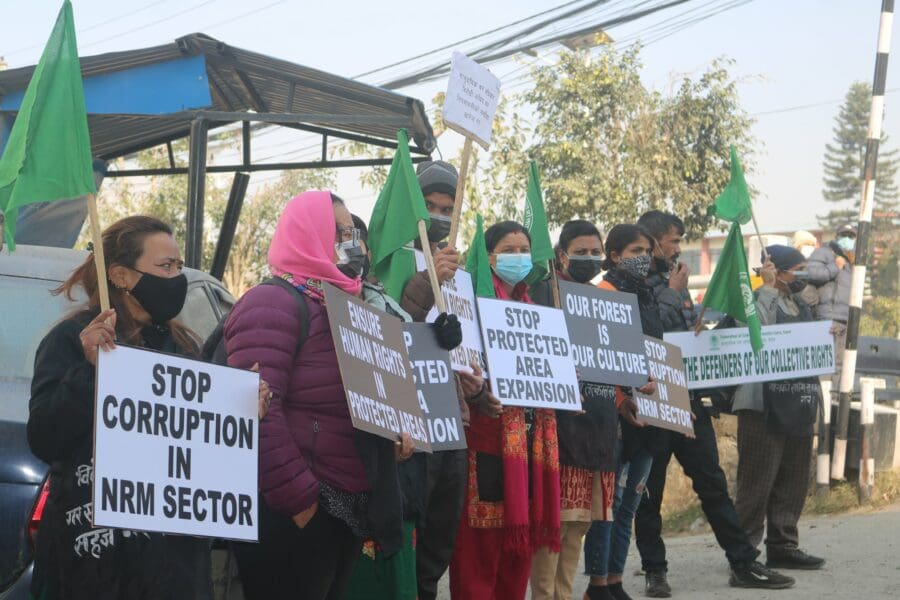
Several forest regulations recently introduced by Nepal’s Ministry of Forest and Environment are raising serious human rights concerns among the country’s local forest communities. These provisions, currently under cabinet review, are geared to become part of Nepal’s Forest Act. But local forest communities say they are in direct contrast to the Act’s spirit and violate their rights.

On February 9, the Inter-American Court of Human Rights heard oral arguments in a case against the State of Guatemala that could set a precedent for Indigenous communities across Latin America, strengthening their quest for collective rights to their ancestral lands and the right to control their natural resources.

This report is a product of an extensive collaboration between 20 Indigenous and local community organizations across Asia, and brings together data and stories from communities on the ground to re-position global human rights and conservation discourses at the center of Asia’s unique political realities. It frames conservation beyond being an issue of natural resource management and highlights the question of governance, autonomy, and sovereignty of Indigenous Peoples and local communities to achieve their self-determined development aspirations.

Between December 6 - 9, 2021, representatives from the Roundtable on Sustainable Palm Oil (RSPO) and PT Inecda Plantations traveled to Talang Parit to meet with the community for the first time since their complaint was submitted to the RSPO in 2020. These meetings offer a glimmer of hope for the community and the island’s natural resources since the Indonesian government issued PT Inecda a plantation permit in 1984.

As the role played by Indigenous Peoples and local communities in safeguarding the planet gains long-due recognition by global climate and conservation initiatives, their representatives and allies have launched a new mechanism to finance locally-led efforts with full respect for the rights of Indigenous Peoples and local communities.
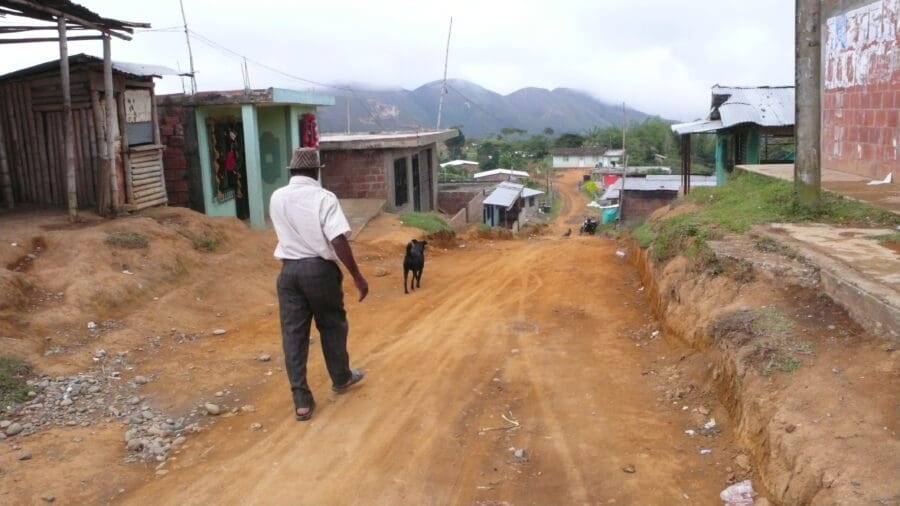
Lack of secure land rights has long been a key driver of war and conflict in Colombia. Since the formation of the new republic, the country’s land ownership has accumulated in the hands of a small number of elite families, leaving thousands of rural populations without access to land.
The Rights and Resources Initiative (RRI), the Global Alliance of Territorial Communities (GATC) and the Campaign for Nature (C4N) receive grant from Bezos Earth Fund to jointly scale up the recognition of tenure rights of Indigenous Peoples, local communities, and Afro-descendant Peoples in the Tropical Andes and Congo Basin.

A decade-long effort by RRI’s DRC Coalition has led to a progressive land policy in the country
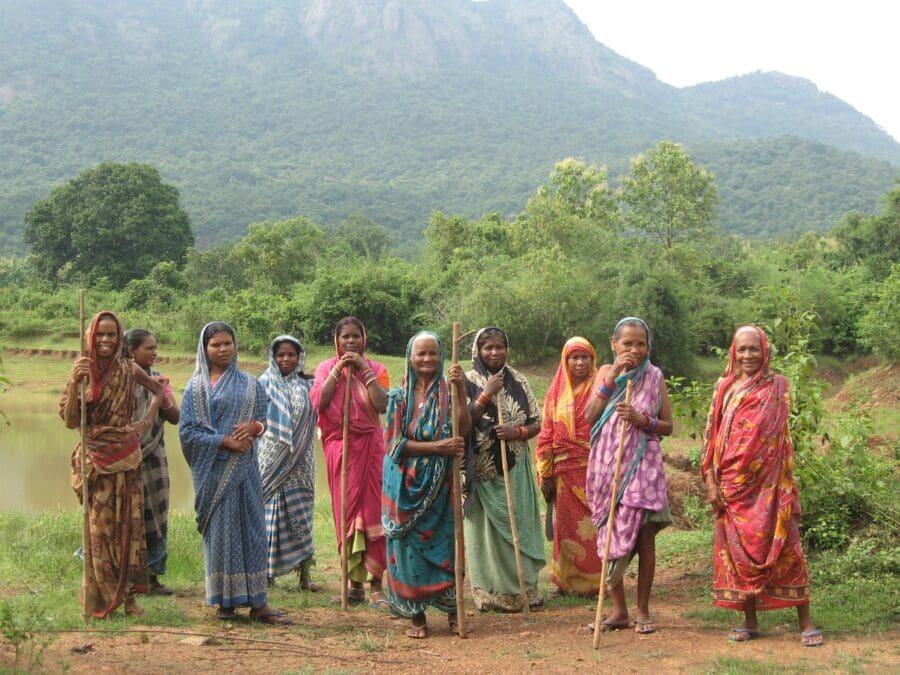
In welcome news for India’s forest communities, the state of Odisha has approved 14 Community Rights and Community Forest Resource Rights titles for 24 villages in its Nayagarh district, under the country’s 2006 Forest Rights Act. The government’s move to grant these titles is praiseworthy for one key reason: they recognize women’s critical role in protecting community forests.
A new report by the Forest Carbon Partnership Facility (FCPF), a global partnership for successfully reducing emissions from deforestation and forest degradation, and the World Bank’s fund for Enhancing Access to Benefits while Lowering Emissions (EnABLE), outlines tangible ways global communities can make inroads in the effort to mitigate climate change through strengthening Indigenous sovereignty.
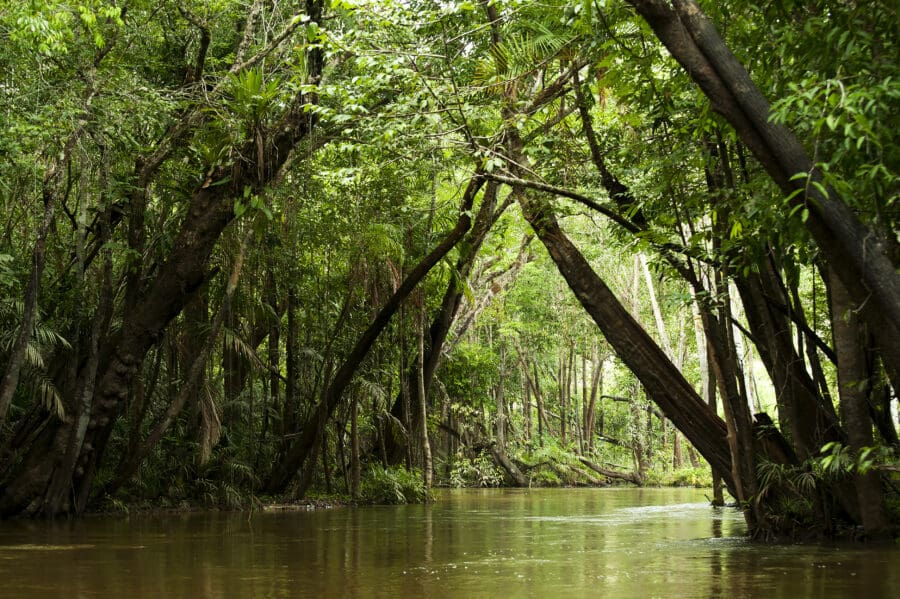
At UNFCCC COP 26, new research shows Indigenous Peoples and local communities hold at least 958 million hectares of land in countries spanning most of the world’s endangered tropical forests – yet have legal rights to less than half of their lands. Community-held lands sequester over 250 billion metric tonnes of carbon, and lack of secure rights threatens to release much of this carbon into the atmosphere through deforestation.

Nature-Based Solutions are broadly defined as solutions to societal challenges that involve working with nature. When anchored in culturally appropriate solutions and the self-determined priorities of local peoples, nature-based actions have the potential to strengthen synergies, transform human-environment interactions, and effectively drive system-wide transformation.

Recognizing secure tenure rights for local communities and Indigenous Peoples is one of the key drivers of social peace and sustainable economic development. Addressing the common need for a platform to continue sharing experiences and knowledge, we helped establish the African Land Institutions Network for Community Rights (ALIN). To assess progress since meeting in Antananarivo, Madagascar in 2019, the 3rd ALIN Conference will be held in a hybrid format in Lomé, Togo and online from October 12-14, 2021.
A high-level discussion convened by RRI and the FCDO, UK sought to address the ownership gap in collective land rights to tackle climate change and biodiversity loss.
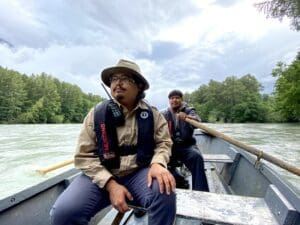
To the west of Great Slave Lake, the second-largest lake in Canada’s Northwest Territories, is a plateau that towers 600 meters above the surrounding Mackenzie Valley. The plateau, which features a unique mosaic of boreal forest, wetlands, and lakes, and is home to dozens of at-risk species, including the woodland caribou, wood bison, and waterfowl, is known as the Edéhzhíe Dehcho Protected Area/National Wildlife Area (pronounced eh-day-shae.)
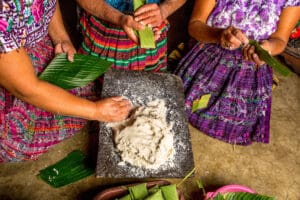
Secure rights to land are fundamental to enable Indigenous Peoples, and in particular, Indigenous women, to continue their effective stewardship of forests.

This analysis shows that the vast majority of tropical forested countries seeking to benefit from international forest carbon markets have yet to define in law and in practice the rights of Indigenous Peoples, local communities, and Afro-descendant Peoples over carbon in their customary lands and territories.
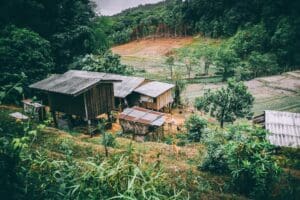
RRI Partners and Collaborators launch initiative to help Nepal cope with devastating COVID-19 crisis.

Andy White (RRI), Gam Shimray (AIPP), and Samuel Nguiffo (CED Cameroun), send a letter on behalf of the RRI Coalition to Marco Lambertini, Director General of WWF International. The letter is a follow-up to an RRI meeting with Mr. Lambertini and his team, held on February 6, 2021.

Blood in the jungle, we demand justice.
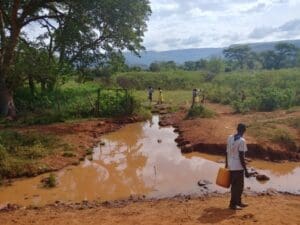
RRI collaborator KVCO help formalize a mediation process between local communities and oil companies in Kerio Valley, enshrining community land rights.

Não há empoderamento político sem empoderamento econômico. Esse foi o princípio por trás de uma estratégia de 2019 da Coalizão da América Latina da RRI [Iniciativa de Direitos e Recursos] para analisar sistemas econômicos com base nos próprios conceitos de desenvolvimento das comunidades dentro de seus sistemas de propriedade comum.

The fires in Similipal National Park and Tiger Reserve have brought to the fore the tug of war between the forest department and the community for biosphere ownership.