
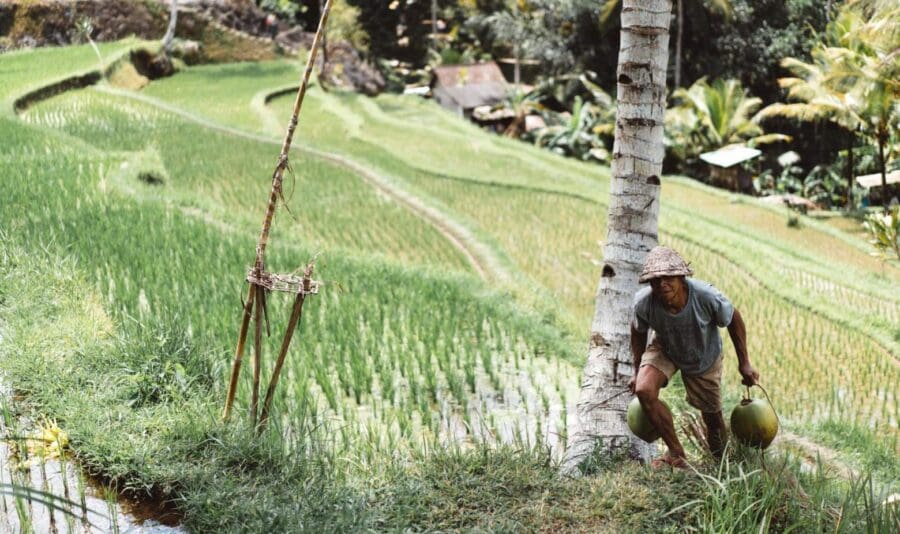
Rights and Resources Initiative and Rainforest Foundation Norway are thrilled to announce the launch of the Path to Scale dashboard, a new open-source online tool that gives easy access to donor funding data for Indigenous Peoples’, Afro-descendant Peoples’, and local communities’ tenure and forest guardianship.
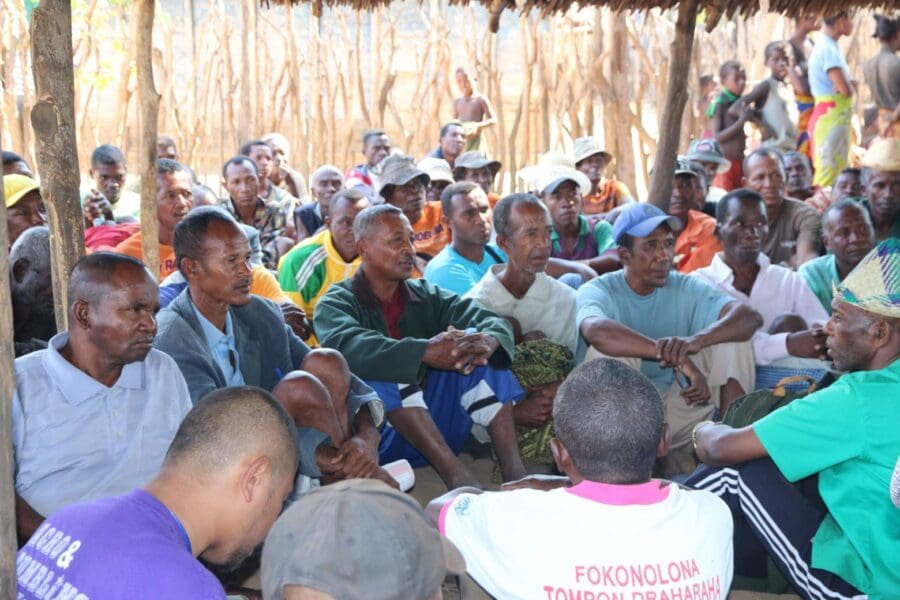
For the first time, Madagascar's traditional communities, the FOKONOLONA, are being considered in the construction of the country's land reform. Find out how this breakthrough was made possible.

Despite constant threats from extractive activities and drug trafficking, community councils of Afro-descendant Peoples from Buenaventura and Northern Cauca have successfully conserved the forest. This is their extraordinary story.

On 9 January 2024, Congress approved Law 31973—signed by Alejandro Soto and Waldemar Cerrón—which modifies Forestry Law 29763 of 2011. This modification will cause chaos in the management of Peru's forests and an acceleration of deforestation, going against global trends to limit climate change and biodiversity loss.

The recent release of the Second Edition of Who Owns the World’s Land? offers an important moment to take stock of the global state of Indigenous, Afro-descendant, and local community land rights recognition. The data in the report covers 73 countries, which cumulatively comprise 85% of the world's land area, and gives a comprehensive snapshot of the global landscape for community land rights at a critical moment for people and the planet. Here are five of the biggest takeaways from the report.

For more than 10 years, the LandWise Law Library has grown into an essential resource on family, land, and natural resource rights under the care of Landesa and Resource Equity. As Resource Equity closes its doors, RRI is thrilled to announce that it will carry the LandWise Law Library on through its next chapter.

RRI collaborators are celebrating two big victories for Indonesia’s agrarian reform movement this October. The Consortium for Agrarian Reform’s years-long advocacy with peasant and smallholder farmers has led to redistribution of two agrarian reform priority locations by the Indonesian Government, transferring their control to peasant and their union who have long reclaiming and managing these lands.

In the lead-up to COP28, amid a growing push to restore degraded and deforested lands as natural climate solution, a new peer-reviewed study shows better outcomes when Indigenous Peoples and local communities are in charge.

More than 300 representatives of Indigenous Peoples, local communities, governments, donors, and NGOs from 47 African countries gathered last month in Namibia to collectively develop a strategy for community-led and people-centered conservation in Africa.

Co-authored with 15 organizations from across Asia—spanning youth groups, Indigenous networks, and ally organizations—this new report collates and brings to the fore the experiences and leadership of youth activists from across the continent into a call to action.

This October, the Democratic Republic of the Congo (DRC)’s National Assembly passed the country’s first-ever legislation on land-use planning. The historic bill’s passage is a result of years-long advocacy by civil society organizations led by RRI collaborator Centre for Innovative Technologies and Sustainable Development.

More than 100 participants from 11 countries gathered in Arusha, Tanzania, this week for the 4th Conference of National Land Institutions in Africa, working to secure community land rights.

Rights and Resources Group has acquired the LandWise Law Library, a crucial digital compilation of articles, and research on women’s land rights and tenure.

From September 12–14, 2023, the African Land Institutions Network for Community Rights (ALIN) will hold its 4th regional conference in Arusha, Tanzania. Land institutions from over a dozen countries will share lived experiences, opportunities, and challenges to further the community land rights agenda in Africa, with Indigenous and local community women, youth, and pastoralists taking center stage.

The Rights and Resource Group has selected Deborah Sanchez, an Indigenous Miskitu woman from Honduras to lead its funding mechanism, CLARIFI (the Community Land Rights and Conservation Finance Initiative). Deborah will officially assume her role on September 11, 2023.
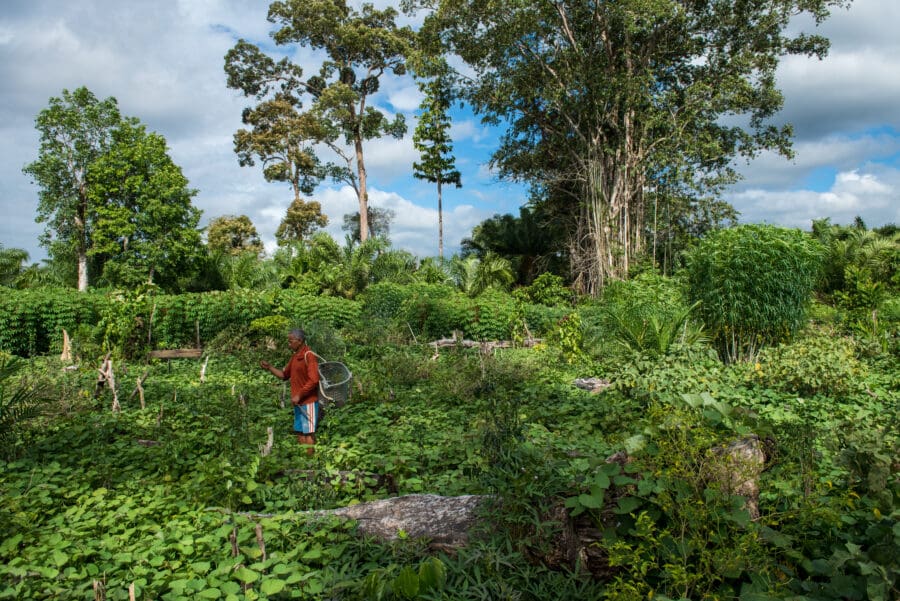
According to a new report by RRI, existing national laws have the potential to recognize Indigenous Peoples’, Afro-descendant Peoples’, and local communities’ rights to own or control more than 260 million hectares (Mha) of land across the world—an area twice the size of Peru.
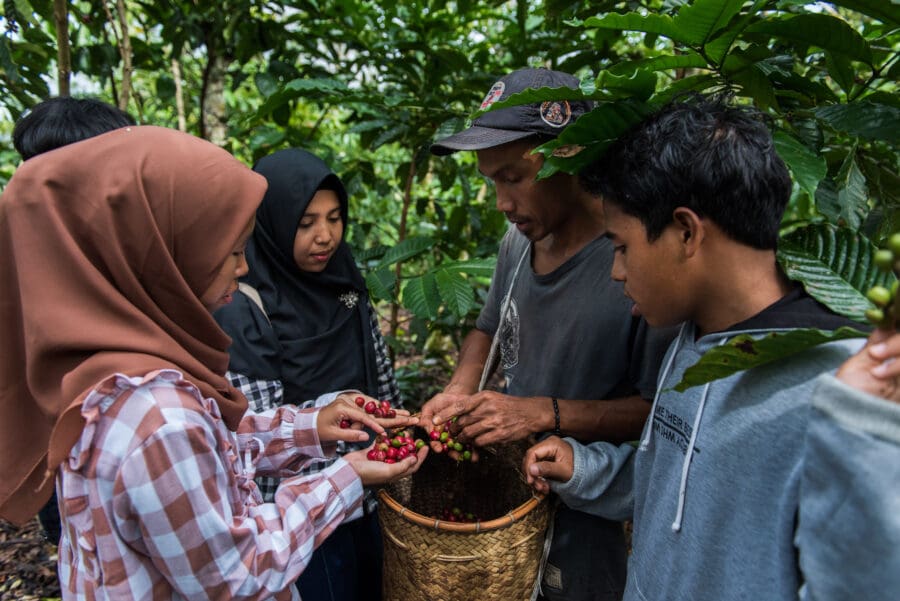
A new resource seeks to support companies and investors in understanding the shared value community monitoring could add to their operations and investments, and outlines principles to help them build productive partnerships with communities to secure their land tenure and improve compliance with environmental and social standards and commitments.

In Nepal, the local government of Gorkha District’s Tsum Nubri Rural Municipality recently adopted a new law to formally recognize and preserve the local community’s Shagya tradition of nonviolence.
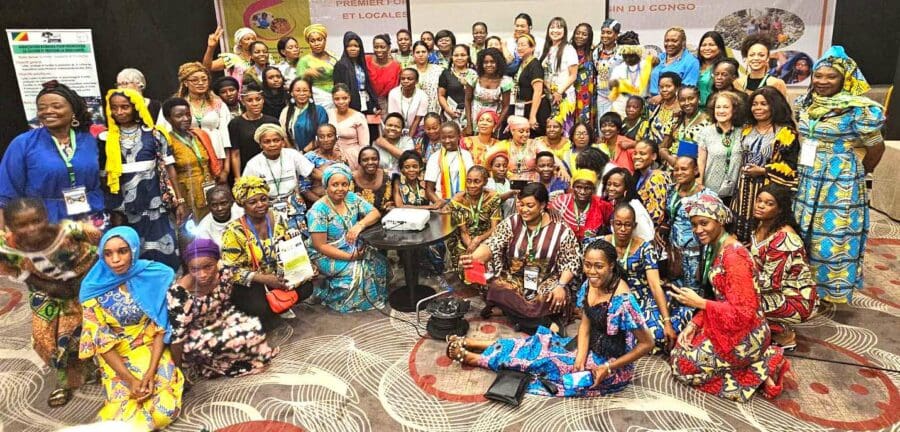
Women leaders from Africa, Asia, and North and South America gather in Brazzaville to strengthen the global solidarity movement for women-led initiatives to protect biodiversity and build climate resilience.
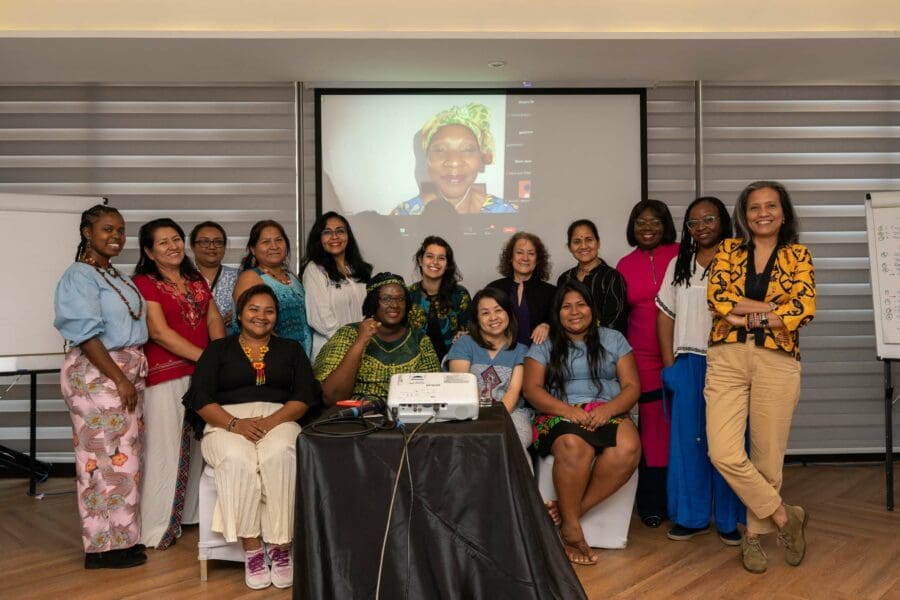
Members of the new network agree to create more documentation on land rights and governance processes for Indigenous, Afro-descendant, and local community women; call for strengthening advocacy capacity.
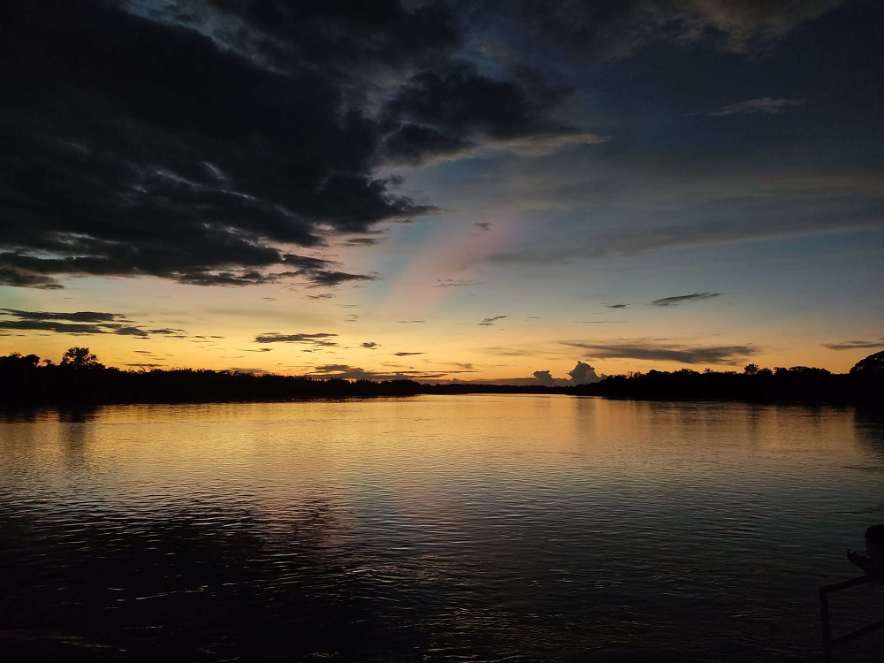
The socio-environmental conflict in Los Pozos inspection of San Vicente del Caguán is unsustainable. The Chinese company, Emerald Energy Plc, repeatedly violates the country's environmental laws and the Colombian government continues to fail to intervene.
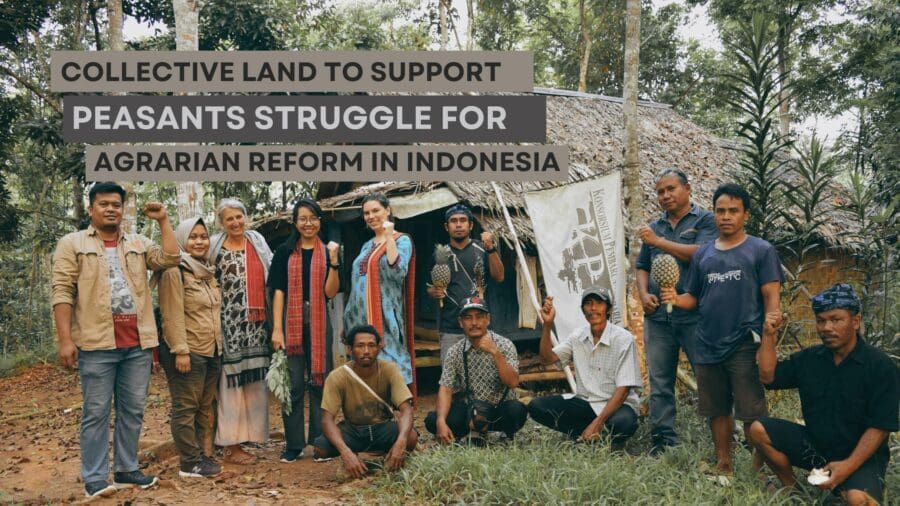
P2B, a peasants' organization based in Banten, Indonesia, is a leading actor in the local struggle for agrarian reform and collective land tenure rights.

Nepal's Indigenous Tsum Nubri community achieves a key legislative victory in maintaining traditional methods of forest governance.
RRI marked the beginning of 2023 with a global dialogue on Rights-Based Conservation and Climate Approaches, co-hosted with the Embassy of Sweden in Washington DC.