
RRI is excited to announce the launch of its new online Tenure Tool. This platform, hosted on RRI’s website, will give rightsholders, researchers, activists, policymakers, and the public free and easy access to qualitative and quantitative data on the forest tenure rights of Indigenous Peoples, Afro-descendant Peoples, local communities, and the women within those communities.

In this new report, researchers compiled data on this funding stream and assessed the grants along different dimensions of “Fit for Purpose” criteria—determining whether the funding achieved its intended goals or was compromised in delivery and effectiveness.

When members of the Indonesia-based AsM Law Office landed in Monrovia, Liberia this June, they had a two-fold agenda for their two week exchange with leaders of Liberian civil society.
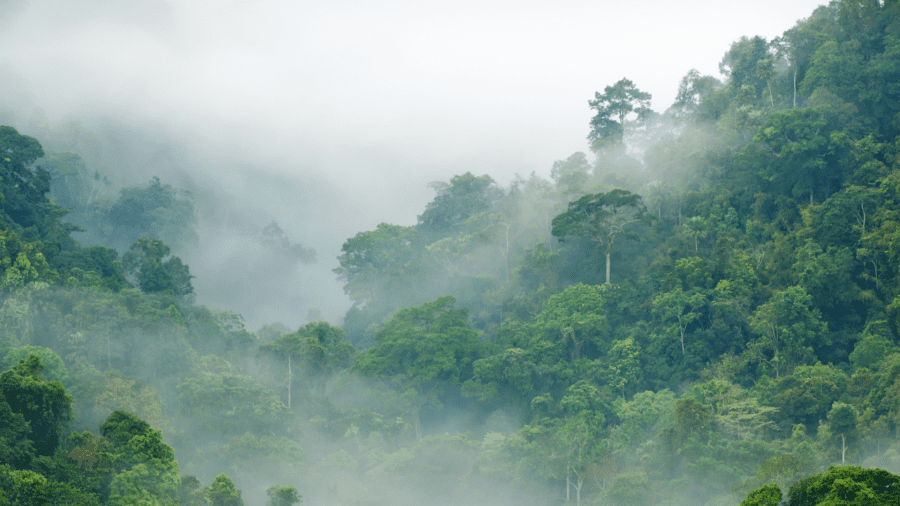
A new study led by biologists at University of Amsterdam shows that the minimum land area requiring urgent conservation attention to safeguard Earth’s biodiversity is 64 million square km, equalling 44% of the planet’s terrestrial area.

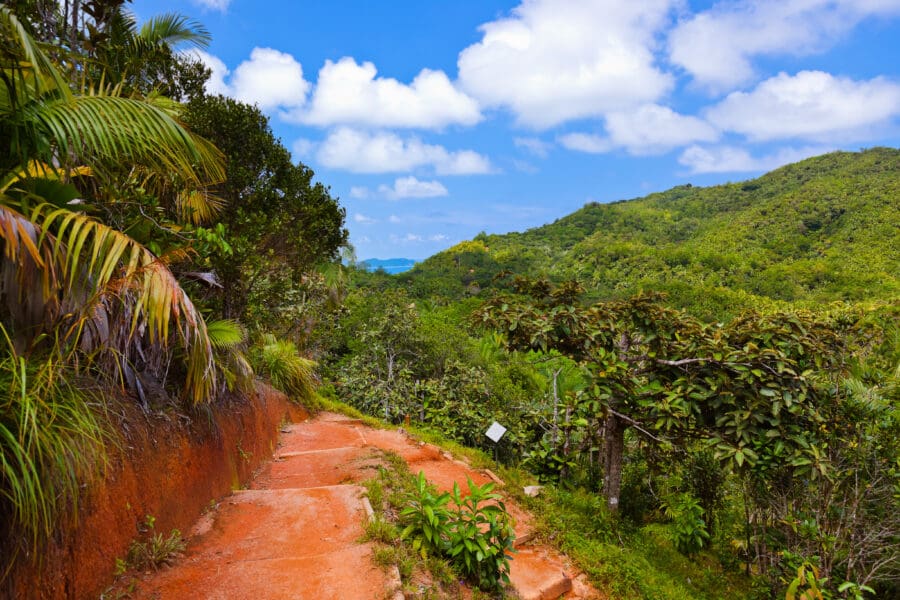
India is among the top ten countries most vulnerable to climate change. A new study finds that the Forest Rights Act is an effective tool to enable rights-based and gender-responsive approaches to climate action and can legally empower forest dwellers to manage and govern nearly 40 million hectares of the country's forests.
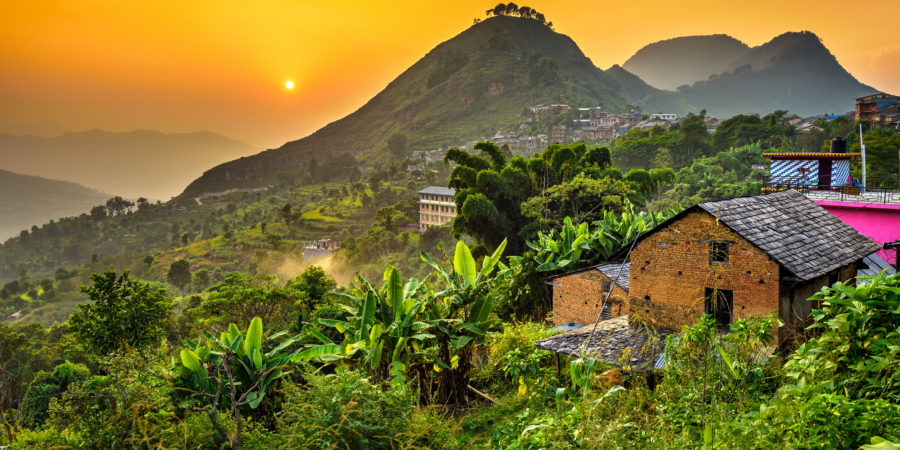
In Nawalpur district, 197 km southwest of Kathmandu, women from the Tharu and Kumal tribes in Madyavindu Municipality worked together throughout the 2021 monsoon season finding ways to adapt and support their communities while adhering to pandemic safety guidelines, demonstrating their inspiring resilience and socio-economic prowess.
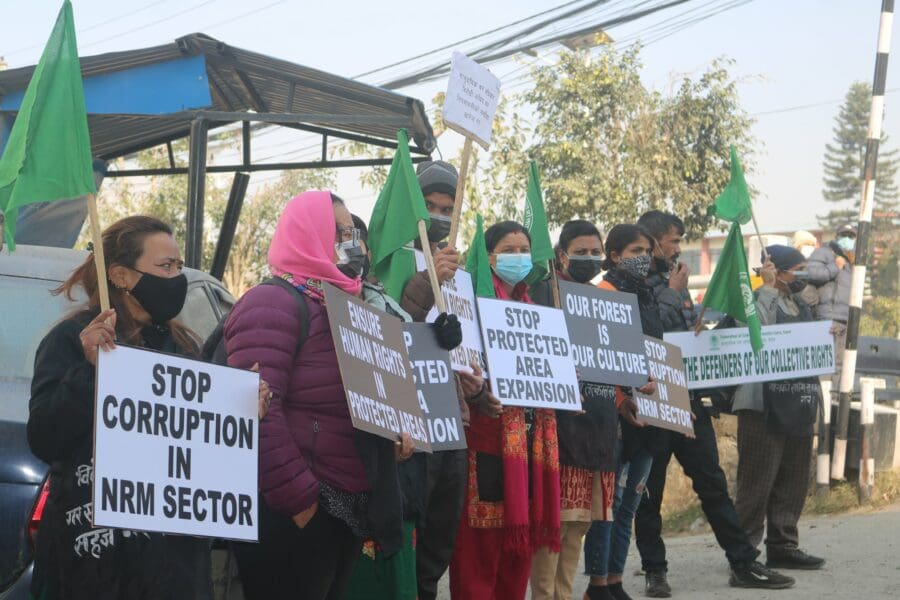
Several forest regulations recently introduced by Nepal’s Ministry of Forest and Environment are raising serious human rights concerns among the country’s local forest communities. These provisions, currently under cabinet review, are geared to become part of Nepal’s Forest Act. But local forest communities say they are in direct contrast to the Act’s spirit and violate their rights.

This report is a product of an extensive collaboration between 20 Indigenous and local community organizations across Asia, and brings together data and stories from communities on the ground to re-position global human rights and conservation discourses at the center of Asia’s unique political realities. It frames conservation beyond being an issue of natural resource management and highlights the question of governance, autonomy, and sovereignty of Indigenous Peoples and local communities to achieve their self-determined development aspirations.

Between December 6 - 9, 2021, representatives from the Roundtable on Sustainable Palm Oil (RSPO) and PT Inecda Plantations traveled to Talang Parit to meet with the community for the first time since their complaint was submitted to the RSPO in 2020. These meetings offer a glimmer of hope for the community and the island’s natural resources since the Indonesian government issued PT Inecda a plantation permit in 1984.

The spread of COVID-19 has laid bare the structural inequity in India. Even with massive vaccination drives underway, the country's Adivasis, forest-dwelling communities, and other tribal communities living outside the reach of mainstream healthcare systems continue to be excluded.

As the role played by Indigenous Peoples and local communities in safeguarding the planet gains long-due recognition by global climate and conservation initiatives, their representatives and allies have launched a new mechanism to finance locally-led efforts with full respect for the rights of Indigenous Peoples and local communities.
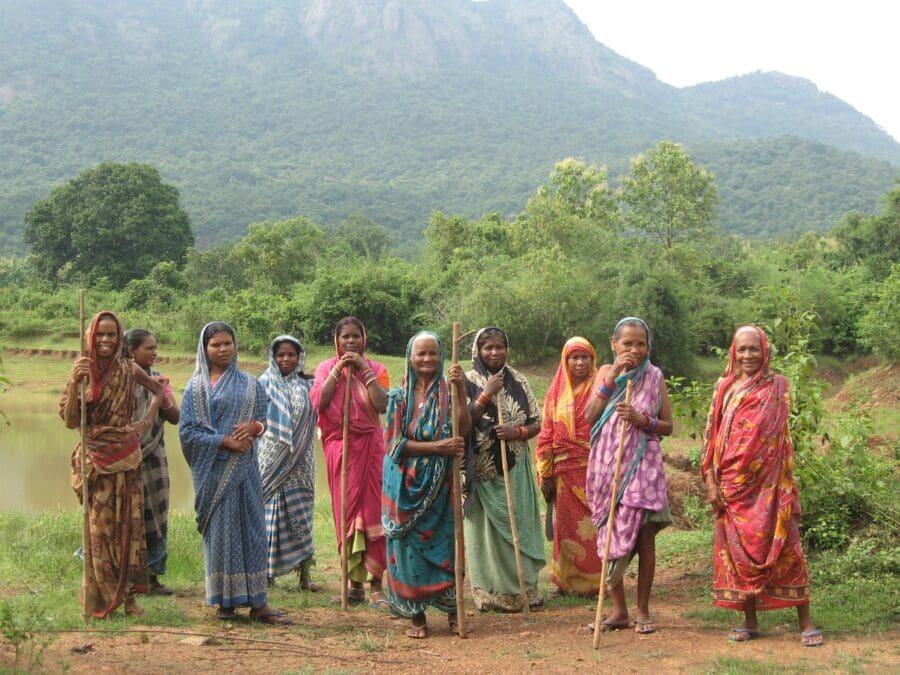
In welcome news for India’s forest communities, the state of Odisha has approved 14 Community Rights and Community Forest Resource Rights titles for 24 villages in its Nayagarh district, under the country’s 2006 Forest Rights Act. The government’s move to grant these titles is praiseworthy for one key reason: they recognize women’s critical role in protecting community forests.
A new report by the Forest Carbon Partnership Facility (FCPF), a global partnership for successfully reducing emissions from deforestation and forest degradation, and the World Bank’s fund for Enhancing Access to Benefits while Lowering Emissions (EnABLE), outlines tangible ways global communities can make inroads in the effort to mitigate climate change through strengthening Indigenous sovereignty.
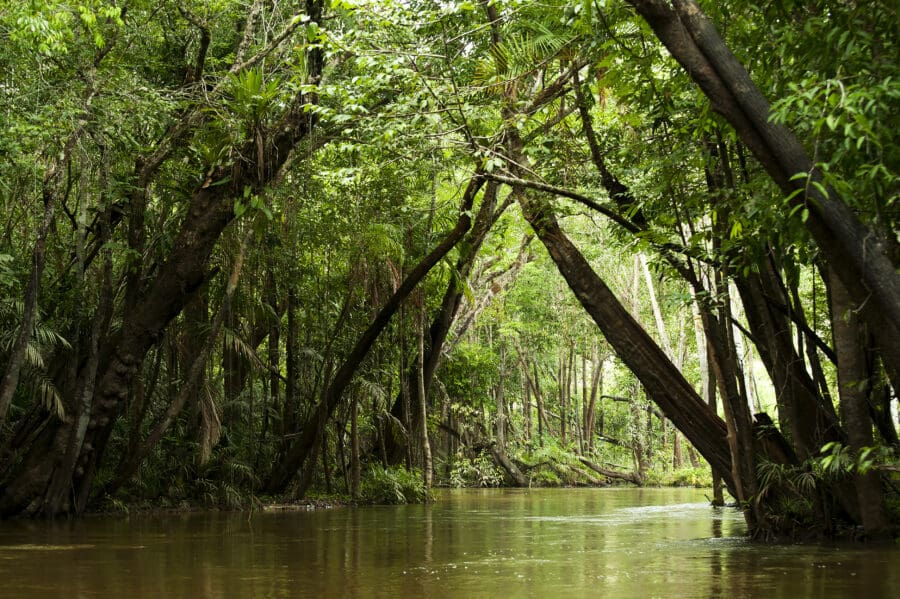
At UNFCCC COP 26, new research shows Indigenous Peoples and local communities hold at least 958 million hectares of land in countries spanning most of the world’s endangered tropical forests – yet have legal rights to less than half of their lands. Community-held lands sequester over 250 billion metric tonnes of carbon, and lack of secure rights threatens to release much of this carbon into the atmosphere through deforestation.
RRI Partners and Collaborators launch initiative to help Nepal cope with devastating COVID-19 crisis.

The fires in Similipal National Park and Tiger Reserve have brought to the fore the tug of war between the forest department and the community for biosphere ownership.

Thailand’s legal frameworks for biodiversity conservation and international climate commitments omit the important role that its Indigenous Peoples play as stewards of the environment.
Damaging the Forest, Harming People - Negative impacts of the illegal timber trade between Cameroon and Vietnam
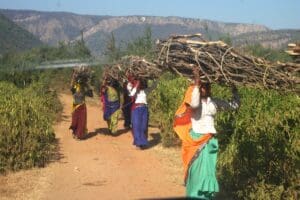
New study shows forest rights recognition as game changer in building emergency resilience in forests

After 70 years of military rule, Myanmar is in a process of defining its federal system. Exploring lessons learned in other countries that have a similar set of issues can shed light on how to build a democratic and federal system of government in Myanmar that respects its ethnic people. A new report explores whether indigenous and community rights have been recognized in three countries that have federal systems of government and also have extensive indigenous communities—Canada, Ethiopia, and Brazil.
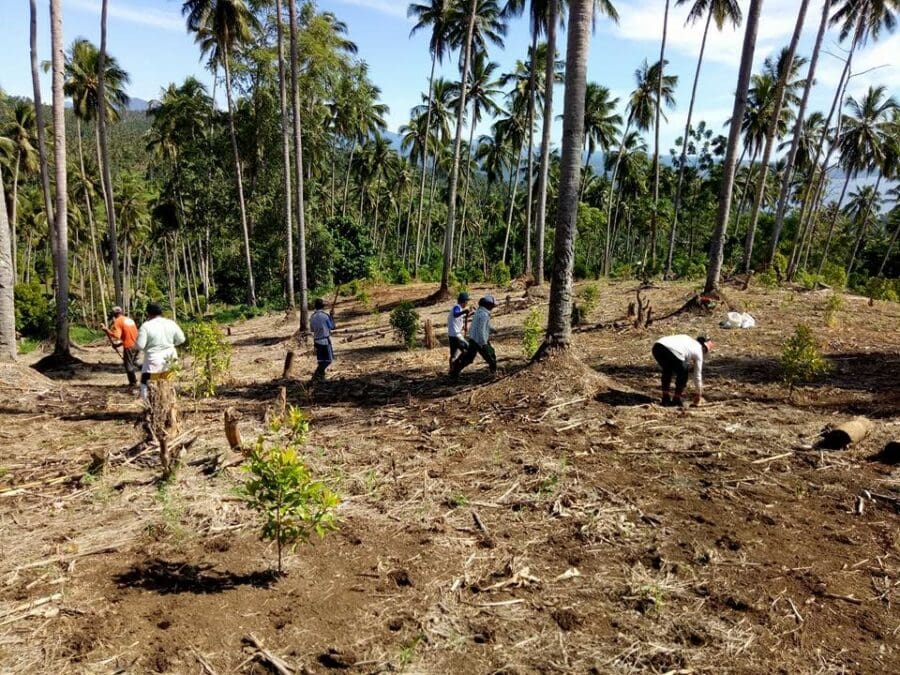
In Mangkit Village, North of Sulawesi in Indonesia, land was returned to farming families, ending a long struggle between the community and a plantation company. This has crucial implications for the communities’ livelihoods and very survival.
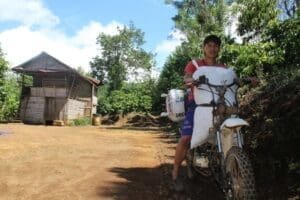
Not so long ago, these coffee producers in Bengkulu, a province on Sumatra island in Indonesia, were harvesting during the night to avoid being caught by forest rangers. Despite having lived on their lands for generations, the government considered their activities illegal. Now, the local communities proudly cultivate their coffee in the daylight—and preserve the forest at the same time. The government even provides financing to their cooperative. By supporting the community to care for and harvest from the forest, they are both supporting local livelihoods and ensuring the forest is protected.

The Doi Tung Development Project, run by the Mae Fah Luang Foundation under Thai royal patronage, is held up by the United Nations as a model for ending narcotic drug cultivation and improving the lives of indigenous communities. Yet in other parts of the country, indigenous people continue to live in poverty and face challenges in accessing land, livelihoods and citizenship, according to tribal rights groups.
Referring to the estimates of Rights and Resources Initiative (RRI) CSD says the actual potential forest land going to be recognized under FRA, 2006 would be more than 85.6 million acres (excluding five north-eastern states and J&K) and more than 200 million Scheduled Tribes (STs) and Other Traditional Forest Dwellers (OTFDs) in over 170,000 villages in the country are estimated to get IFR rights under FRA.