
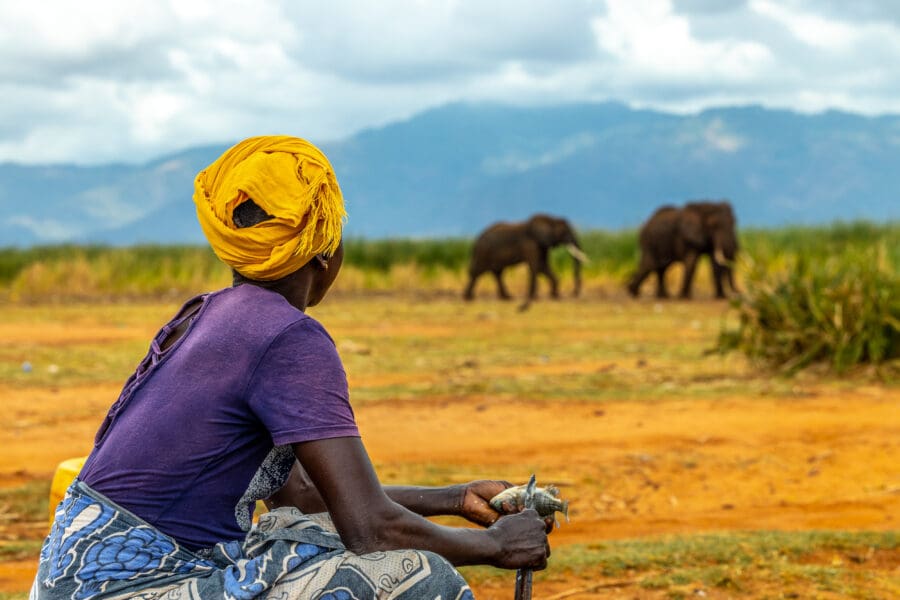
Decades after the world adopted what continues to be the most comprehensive roadmap for women’s rights, RRI’s latest report highlights enduring challenges in securing the rights of Indigenous, Afro-descendant, and local community women.
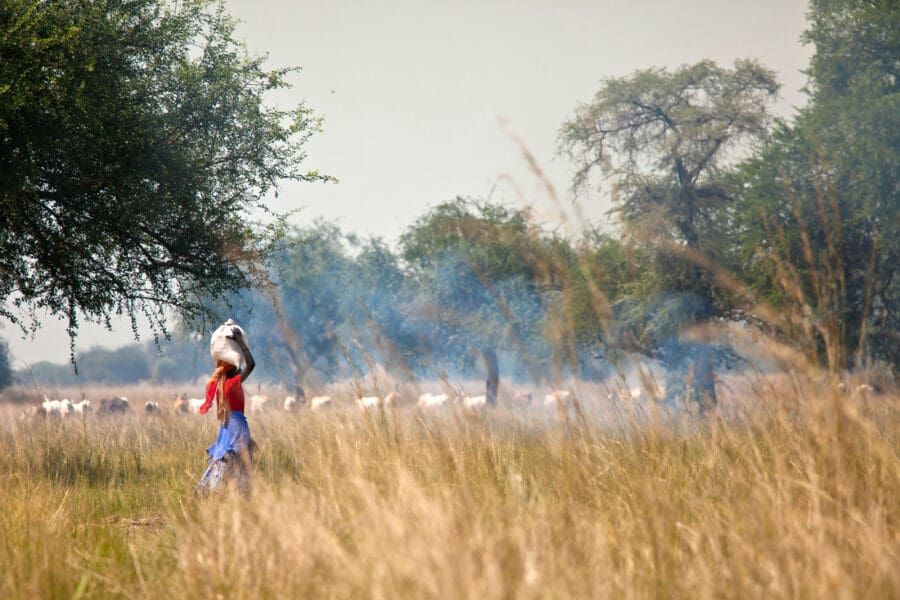
South Sudan, one of Africa’s most diverse countries and the world’s youngest Nation, is at a critical juncture. Despite being home to over 60 major ethnic groups, the country lacks a comprehensive land policy, leaving communities vulnerable to land grabs, exclusion, and conflict.
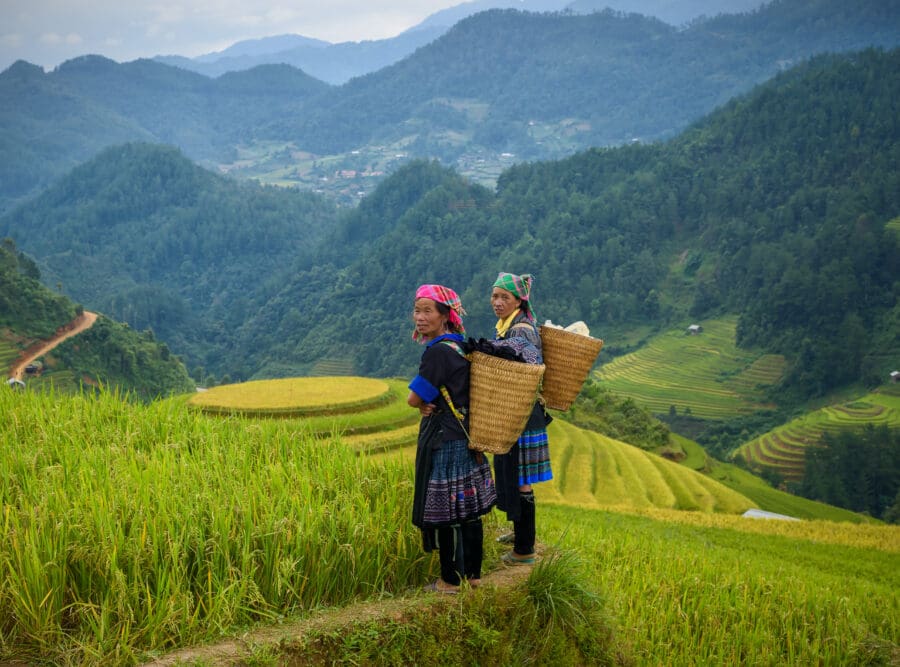
Have you ever wondered why people experiencing poverty in rural areas of the Global South tend to have insecure land tenure? If you have, you may have rightly concluded that the greed of powerful actors and colonialism are an important part of the story. But this barely begins to describe the forces that have strengthened and weakened tenure security across time for those with little voice and power.
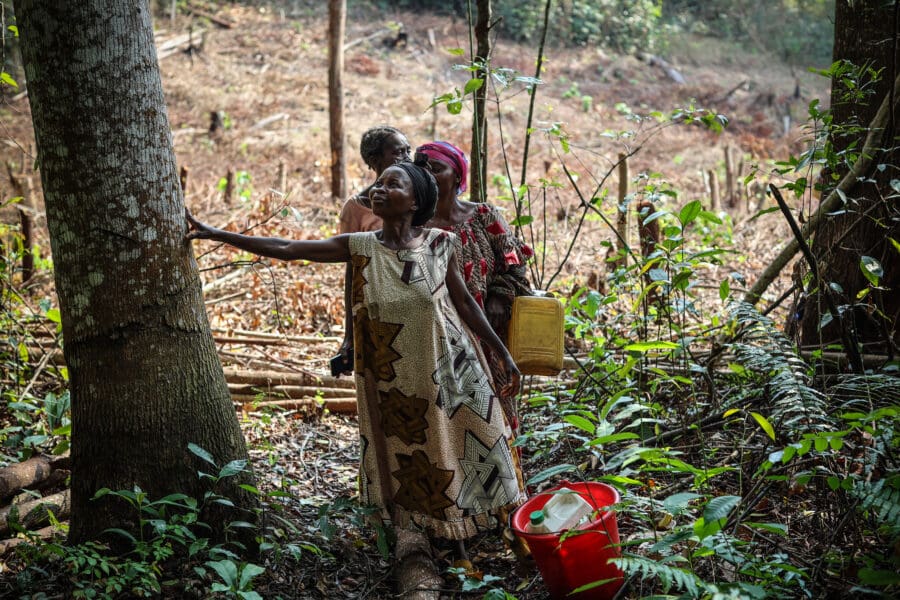
Building on the State of Funding report published in April 2024, this blog post shares important updates on finance for Indigenous Peoples', Afro-descendant Peoples', and local communities' tenure and forest guardianship and examples of how direct funding is already driving important progress in tropical forests and other key ecosystems.
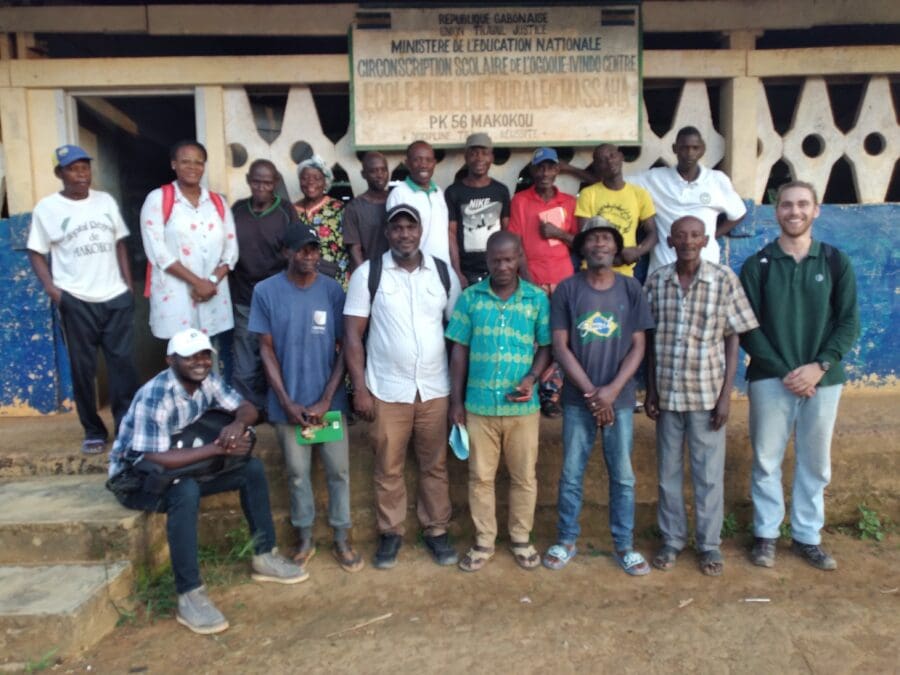
Gabon’s Massaha communities are documenting the rich biodiversity stored in their ancestral territories to demonstrate the transformative power of community-led conservation. Can they help one of the world’s most forested countries conserve 30% of its biodiversity by 2030?
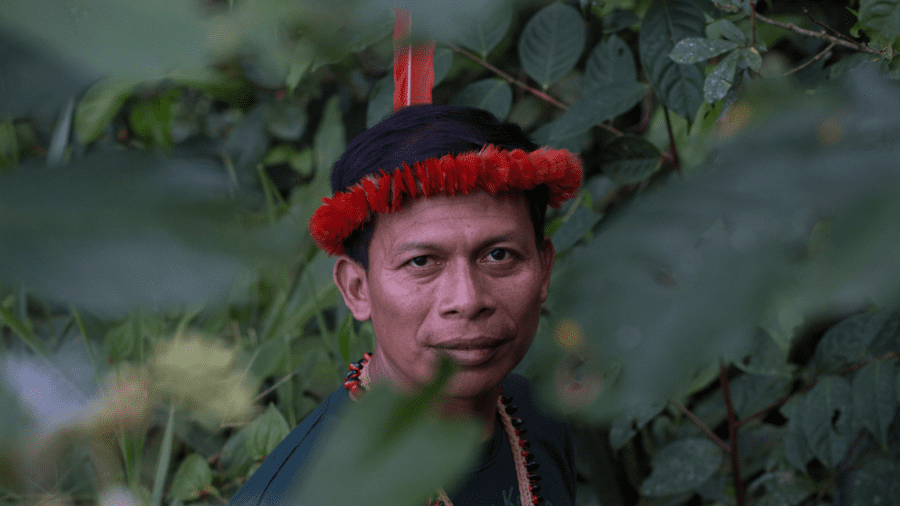
A report aims to influence the localization agenda and improve bilateral policies and practices to ensure that more direct, fit-for-purpose support reaches Indigenous Peoples, local communities, and Afro-descendant Peoples and their supporting organizations to secure tenure rights and conserve key ecosystems and biodiversity.
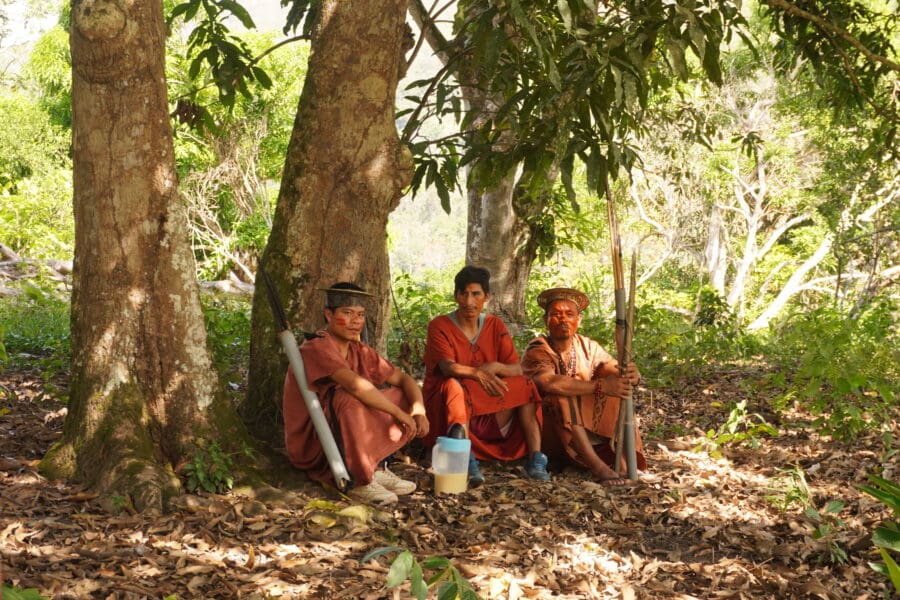
On July 14, the body of Mariano Isacama Feliciano was found on the bank of the Yurac River, a tributary of the Amazon in the Peruvian department of Ucayali. Isacama Feliciano was a human rights defender from the Katkataibo Indigenous People and had been working with his community to resist the presence of illegal loggers before his death.
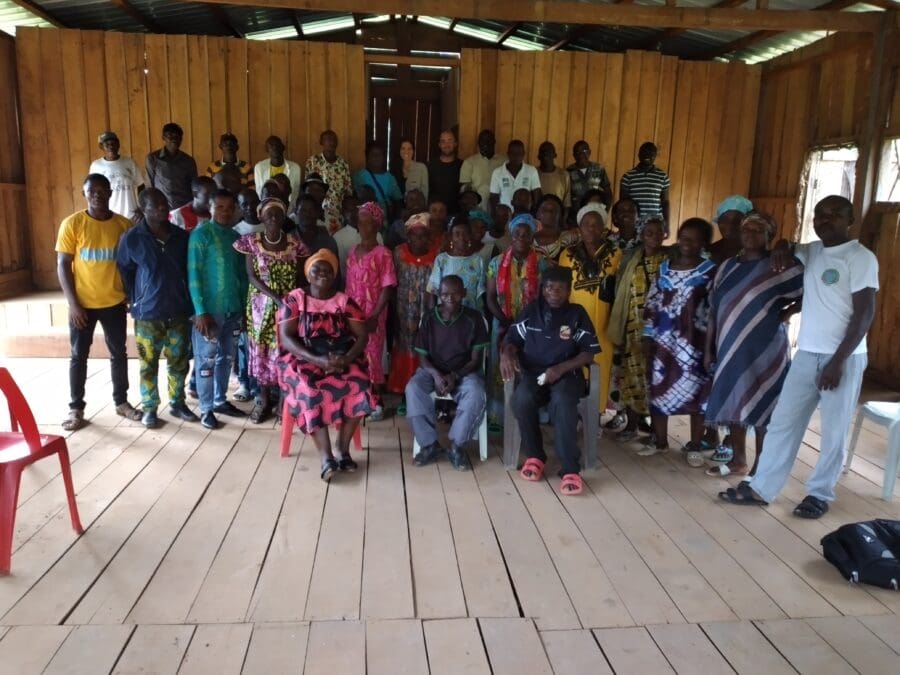
With financial support from the Bezos Earth Fund, RRI's coalition in the Congo Basin has undertaken concrete actions demonstrating alternatives to conservation approaches that exclude communities. In some places, the project's interventions have halted illegal logging, mining, and oil companies’ activities that threaten land and soil degradation as well as local livelihoods.
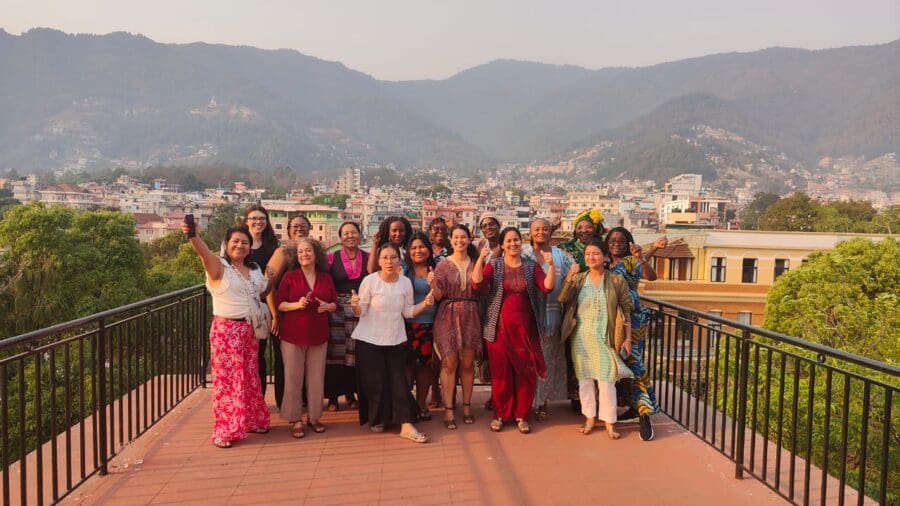
The Women in Global South Alliance (WiGSA) hosted its second strategic meeting in Kathmandu, Nepal from April 30–May 2, 2024. Armed with a feeling of sisterhood and common purpose, women leaders from 11 countries across Asia, Africa, and Latin America overcame jet lag to meet in person to discuss strategies on how best to support the women and girls they represent.

After a five-year hiatus, the World Bank held its Land Conference on May 13–17 in Washington, D.C., bringing together over 1,000 practitioners, donors, advocates, civil society representatives, and government officials. The takeaway was clear: The case for land tenure security as a prerequisite for climate, development, and biodiversity goals has now firmly been made, but many of the same challenges persist in advancing rights-based agendas.
This platform helps coalition members, donors, and allies gain a better understanding of RRI’s global network and documents how each member contributes to the collective mission of advancing local peoples' land, territory, freshwater, and resource rights.
Rights and Resources Initiative and Rainforest Foundation Norway are thrilled to announce the launch of the Path to Scale dashboard, a new open-source online tool that gives easy access to donor funding data for Indigenous Peoples’, Afro-descendant Peoples’, and local communities’ tenure and forest guardianship.
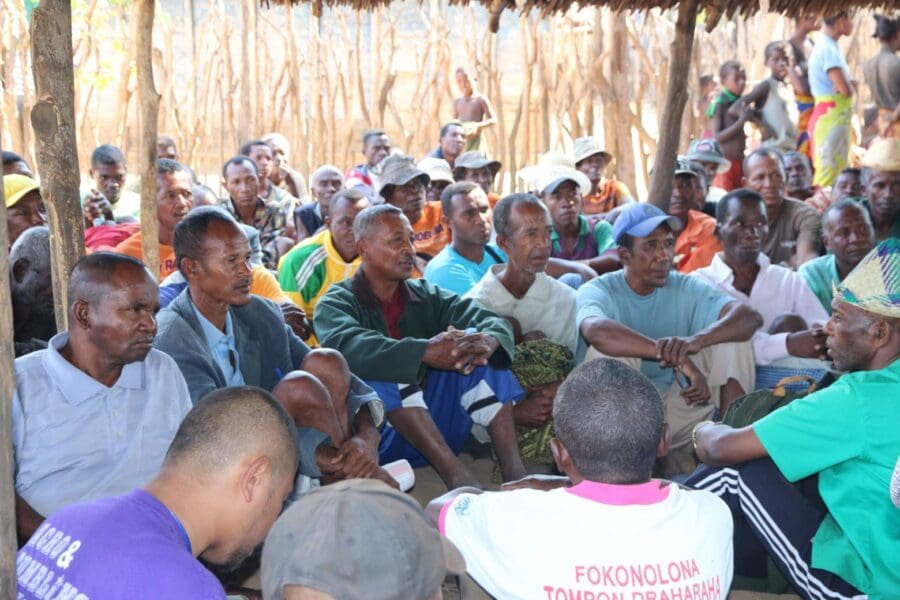
For the first time, Madagascar's traditional communities, the FOKONOLONA, are being considered in the construction of the country's land reform. Find out how this breakthrough was made possible.

The recent release of the Second Edition of Who Owns the World’s Land? offers an important moment to take stock of the global state of Indigenous, Afro-descendant, and local community land rights recognition. The data in the report covers 73 countries, which cumulatively comprise 85% of the world's land area, and gives a comprehensive snapshot of the global landscape for community land rights at a critical moment for people and the planet. Here are five of the biggest takeaways from the report.

For more than 10 years, the LandWise Law Library has grown into an essential resource on family, land, and natural resource rights under the care of Landesa and Resource Equity. As Resource Equity closes its doors, RRI is thrilled to announce that it will carry the LandWise Law Library on through its next chapter.

In the lead-up to COP28, amid a growing push to restore degraded and deforested lands as natural climate solution, a new peer-reviewed study shows better outcomes when Indigenous Peoples and local communities are in charge.

More than 300 representatives of Indigenous Peoples, local communities, governments, donors, and NGOs from 47 African countries gathered last month in Namibia to collectively develop a strategy for community-led and people-centered conservation in Africa.

This October, the Democratic Republic of the Congo (DRC)’s National Assembly passed the country’s first-ever legislation on land-use planning. The historic bill’s passage is a result of years-long advocacy by civil society organizations led by RRI collaborator Centre for Innovative Technologies and Sustainable Development.

More than 100 participants from 11 countries gathered in Arusha, Tanzania, this week for the 4th Conference of National Land Institutions in Africa, working to secure community land rights.

From September 12–14, 2023, the African Land Institutions Network for Community Rights (ALIN) will hold its 4th regional conference in Arusha, Tanzania. Land institutions from over a dozen countries will share lived experiences, opportunities, and challenges to further the community land rights agenda in Africa, with Indigenous and local community women, youth, and pastoralists taking center stage.
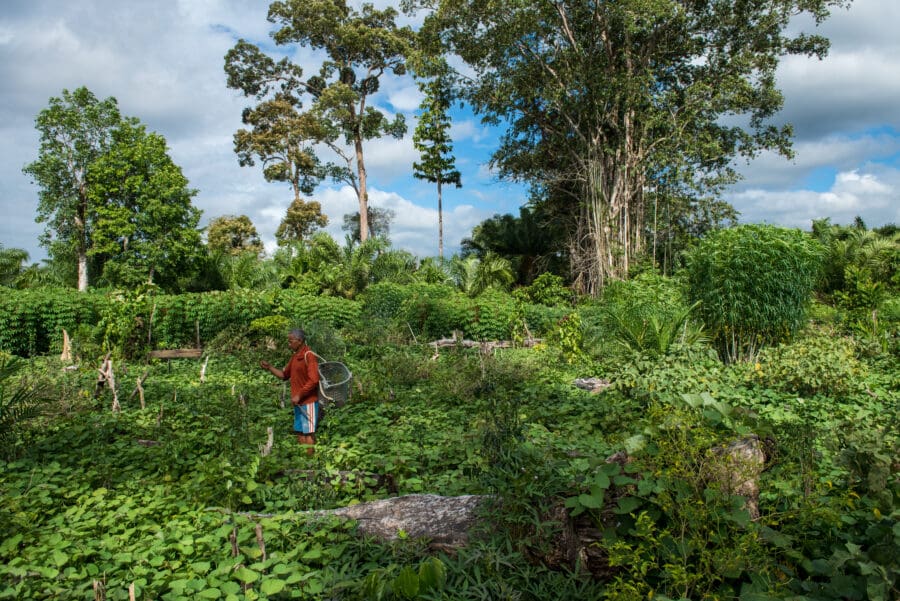
According to a new report by RRI, existing national laws have the potential to recognize Indigenous Peoples’, Afro-descendant Peoples’, and local communities’ rights to own or control more than 260 million hectares (Mha) of land across the world—an area twice the size of Peru.
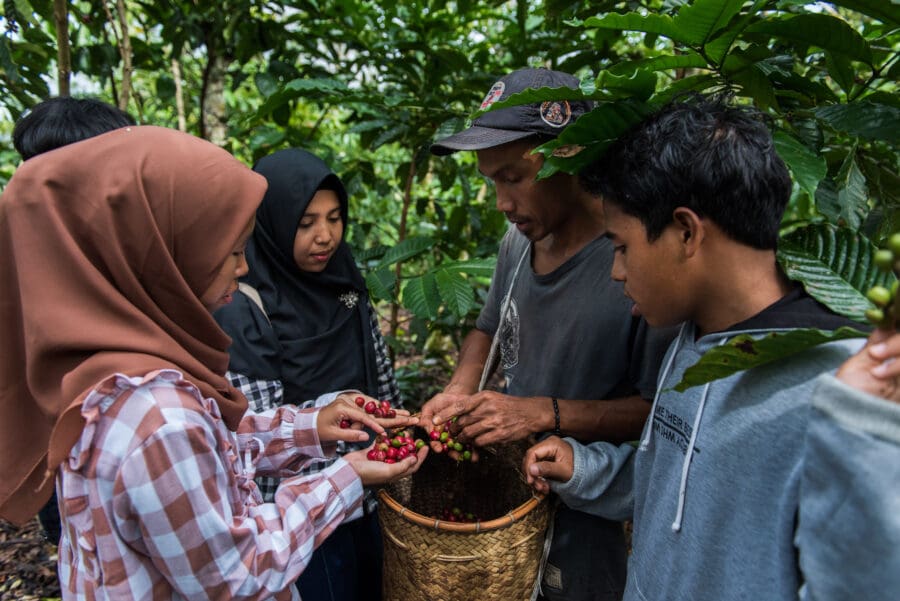
A new resource seeks to support companies and investors in understanding the shared value community monitoring could add to their operations and investments, and outlines principles to help them build productive partnerships with communities to secure their land tenure and improve compliance with environmental and social standards and commitments.
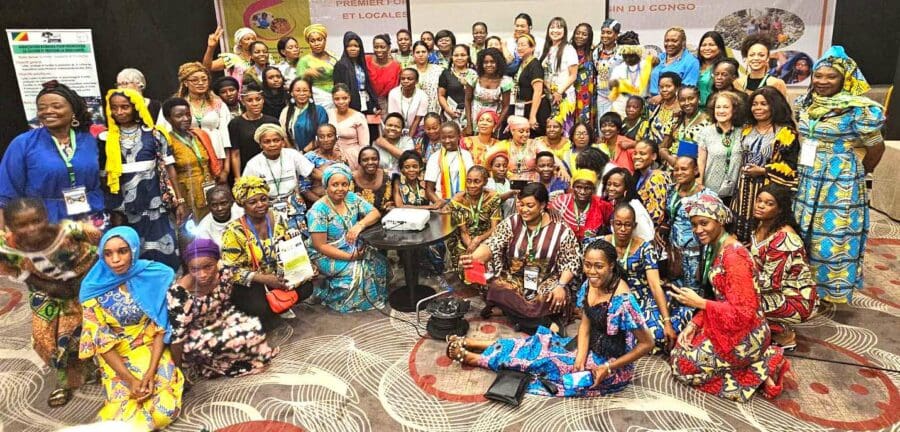
Women leaders from Africa, Asia, and North and South America gather in Brazzaville to strengthen the global solidarity movement for women-led initiatives to protect biodiversity and build climate resilience.
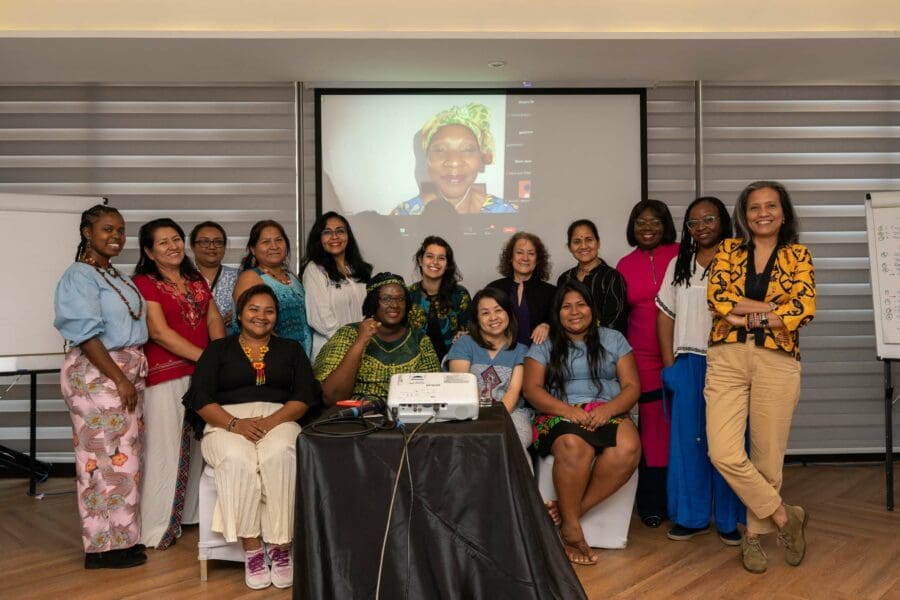
Members of the new network agree to create more documentation on land rights and governance processes for Indigenous, Afro-descendant, and local community women; call for strengthening advocacy capacity.