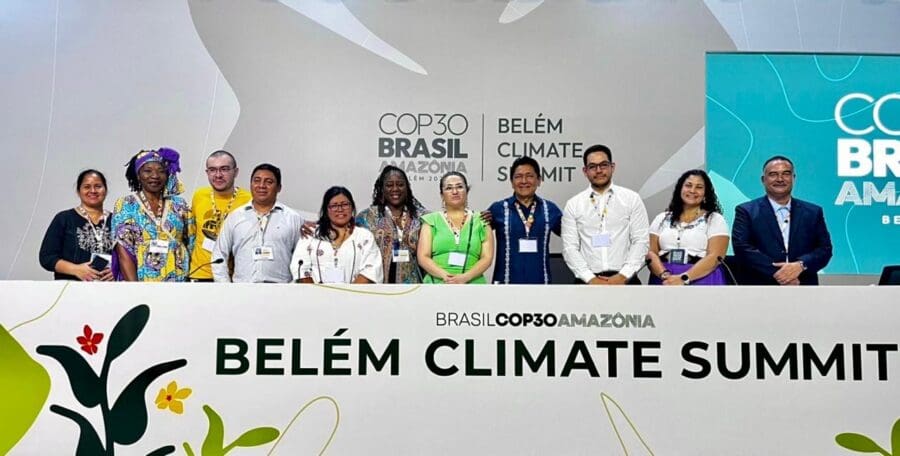
Elisa is an agricultural engineer with more than 15 years of experience working on Indigenous Peoples’ rights in program management, capacity building, and knowledge management.
From 2022 to 2025, Rights and Resources Initiative (RRI), the Global Alliance of Territorial Communities (GATC), and Campaign for Nature, through the Tropical Andes grant, funded 76 distinct projects at local, national, and regional levels in Colombia, Ecuador, Peru, and Bolivia, thanks to the generosity of the Bezos Earth Fund. The partnership centered its efforts on rights-based conservation strategies and was composed of 29 organizations led by Indigenous Peoples, local communities, and Afro-descendant Peoples.
The goal of this grant from the Bezos Earth Fund was to secure and defend collective land tenure while strengthening communities’ sustainable and equitable governance of forest and land resources. This included supporting conservation, restoration, monitoring efforts, and developing Indigenous-, Afro-descendant- and local community-based livelihood programs.
By adopting a holistic view of the territory, the Tropical Andes projects balanced national agendas with the specific, practical needs of communities. As participating organizations frequently noted, this funding was a critical milestone because it was finally reaching the territories directly. The accessible tools and funding model of the Community Land Rights and Conservation Finance Initiative (CLARIFI), RRI’s rightsholder-led funding mechanism, were key to their rapid access to funds. Through collaborative efforts and based on the advantage of working as a coalition, several key lessons emerged that can inform future efforts to advance land and territorial rights in Latin America and the Caribbean.
Women-led Indigenous organizations are increasingly leading the way
Several Tropical Andes projects effectively shattered the long-standing misconception that Indigenous women’s organizations lack the capacity to design and implement large-scale projects. Over the past four years, Indigenous women shaped projects through their distinct perspective of territory—a worldview that inextricably links their individual rights (body) with their collective rights (territory).
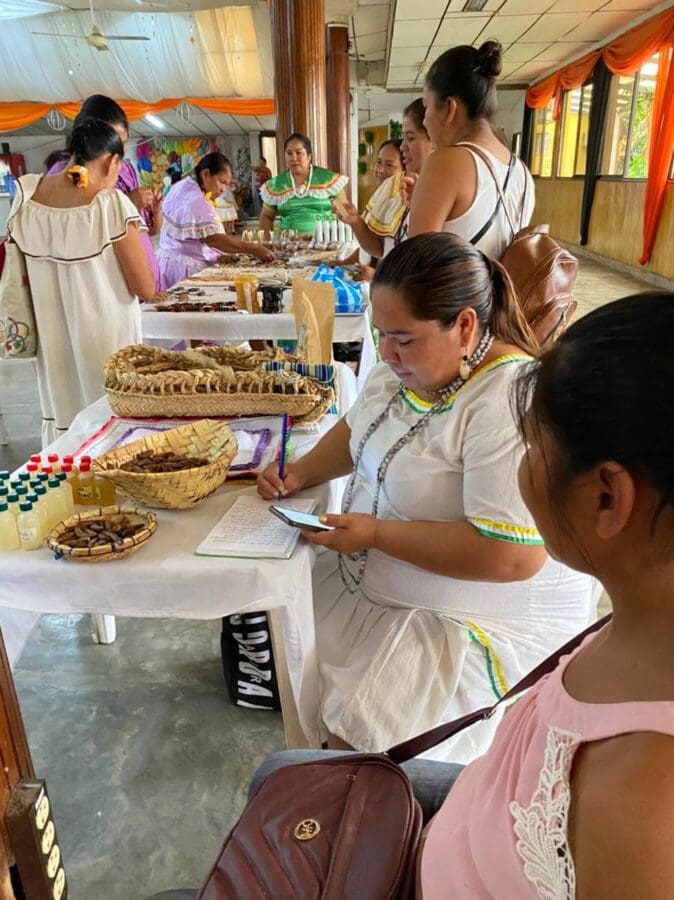
With direct funding from the Tropical Andes grant, Organización Nacional de Mujeres Indígenas Andinas y Amazónicas del Perù (ONAMIAP), Fuerza de Mujeres Wayuu (based in Colombia), and Confederación Nacional de Mujeres Indígenas de Bolivia (CNAMIB) implemented projects focused on empowering capabilities through the reinforcement of women’s leadership roles within their territories.
For example, in Colombia, women from Fuerza de Mujeres Wayuu played a leading role in securing land title processing rights. Historically, these types of activities were led by men because, even today, Indigenous women continue to face exclusion from formal land ownership. The actions of Fuerza de Mujeres Wayuu mark a shift in women’s leadership roles and women’s empowerment in Colombia. In this instance, women-led organizations were key players in shaping their own agendas, providing a new way to raise their voices from within their own spaces.
Communities must take a long-term approach to land and territorial rights
The Tropical Andes projects demonstrated that long-term interventions are necessary for land titling and consolidating changes in the territories. This is because titling processes for territories, and particularly Afro-descendant Peoples’ territories, are characterized by a complicated process that can take many years. For example, in Bolivia, the Tacana II land title process took 22 years; in Peru, the titling process currently consists of nine stages with many steps involved in each of the stages.
In some cases, project participants overcame barriers that previously hindered the titling process by employing both political and technical strategies. In terms of political strategies, national Indigenous organizations, through their leadership, joined working groups established by governments to create regulations and/or monitor bilateral agreements. On the technical side, grassroots organizations made progress in meeting titling requirements. At times, the convergence of these two strategies enabled the resolution of institutional and technical barriers.
In Peru, Asociación Interétnica de Desarrollo de la Selva Peruana (AIDESEP), through a formal agreement with the offices of the Regional Directorates of Agriculture for the titling process of Native communities, built the capacity of regional government institutions to promptly address increasing demands for titling.
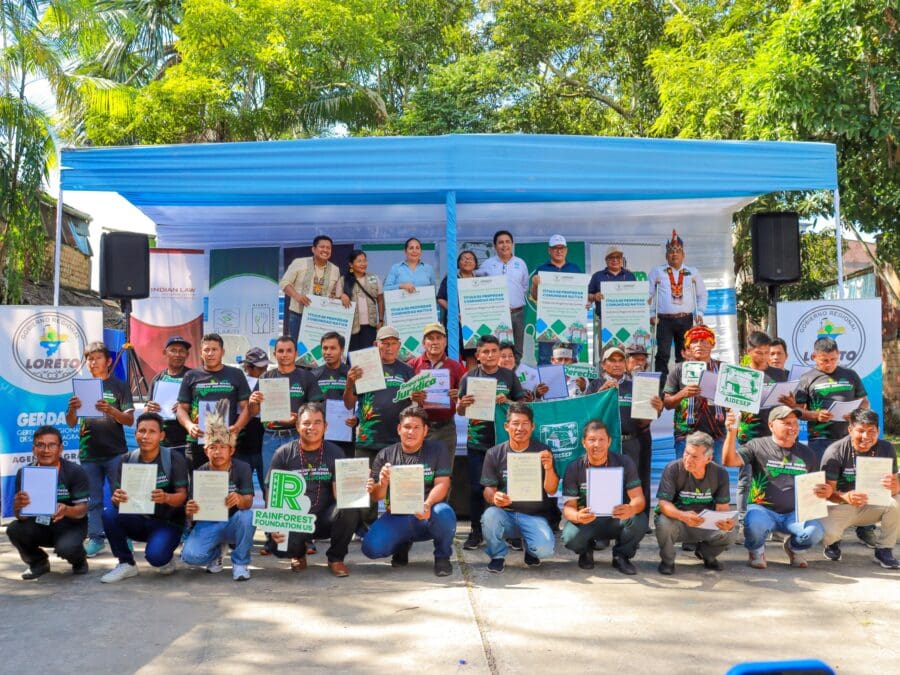
Although the Tropical Andes projects have not been able to meet the long-standing demand for land titling, project implementers now have baseline experience in joint strategies to move forward and, above all, continue to pursue medium- and long-term financing.
One common thread emerging from these successes is that titling processes take time. By focusing on long-term strategies beyond just titling, including a range of political and technical strategies, communities are more likely to ensure lasting, positive change.
Re-orient funding strategies to prioritize self-determination
Through CLARIFI, the Tropical Andes projects prioritized Indigenous Peoples’ self-determination. This funding structure helped consolidate collective narratives and facilitated connections between local and national organizations. This was possible because the Tropical Andes grant from the Bezos Earth Fund allowed organizations to implement projects directly while respecting communities’ own forms of decision-making, accountability, and participation. Likewise, local organizations decided how to invest their funds.
CLARIFI-funded projects respected the intervention strategies, organizational structures, and practices of Indigenous organizations. Their independence in decision-making—free from the rigid compliance requirements and predefined objectives typical of traditional international cooperation—ensured that initiatives responded directly to the needs of Indigenous Peoples. In doing so, they reinforced autonomy, well-being, and good living (buen vivir).
Collaborators frequently mention that the comprehensive approach of the Tropical Andes projects, based on Indigenous governance, organizational strengthening, local technical capacities, and cultural relevance, constituted a solid basis for replicating and scaling up territorial security processes.
With this approach, communities are now deciding their own objectives, methodologies, and agendas for activities that were once heavily influenced by rigid funding requirements from big NGOs.
Monitoring is a strategic pillar for governance and territorial defense
Experience demonstrates that GIS monitoring is most effective when it is community-driven, embedded within existing governance systems, and linked to clear response protocols. Investments in capacity-building, technology adaptation, and inter-institutional coordination significantly increase the impact and sustainability of monitoring efforts. Through community monitoring, Indigenous and Afro-descendant organizations can provide each other with timely alerts regarding threats to community leaders and the presence of third parties in their territories.
The RRI coalition shares a common purpose: protecting Indigenous Peoples’, Afro-descendant Peoples’, and local communities’ lands and territories from persistent pressures and threats. These challenges—including illegal extraction, land grabbing, and environmental degradation—have increasingly turned territories of life into spaces of dispute and constant risk.
Through the Tropical Andes projects, participating organizations helped the coalition collect GIS and manual data from the territories that they could use to respond to threats to collective, individual, and territorial rights. The information generated supported the protection of forests and biodiversity and safeguarded the livelihoods of Indigenous peoples, Afro-descendant Peoples, and local communities.
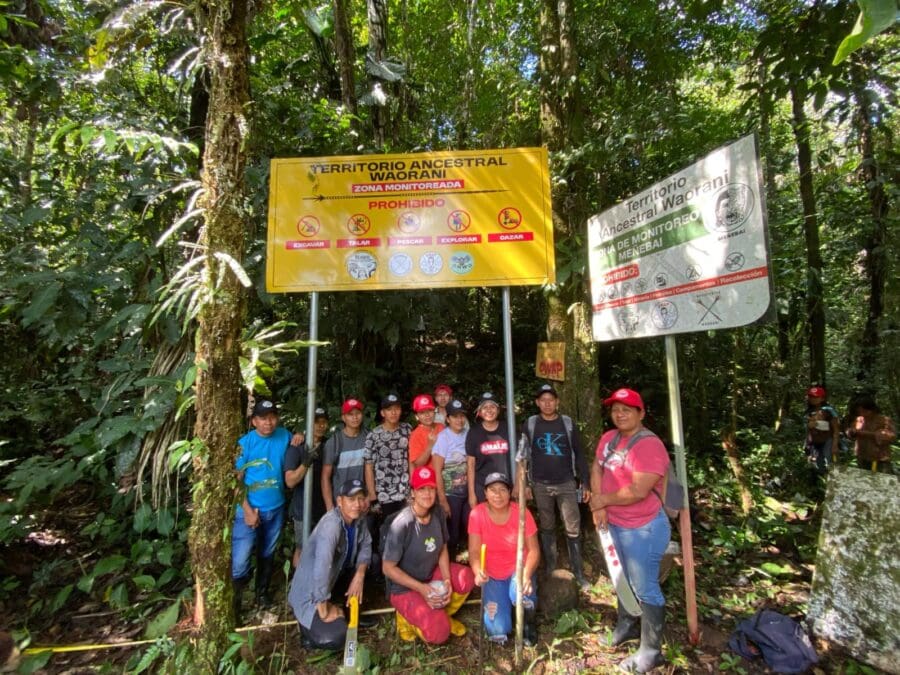
Monitoring also functions as a mechanism of territorial protection. When combined with surveillance, it strengthens territorial governance and security. Approximately 80 percent of the Tropical Andes grant’s technical assistance activities incorporate a monitoring component, adapted to the capacities and approaches of each organization.
Ultimately, the Tropical Andes projects have provided important lessons for the RRI coalition. Direct work with Indigenous, Afro-descendant, and local community organizations in Peru, Colombia, Ecuador, and Bolivia has built capacity within these organizations. Over four years, the RRI coalition has implemented actions at the local and national levels. Although titling territories and strengthening territorial governance were priorities, the implementation of the projects opened up many different areas of work, such as territorial monitoring, the recovery of traditional knowledge, and strengthening Indigenous women’s organizations.
Interested in receiving notifications about new blog posts? Subscribe to The Land Writes Blog now to get new posts delivered right to your inbox.
Banner image credit: Angie Larrahondo Asociación de Mujeres Afrodescendientes del Norte del Cauca (ASOM), para Rights and Resources Initiative.