

Local communities across Latin America, Africa, and Asia made key advances in increasing their effective representation in global climate negotiations and policies at the recently concluded 30th UN Climate Change Conference.
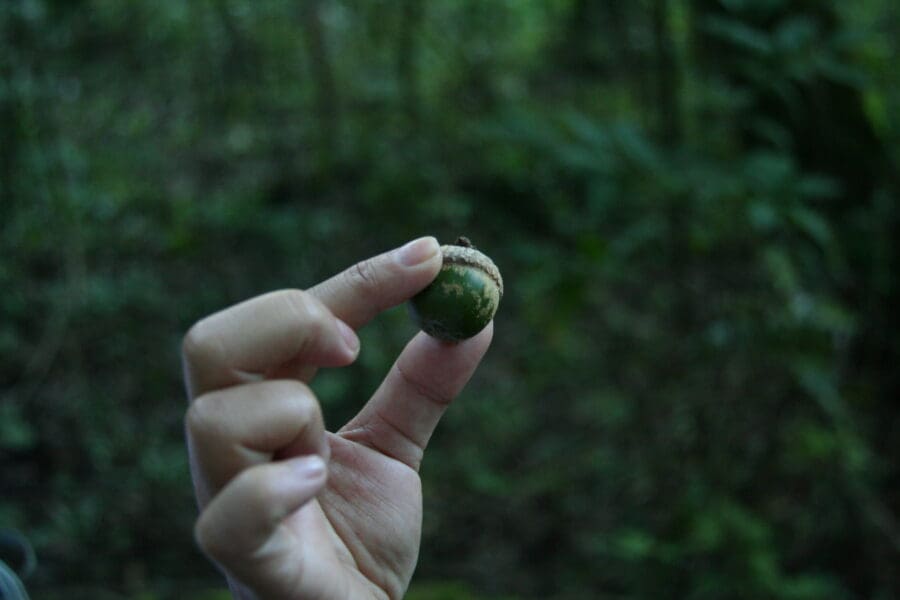
The president and legal representative of the Integral Forestry Association of Cruce a La Colorada (AFICC) in the Maya Biosphere Reserve, Guatemala, shares the vicissitude she had to face as a leader, mother, and head of household.
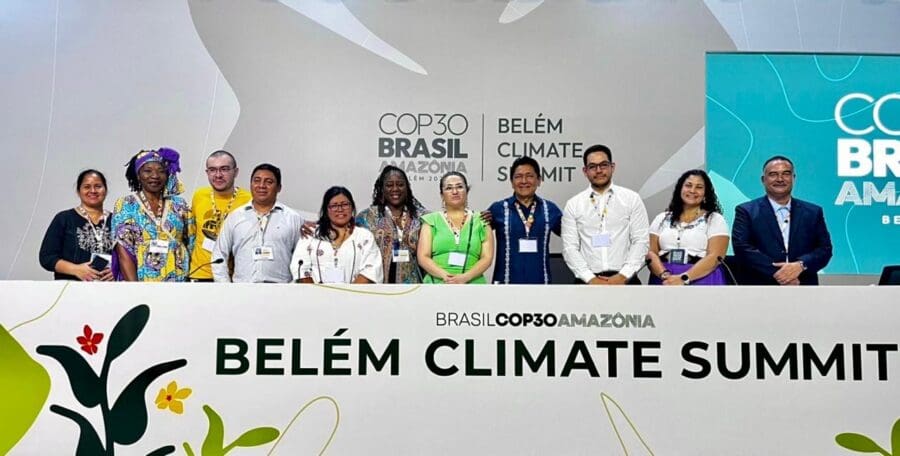
At the recently concluded COP30, the central role of tropical forests and the Indigenous, Afro-descendant, and local communities that protect them was firmly in the spotlight. Despite ongoing challenges, the climate summit delivered tangible, measurable gains for communities and local forest stewards, ranging from landmark land recognitions to new funding initiatives and international collaborations.
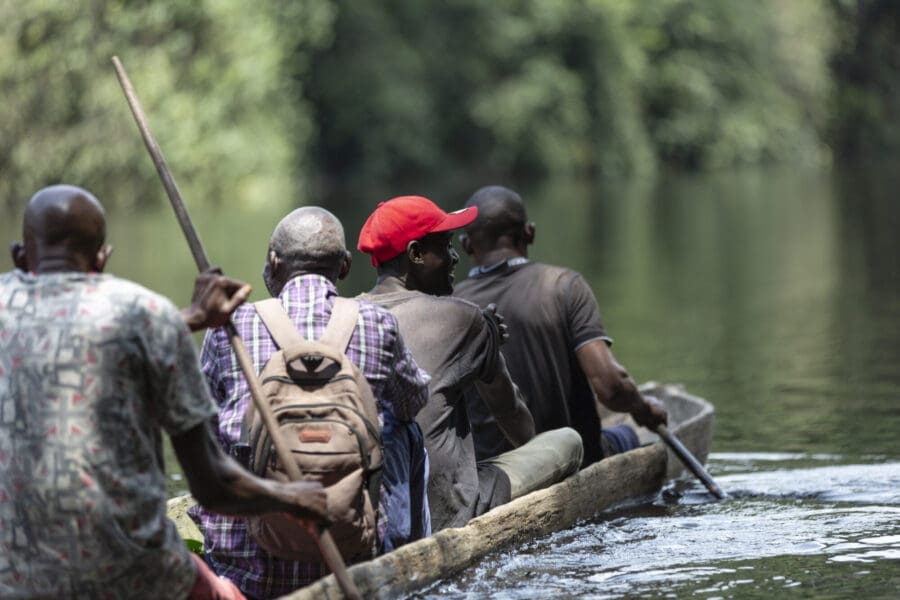
During COP30 in Belém, the governments of Brazil and Colombia, together with the Rights and Resources Initiative (RRI), officially announced the launch of the Acceleration Plan for Solutions for Afro-descendant Peoples (PAS Afrodescendiente) 2026–2030, the first regional initiative dedicated to accelerating the answers to the historical gaps in territorial recognition, environmental governance, and financing for Afro-descendant Peoples in Latin America and the Caribbean.
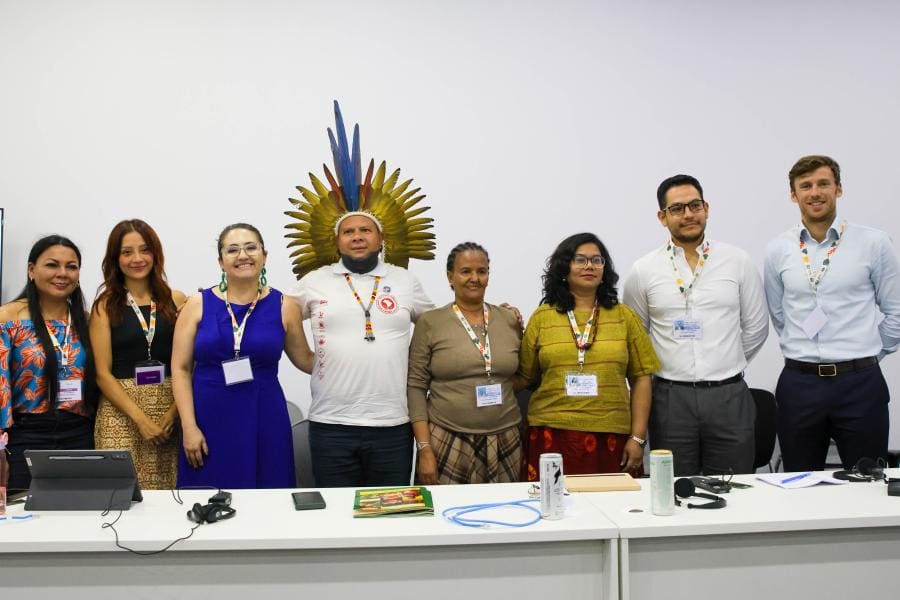
Climate change negotiators meeting in Brazil for COP 30 will face intense pressure to agree on indicators to measure adaptation and a roadmap to quadruple the new collective quantified goal on climate finance.
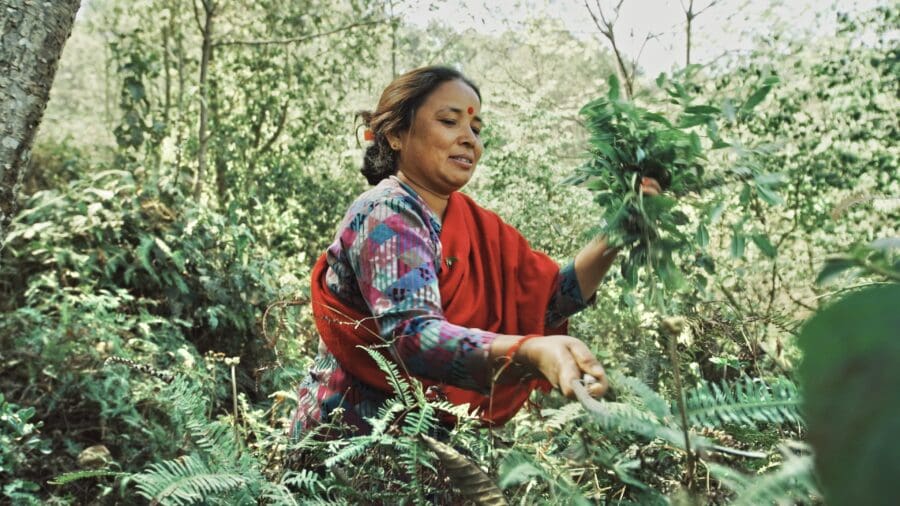
This statement by the Women in Global South Alliance (WiGSA) extends its congratulations to governments and donors for their renewed commitment to supporting the tenure rights of Indigenous Peoples, Afro-descendant Peoples, and local communities, as announced at COP30 in Brazil on November 6, 2025, and calls on funders to address the global gender funding gap.
As the world moves toward COP30 in Belém, Brazil, countries are in the process of updating their Nationally Determined Contributions (NDCs)—the key national plans that define climate goals, strategies, and financing needs under the Paris Agreement. In this crucial context, RRI released a two-phase study in September and October 2025, analyzing current NDCs of 25 countries across Latin America, Africa, and Asia.
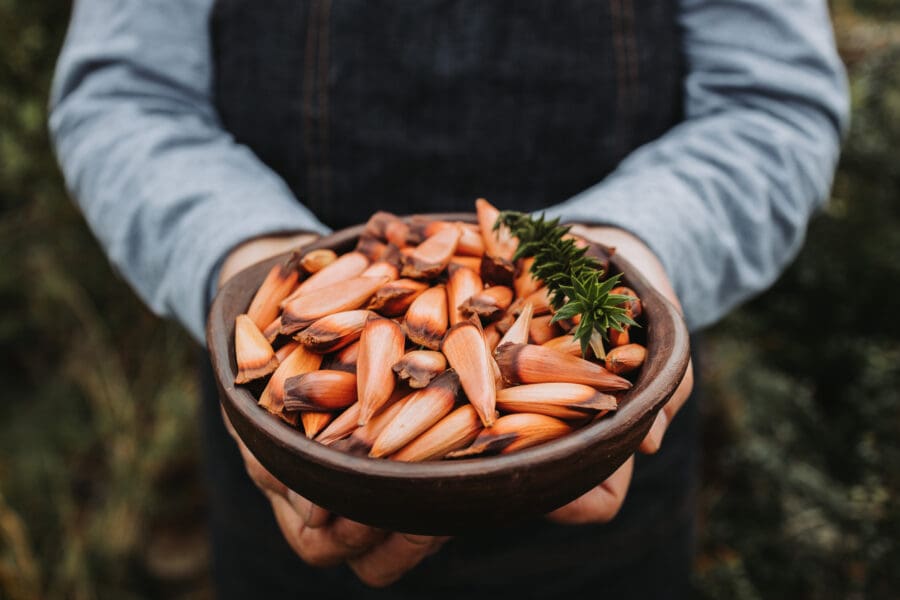
As global leaders prepare to gather in Belém, Brazil, this November for the 30th UN Climate Conference (COP30), the Rights and Resources Initiative (RRI) and its global partners are calling for the summit to serve as a turning point for Indigenous Peoples, Afro-descendant Peoples, and local communities who safeguard the world’s forests and biodiversity.

As the global community prepares for UNFCCC COP30, hosted for the first time in the Amazon region of Brazil, the Rights and Resources Initiative (RRI) and its coalition of over 200 partners, collaborators, and allies have been sending a clear and powerful message for months: Earth’s #DefendersLeadTheWay on climate action.
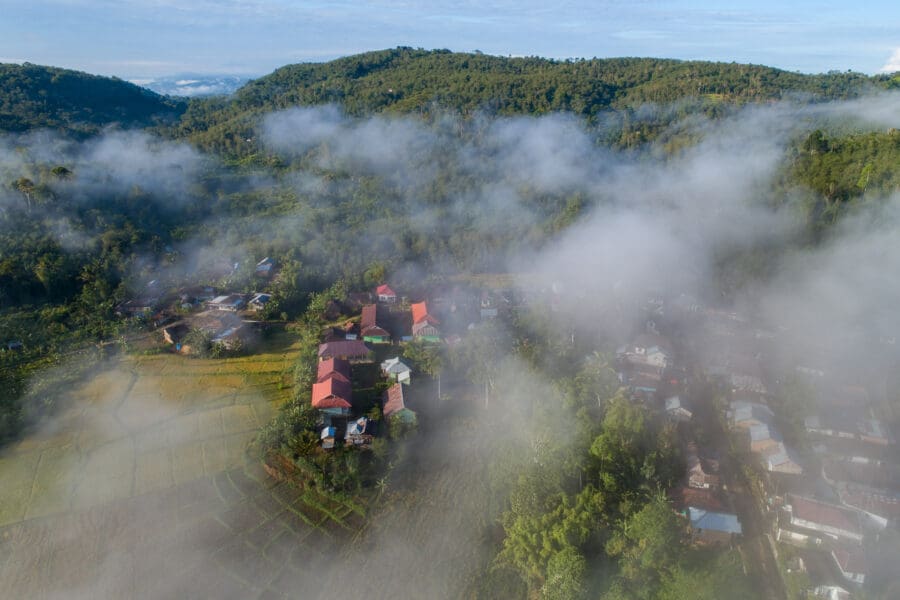
A new report by RRI, Forest Peoples Programme, and the ICCA Consortium assessing 30 high-biodiversity countries across Africa, Asia, and Latin America finds that while most countries have legal pathways to advance rights-based conservation, in practice, communities’ contributions to national conservation efforts continue to be inadequately recognized or supported.
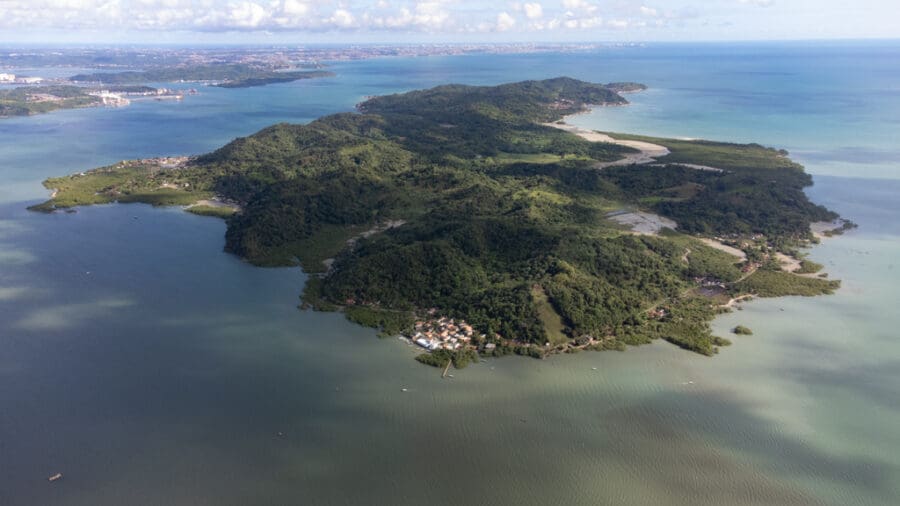
We declare that there is no solution to the climate crisis without the recognition and protection of our territorial rights. Here, we present our priority demands and urge the Brazilian Presidency of COP30 to present concrete results for the respect, recognition and protection of our territories.
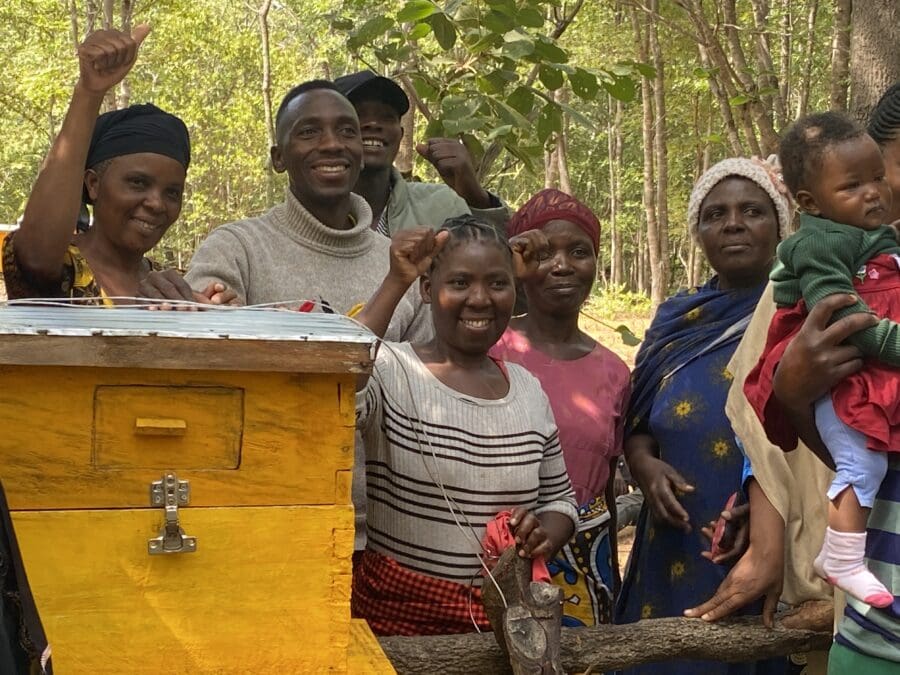
There are 13,318 villages in Tanzania, and of them, only 34% have a Village Land Use Plan (VLUP). A VLUP is a crucial prerequisite for obtaining a Certificate of Customary Right of Occupancy—the equivalent of securing land tenure. This can be especially important for women, who are often marginalized in land inheritance, lack access to credit services, and have little voice in disputes. Since 2021, the Ukijani project has helped issue more than 1,700 Certificates in villages throughout the country.
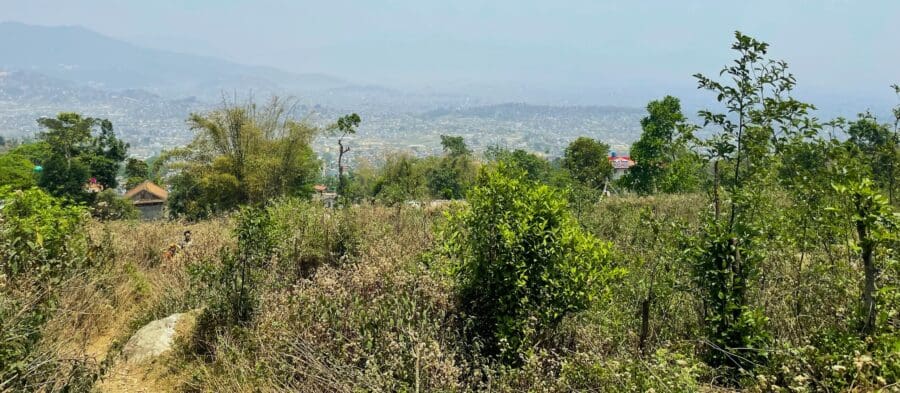
Community Forest User Groups play an important role in protecting the forests on Chandragiri Hill in Nepal, but they didn’t begin to make significant progress in this quest until the women of these communities were allowed to join.

As the fight for climate justice continues, acknowledging the connections between land, water, ecosystems, and human communities is critical for the realization of positive and lasting change.
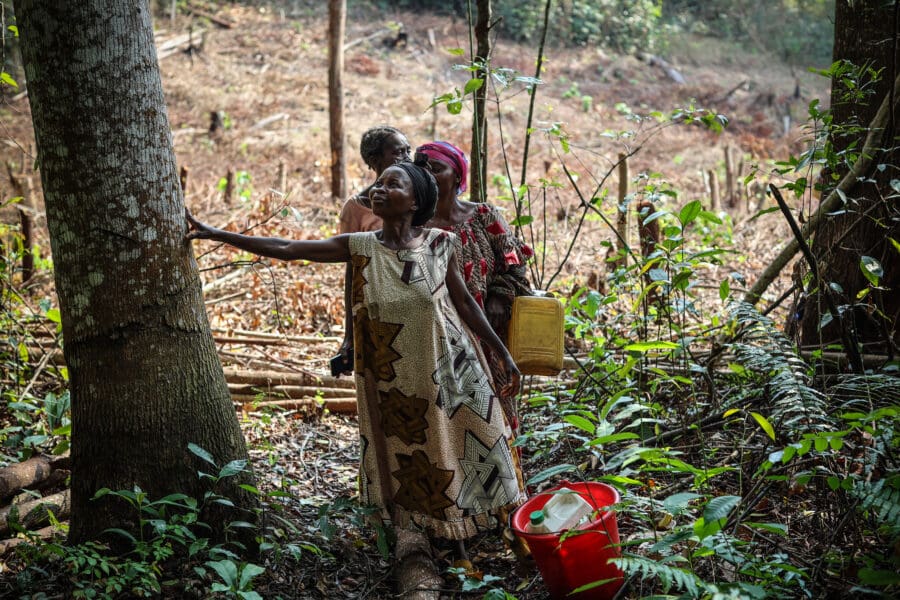
Building on the State of Funding report published in April 2024, this blog post shares important updates on finance for Indigenous Peoples', Afro-descendant Peoples', and local communities' tenure and forest guardianship and examples of how direct funding is already driving important progress in tropical forests and other key ecosystems.
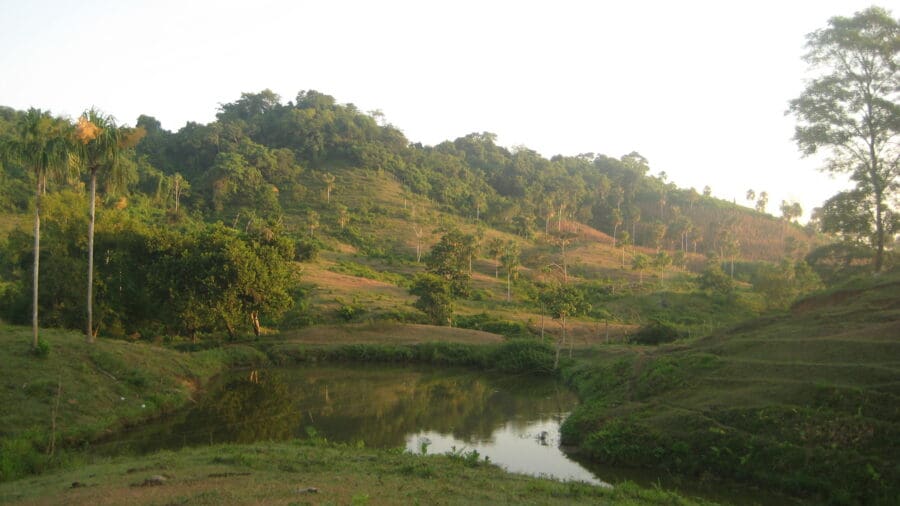
After decades of being omitted from the UN’s biodiversity convention, Afro-descendant Peoples in Latin America and the Caribbean got great news at the 16th Conference of the Parties to the UN Convention on Biological Diversity (CBD) recently held in Cali, Colombia.
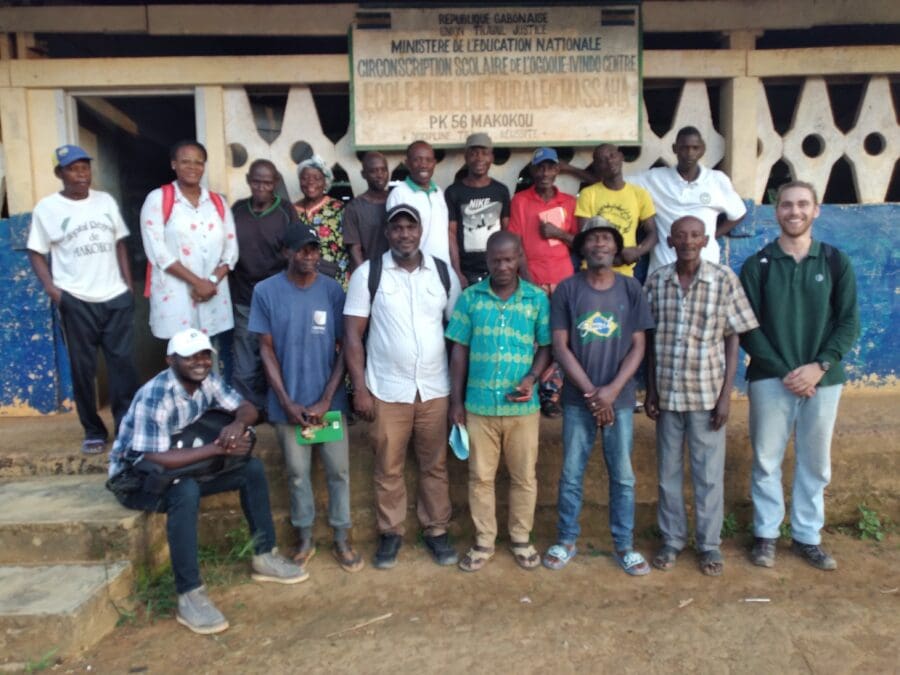
Gabon’s Massaha communities are documenting the rich biodiversity stored in their ancestral territories to demonstrate the transformative power of community-led conservation. Can they help one of the world’s most forested countries conserve 30% of its biodiversity by 2030?
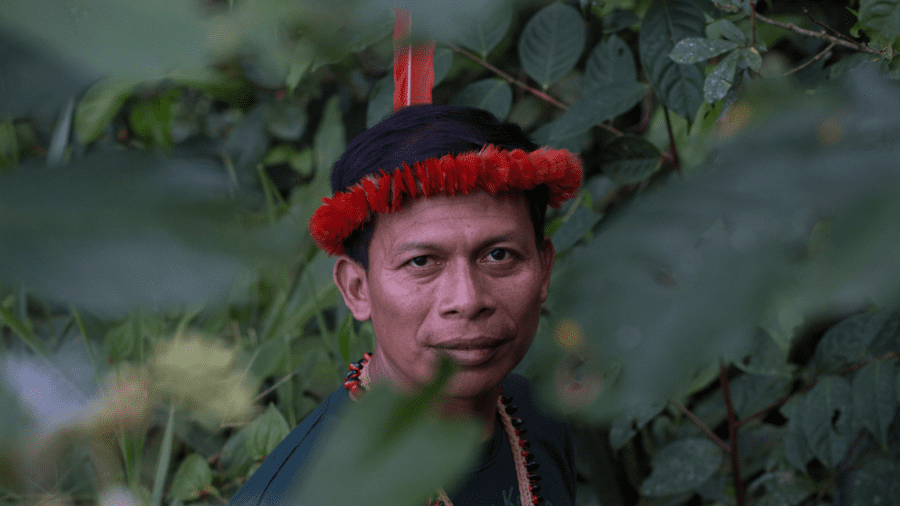
A report aims to influence the localization agenda and improve bilateral policies and practices to ensure that more direct, fit-for-purpose support reaches Indigenous Peoples, local communities, and Afro-descendant Peoples and their supporting organizations to secure tenure rights and conserve key ecosystems and biodiversity.
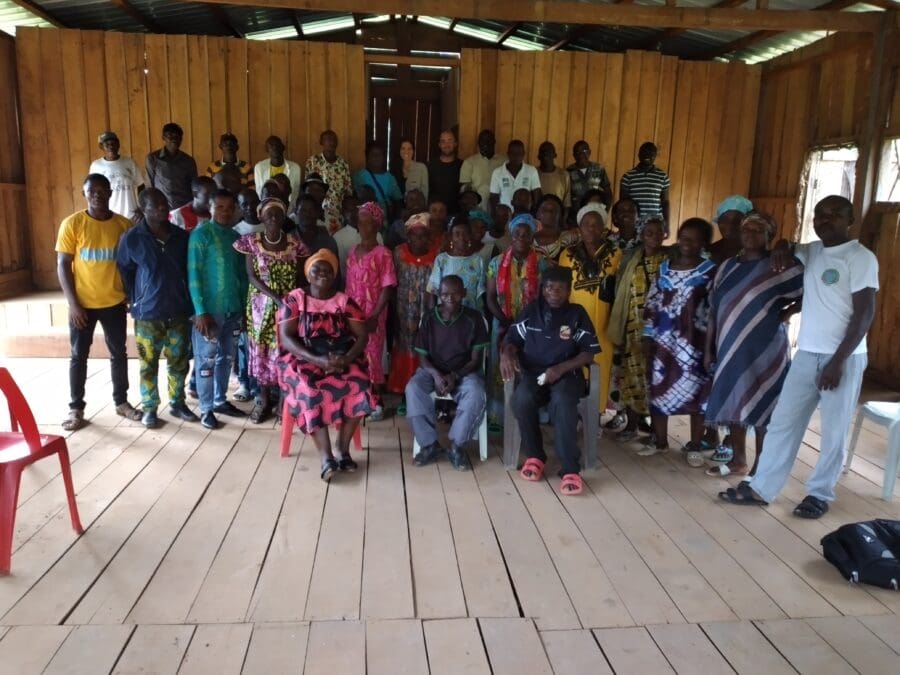
With financial support from the Bezos Earth Fund, RRI's coalition in the Congo Basin has undertaken concrete actions demonstrating alternatives to conservation approaches that exclude communities. In some places, the project's interventions have halted illegal logging, mining, and oil companies’ activities that threaten land and soil degradation as well as local livelihoods.
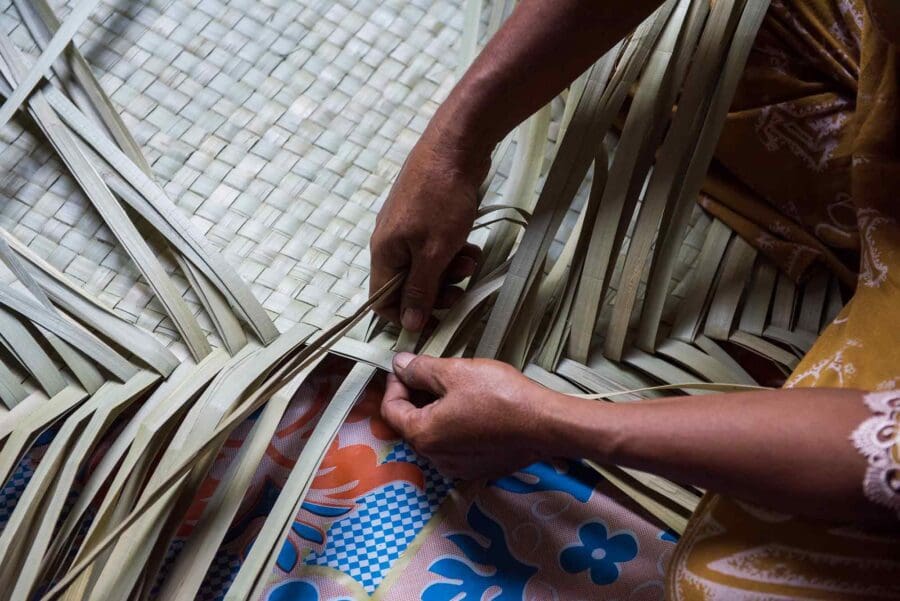
In this review, we provide a legal snapshot of some of the changes and developments that occurred in 2023. We delve into the shifts, pivotal moments, and groundbreaking strides that defined the year at the sub-national, national, regional, and international levels.
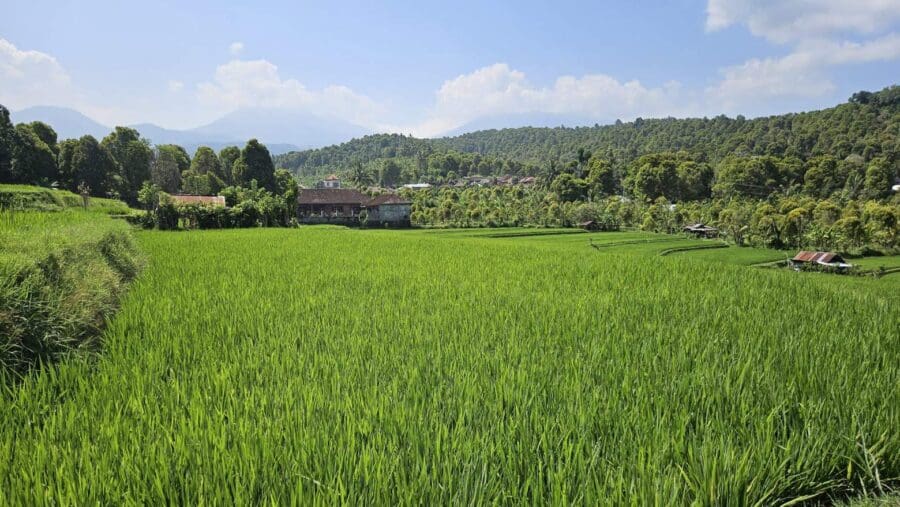
The Masyarakat Adat Dalem Tamblingan have lived in and around the Alas Mertajati Forest and Lake Tamblingan areas in Bali since at least the 9th century AD. Now, the community is fighting back and appealing to the government to legally recognize nearly 7,000 hectares of its customary territory.
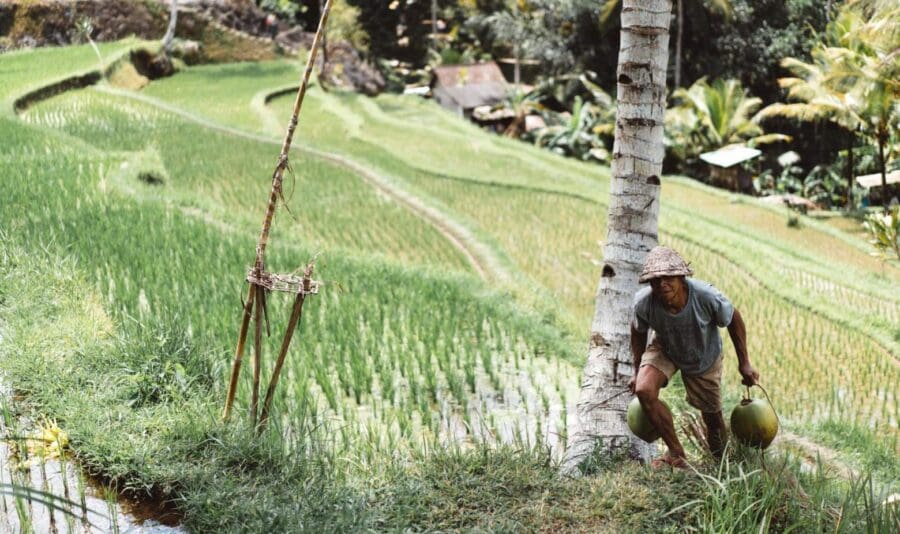
Rights and Resources Initiative and Rainforest Foundation Norway are thrilled to announce the launch of the Path to Scale dashboard, a new open-source online tool that gives easy access to donor funding data for Indigenous Peoples’, Afro-descendant Peoples’, and local communities’ tenure and forest guardianship.

The Rights and Resources Group’s Board of Directors has named as its newest members three global leaders in environmental, financial, and human rights advocacy: Emma Norrstad Tickner from Sweden; Emily Kinama from Kenya; and Peter “Mike” Bryan from the United States. They join Gam Shimray, an Indigenous Naga leader from Northeast India who joined in October 2023.

Co-authored with 15 organizations from across Asia—spanning youth groups, Indigenous networks, and ally organizations—this new report collates and brings to the fore the experiences and leadership of youth activists from across the continent into a call to action.