
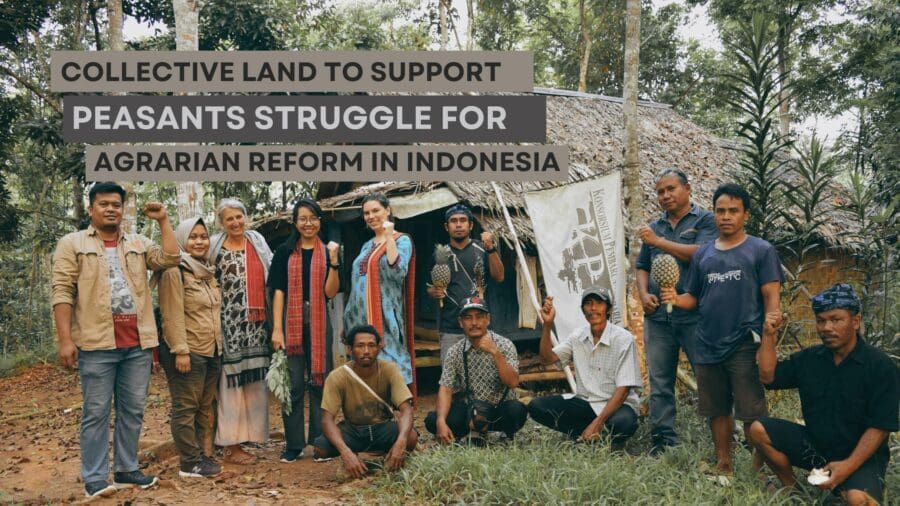
P2B, a peasants' organization based in Banten, Indonesia, is a leading actor in the local struggle for agrarian reform and collective land tenure rights.

At CoP26 in Glasgow, 22 donors made a historic commitment to contribute $1.7 billion to support Indigenous Peoples’ and local communities’ rights to their lands and forests. Almost one year later, questions abound over the Pledge’s disbursement, impact, and accessibility.

This July, an RRI delegation participated in the first-ever IUCN Africa Protected Areas Congress (APAC) in Rwanda and included Indigenous and community leaders from the Republic of Congo, the DRC, Liberia, Cameroon, and Kenya. APAC marked a crucial moment in shaping Africa’s conservation agenda and culminated in the Kigali Call to Action. This is our delegation’s response to this Call.

Rights and Resources Initiative (RRI) and the Chepkitale Indigenous Peoples' Development Project (CIPDP) organized a site visit to Chepkitale to learn from the Ogiek of Mt. Elgon and shine light on the transformative role of community-led conservation in protecting Kenya's biodiversity-rich forests.

Rights and Resources Initiative expresses its solidarity with the leaders of the Indigenous rights movement in Ecuador who are being criminalized for exercising their legitimate right to mobilize and defend their human rights.

Long-time RRI collaborator Social Entrepreneurs for Sustainable Development (SESDev) examines how Liberia’s Land Rights Law has impacted women’s land rights and livelihoods since 2018.
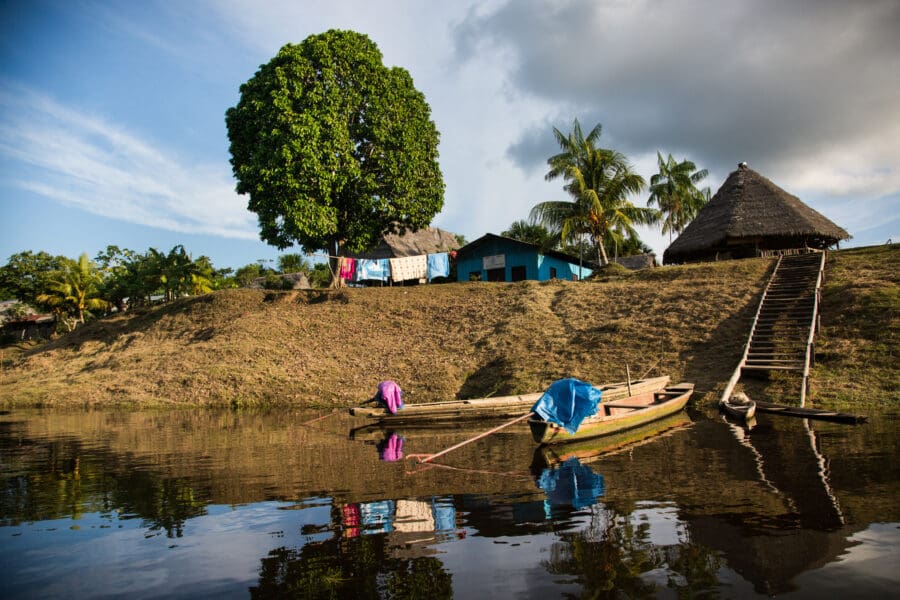
Global trade, consumption, population growth, and urbanization drive transformations that, in part, drive nature’s destruction. The World Economic Forum ranks biodiversity loss as a global top-five risk. Clearly, protecting the environment should be high on political and policy agendas—but too often environmental governance is weak and policy implementation neglected.
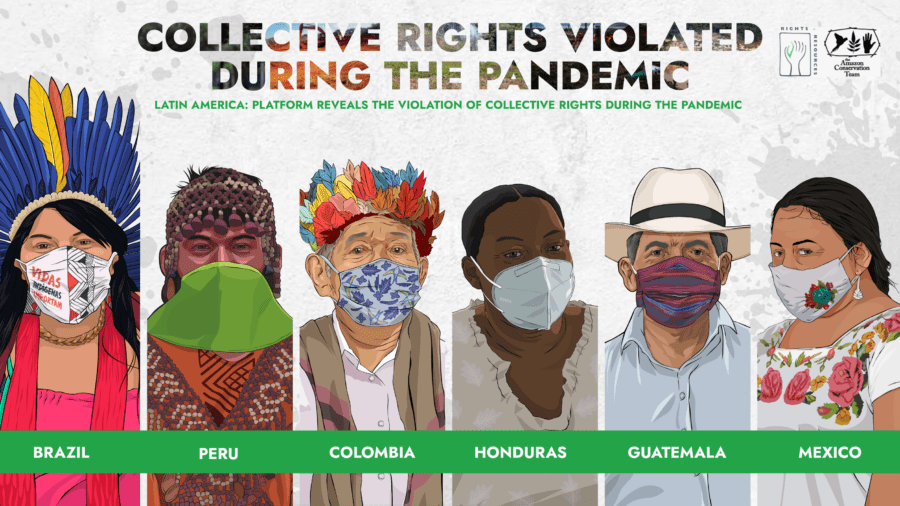
Over 1,900 Native communities impacted by extractive and infrastructure projects during the pandemic
Platform reveals the multidimensional impact of extractive and infrastructure projects in six Latin American countries during the first two years of the pandemic. Peru and Colombia are the countries with the most affected communities.

India is among the top ten countries most vulnerable to climate change. A new study finds that the Forest Rights Act is an effective tool to enable rights-based and gender-responsive approaches to climate action and can legally empower forest dwellers to manage and govern nearly 40 million hectares of the country's forests.