
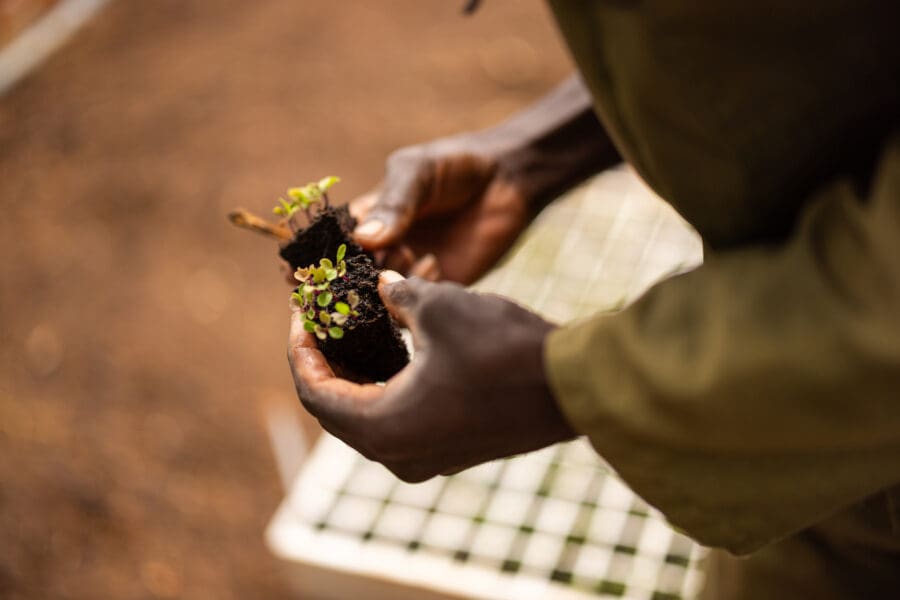
As the world moves toward COP30 in Belém, Brazil, countries are in the process of updating their Nationally Determined Contributions (NDCs)—the key national plans that define climate goals, strategies, and financing needs under the Paris Agreement. In this crucial context, RRI released a two-phase study in September and October 2025, analyzing current NDCs of 25 countries across Latin America, Africa, and Asia.
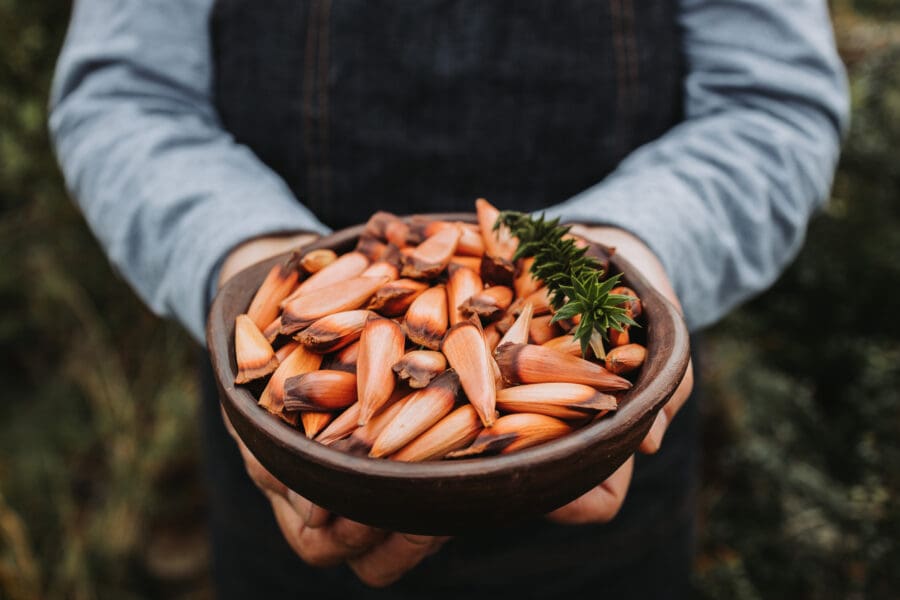
As global leaders prepare to gather in Belém, Brazil, this November for the 30th UN Climate Conference (COP30), the Rights and Resources Initiative (RRI) and its global partners are calling for the summit to serve as a turning point for Indigenous Peoples, Afro-descendant Peoples, and local communities who safeguard the world’s forests and biodiversity.

As the global community prepares for UNFCCC COP30, hosted for the first time in the Amazon region of Brazil, the Rights and Resources Initiative (RRI) and its coalition of over 200 partners, collaborators, and allies have been sending a clear and powerful message for months: Earth’s #DefendersLeadTheWay on climate action.
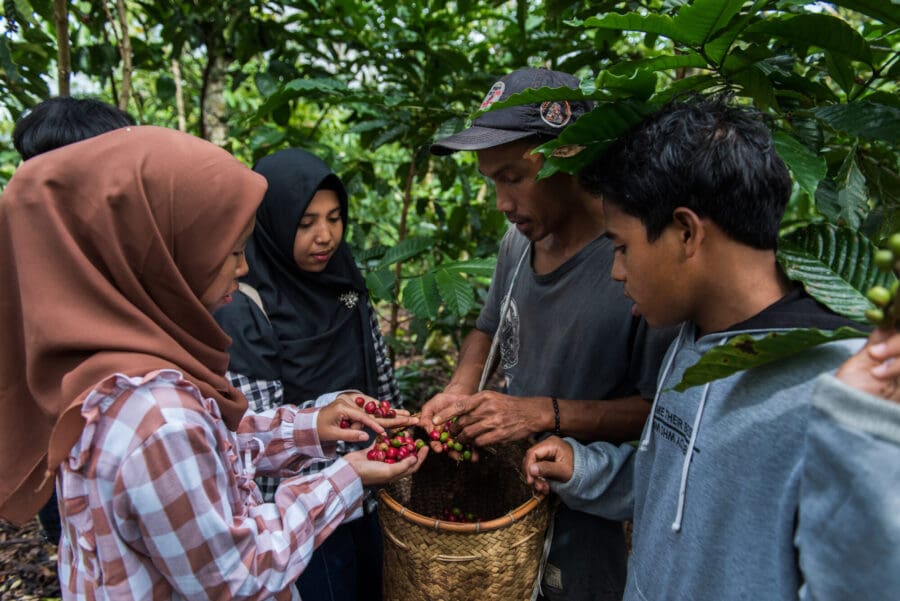
Novo relatório mostra progresso inconsistente em nível nacional em relação aos direitos de posse de terras para Povos Indígenas, Povos Afrodescendentes e comunidades locais
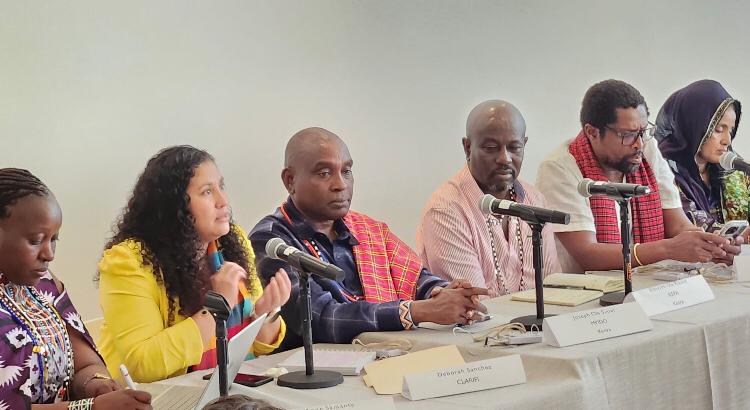
During Climate Week NYC 2025, RRI and partners amplified Indigenous, Afro-descendant, and local community voices—advancing rights-based climate action and equity ahead of COP30.
New report shows inconsistent domestic progress on tenure rights for Indigenous Peoples, Afro-descendant Peoples, and local communities
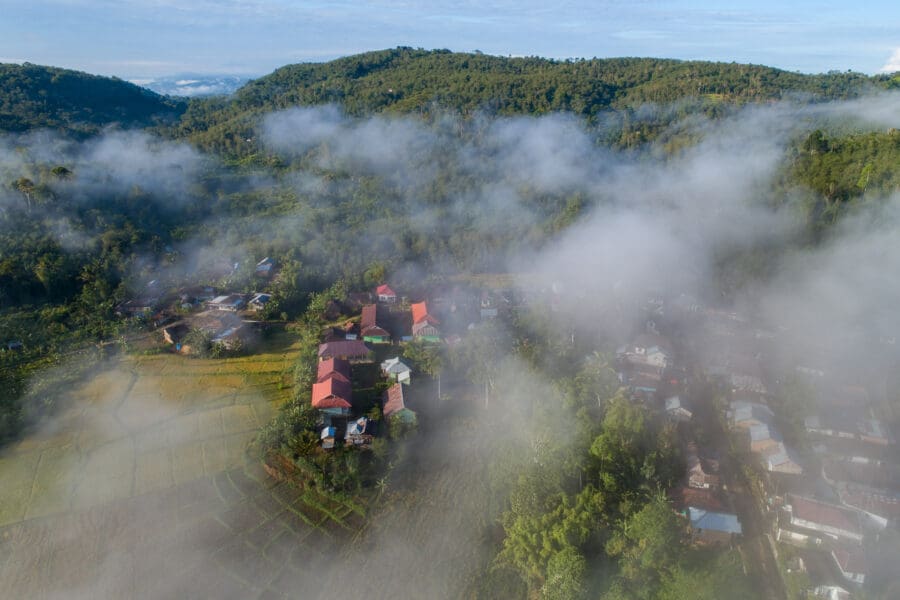
A new report by RRI, Forest Peoples Programme, and the ICCA Consortium assessing 30 high-biodiversity countries across Africa, Asia, and Latin America finds that while most countries have legal pathways to advance rights-based conservation, in practice, communities’ contributions to national conservation efforts continue to be inadequately recognized or supported.

RRI is seeking nominations for the Chair of the Board of Directors, who will guide its coalition of more than 200 partners, collaborators, and fellows in implementing its Fourth Strategic Program, which runs through 2027. We are looking for individuals committed to RRI's core issues: The land, resources, and collective rights of Indigenous Peoples, Afro-descendent Peoples, and local communities.
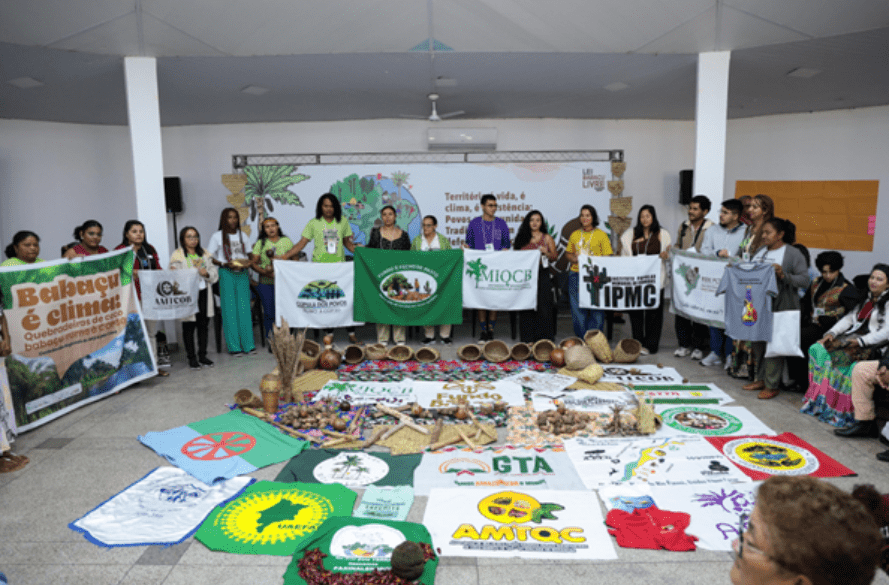
From July 8th to July 10th, Brasilia held an event called the Pre-COP of the Traditional Peoples and Communities of Brazil . This was a national preparatory meeting for COP30, the next UN climate change conference that will be held in Belém, Brazil, in November 2025.

Over 50 young leaders from Indigenous, Afro-descendant, and local communities across Asia, Africa, and Latin America will gather in Bali, Indonesia, for the first-ever Global Youth Forum.
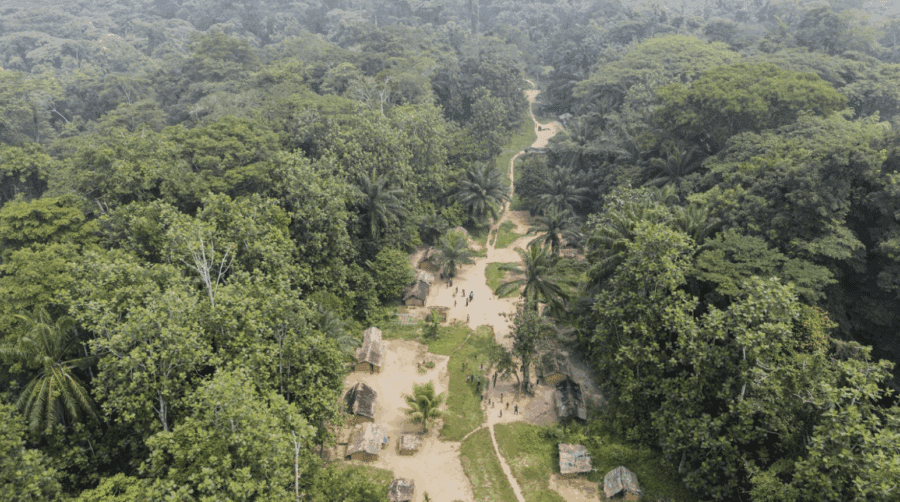
In July 2025, the President of the Democratic Republic of Congo (DRC) signed into law the country’s first-ever land-use planning legislation, marking a historic step toward community-centered land governance and sustainable development in one of the world’s most biodiverse countries.
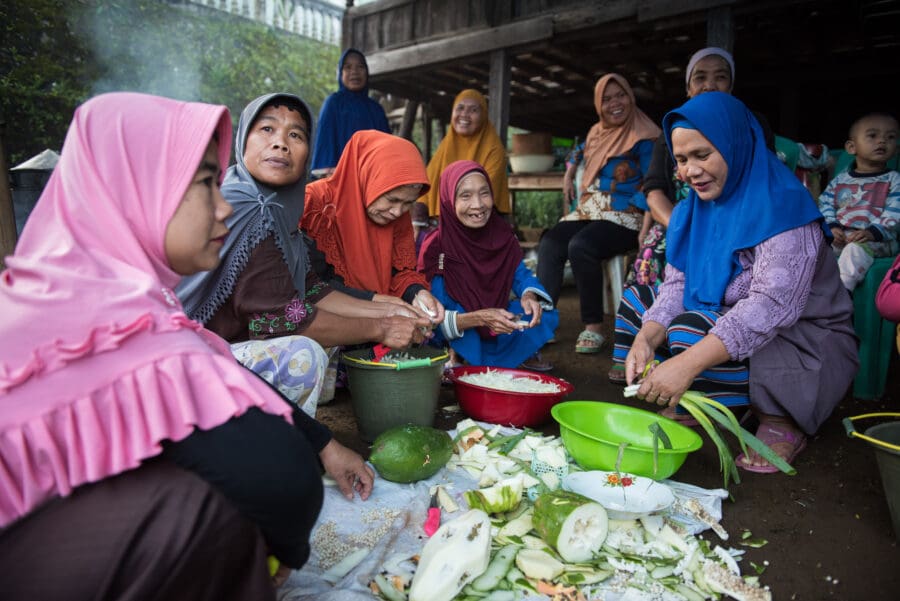
This new report highlights RRI's twenty years of impact on communities’ collective land and resource rights and outlines the path forward to secure their future worldwide.
Dalam perayaan ulang tahun ke-20 di Kathmandu, Rights and Resources Initiative (RRI) mengumumkan para pemenang Penghargaan Aksi Kolektif perdana. Penghargaan ini diberikan sebagai bentuk penghormatan kepada Masyarakat Adat, Masyarakat Keturunan Afrika, dan komunitas lokal dari Afrika, Asia, dan Amerika Latin atas kepemimpinan mereka dalam memperjuangkan hak kolektif atas tanah, hutan, dan sumber daya.
Durante a celebração de seu 20º aniversário em Katmandu, a Rights and Resources Initiative (RRI) anunciou os vencedores de seu primeiro Prêmio de Ação Coletiva, que reconhece povos indígenas, comunidades afrodescendentes e populações locais da África, Ásia e América Latina por sua liderança na defesa de seus direitos coletivos à terra, às florestas e aos recursos naturais.
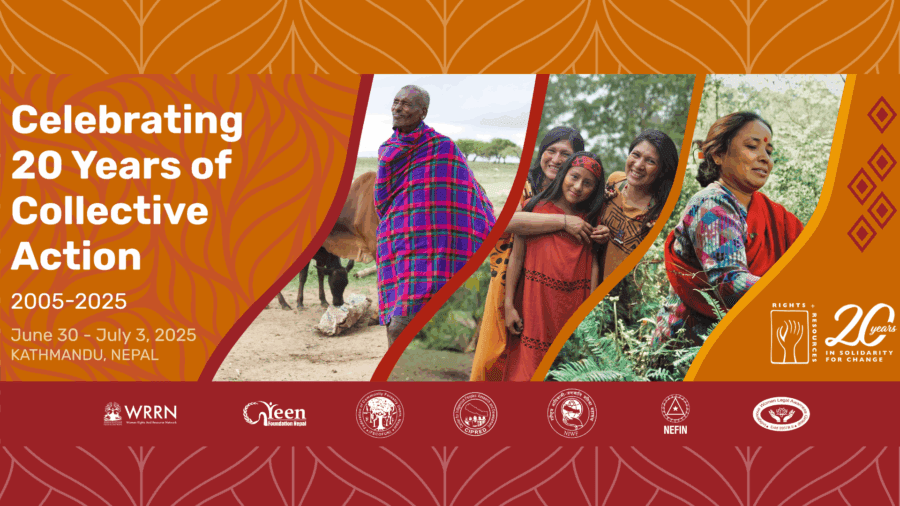
At its 20th anniversary celebration in Kathmandu, the Rights and Resources Initiative (RRI) announced the winners of its inaugural Collective Action Awards. The awards honor Indigenous Peoples, Afro-descendant Peoples, and local communities from Africa, Asia, and Latin America for their leadership in defending their collective land, forest, and resource rights.
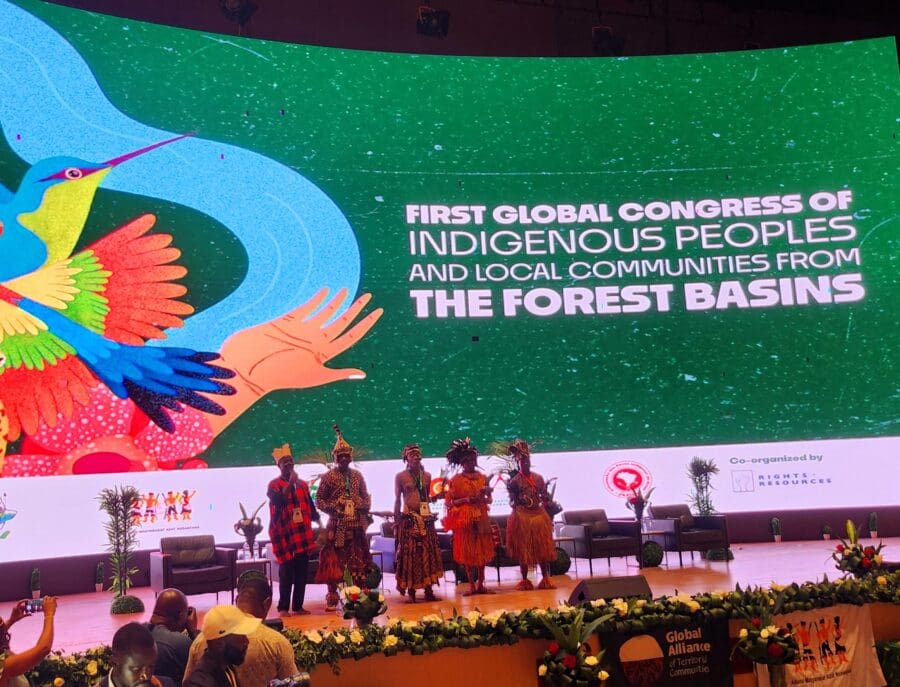
Hundreds of Indigenous and local community representatives from the world’s largest tropical forest basins held a historic convening on May 26–30, 2025, with government representatives, international development institutions, and donors to present their demands ahead of the next UN Climate Conference in Brazil (COP30).

As South Sudan’s Parliament prepares to reconvene in the coming days, the South Sudan Land Alliance, a coalition of civil society organizations and land rights advocates, is calling on the Transitional National Legislative Assembly to prioritize the passage of the National Land Policy.

The First Global Congress of Indigenous Peoples and Local Communities from the Forest Basins brings together forest guardians from the Amazon, Congo, Borneo-Mekong-Southeast Asia, and Mesoamerica. These territories, long safeguarded by Indigenous Peoples and local communities, are essential to the Earth’s biodiversity and carbon balance—providing powerful solutions to the climate crisis.
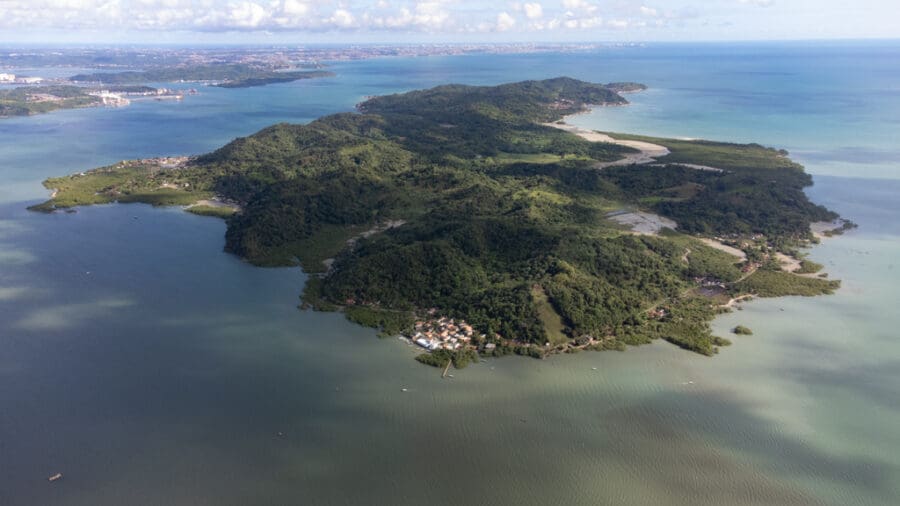
We declare that there is no solution to the climate crisis without the recognition and protection of our territorial rights. Here, we present our priority demands and urge the Brazilian Presidency of COP30 to present concrete results for the respect, recognition and protection of our territories.
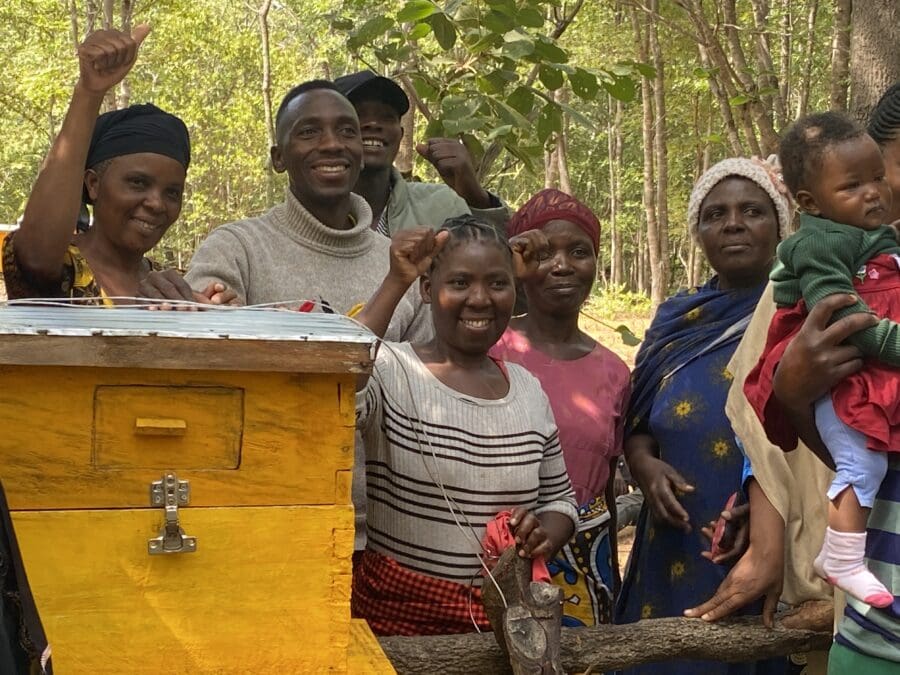
There are 13,318 villages in Tanzania, and of them, only 34% have a Village Land Use Plan (VLUP). A VLUP is a crucial prerequisite for obtaining a Certificate of Customary Right of Occupancy—the equivalent of securing land tenure. This can be especially important for women, who are often marginalized in land inheritance, lack access to credit services, and have little voice in disputes. Since 2021, the Ukijani project has helped issue more than 1,700 Certificates in villages throughout the country.
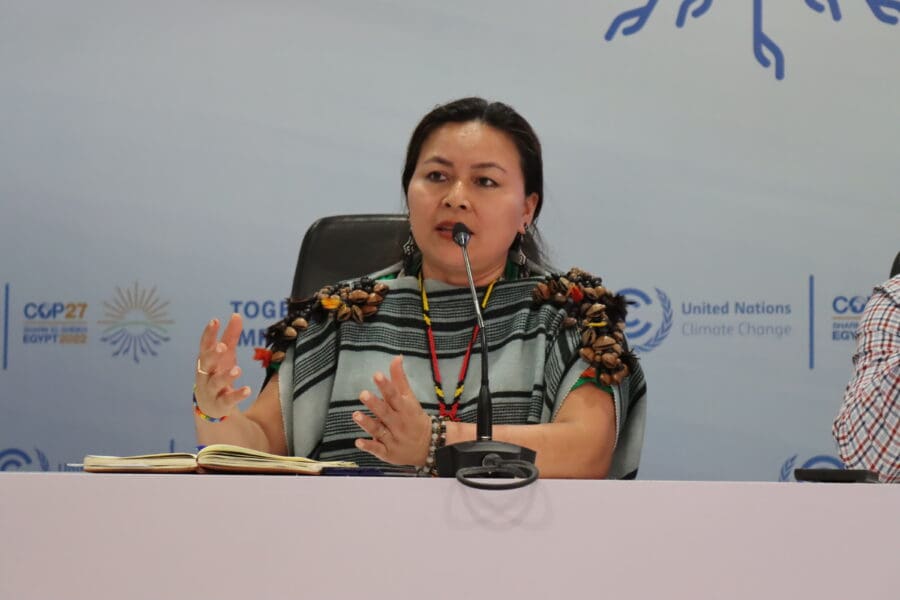
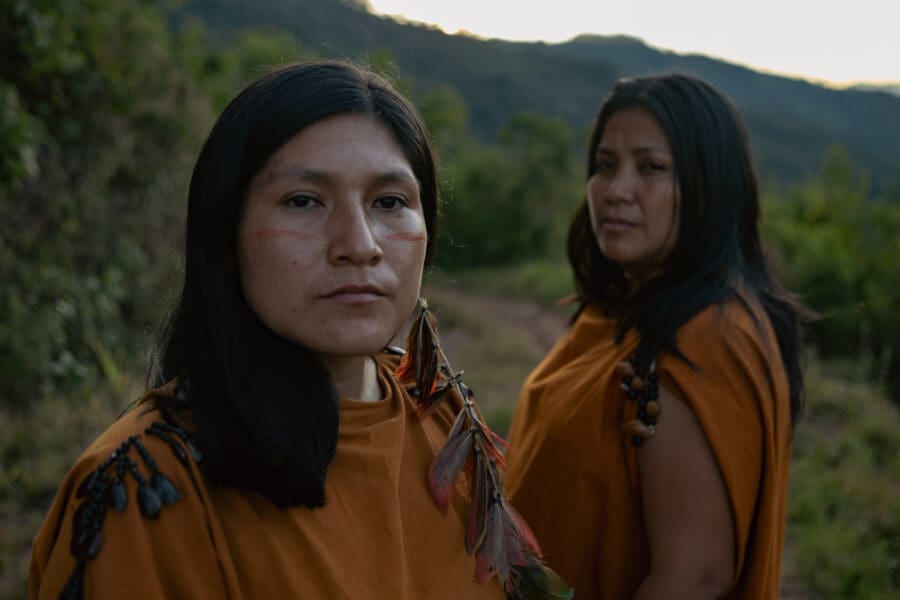
The secretary of the Board of Directors of the Interethnic Association for the Development of the Peruvian Jungle (AIDESEP) shares the challenges she had to overcome to become an Indigenous woman leader.
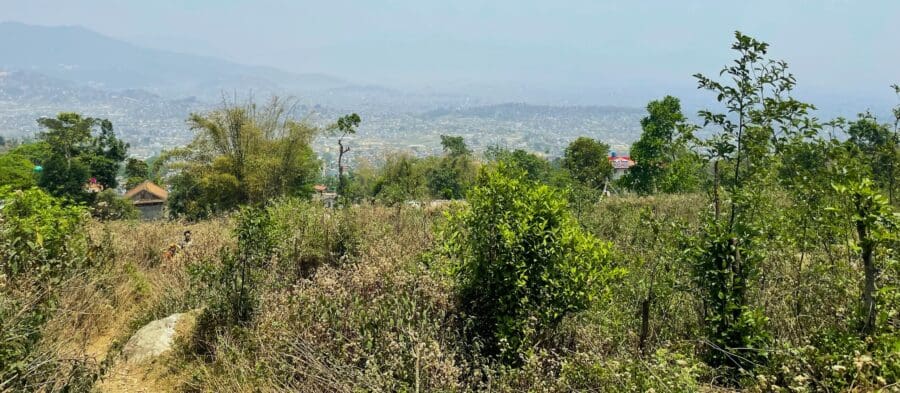
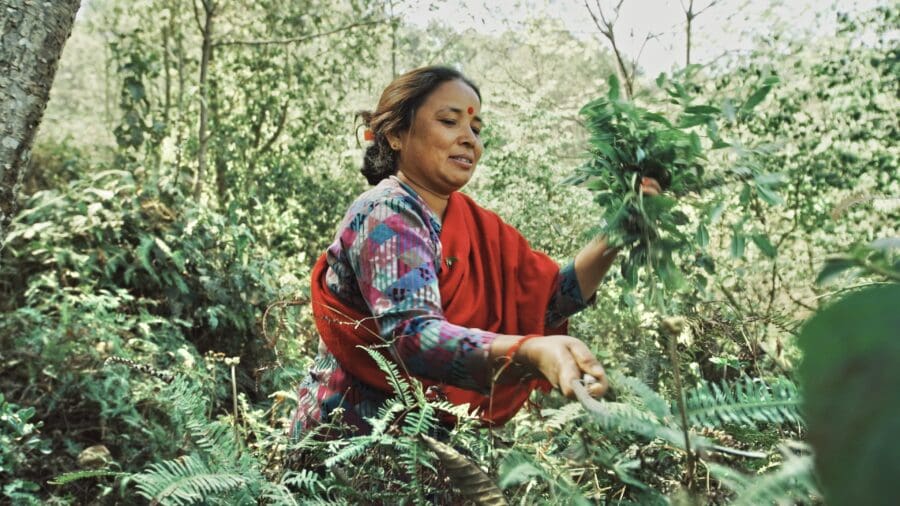
Community Forest User Groups play an important role in protecting the forests on Chandragiri Hill in Nepal, but they didn’t begin to make significant progress in this quest until the women of these communities were allowed to join.
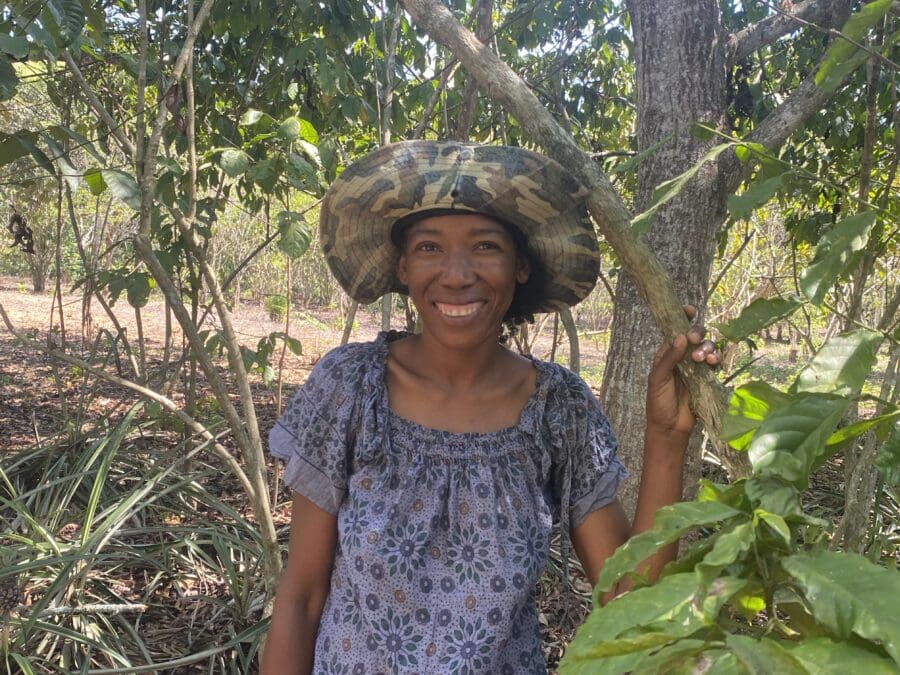
With population growth in Madagascar, land is in ever shorter supply and conflicts over land ownership are multiplying. We must build greater community recognition of women’s important role in society—not as competitors to men, but as people working together towards a common goal of better livelihoods and sustainable land management.
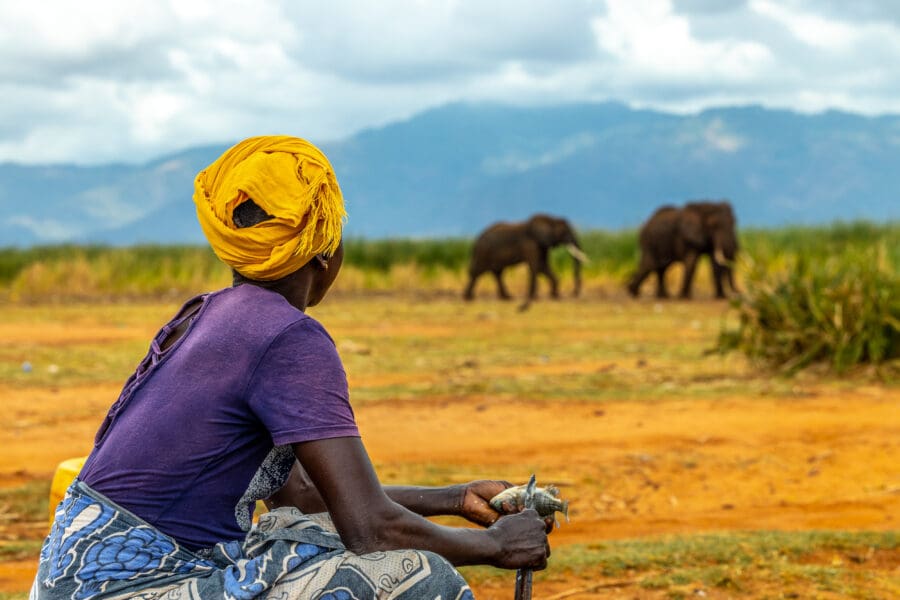
Decades after the world adopted what continues to be the most comprehensive roadmap for women’s rights, RRI’s latest report highlights enduring challenges in securing the rights of Indigenous, Afro-descendant, and local community women.